Bid and Ask: Understanding Market Spreads
Master bid-ask spreads: Essential knowledge for traders and investors.
The bid and ask prices represent two fundamental concepts in financial markets that every investor and trader must understand. These prices form the foundation of how securities are bought and sold in markets worldwide. Whether you’re trading stocks, bonds, forex, or other financial instruments, the relationship between bid and ask prices directly affects your profitability and trading efficiency.
What Are Bid and Ask Prices?
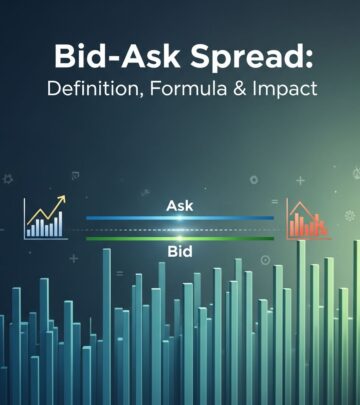
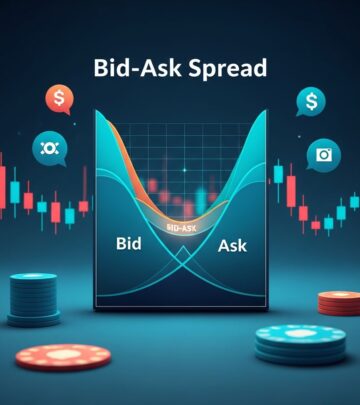
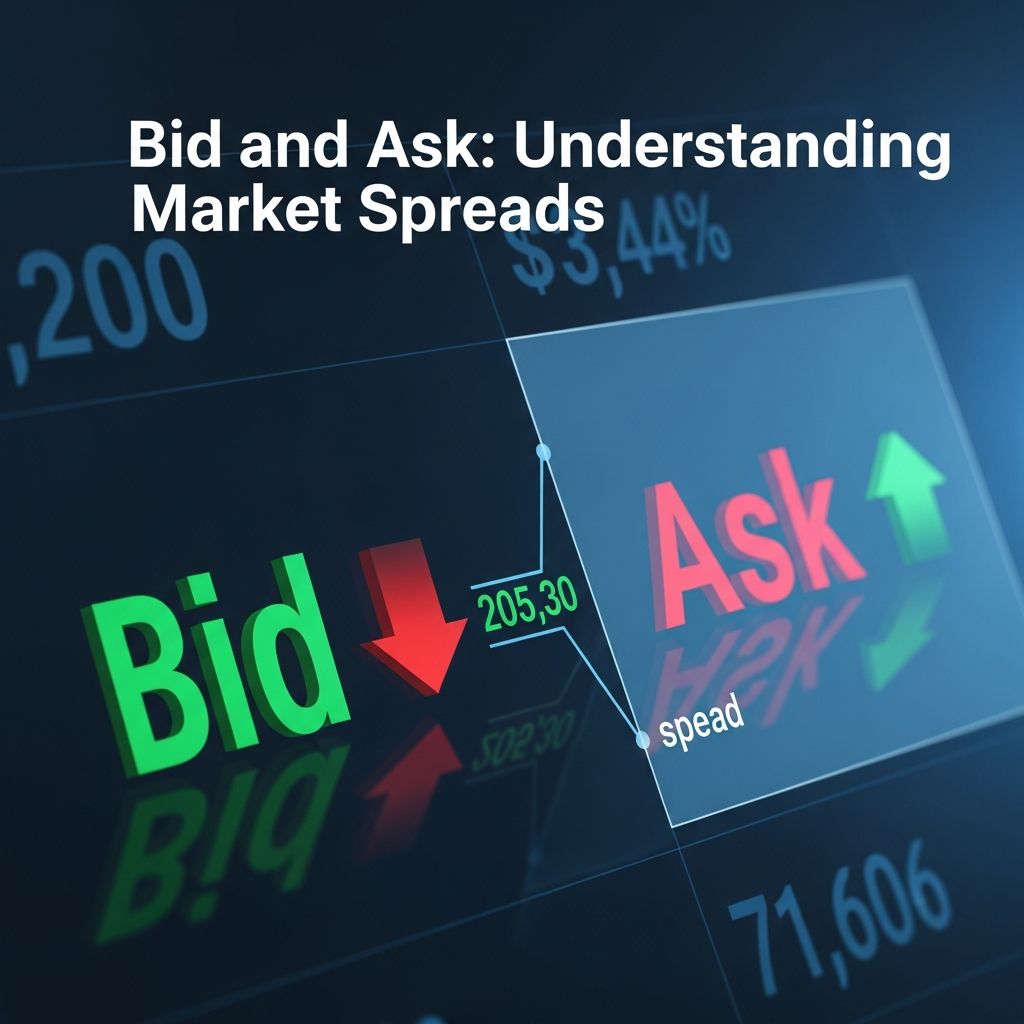
The bid price is the highest price that a buyer is willing to pay for a security at any given moment. Conversely, the ask price (also called the offer price) is the lowest price at which a seller is willing to sell that same security. Together, these two prices create what’s known as a quote, and the difference between them is called the bid-ask spread.
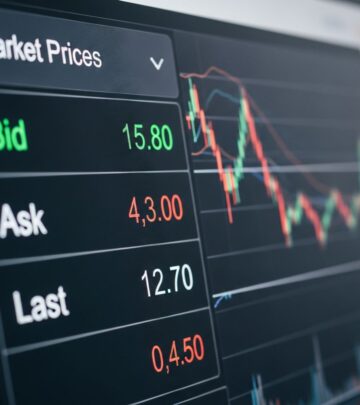
For example, if you see a stock quoted as “Bid: $50.00, Ask: $50.10,” this means buyers are willing to pay a maximum of $50.00 per share, while sellers want a minimum of $50.10 per share. If you want to buy immediately, you’d pay the ask price of $50.10. If you want to sell immediately, you’d receive the bid price of $50.00.
The Basic Mechanics
Understanding the mechanics of bid and ask prices is crucial for successful trading. When you place a market order to buy a stock, you’ll typically execute at the ask price. When you place a market order to sell, you’ll typically execute at the bid price. This is how market makers and liquidity providers profit—they buy at the bid and sell at the ask, capturing the spread as their compensation.
The Bid-Ask Spread Explained
The bid-ask spread represents the difference between the bid and ask prices. This spread is one of the most important costs in trading, often overlooked by novice investors. In our previous example with a bid of $50.00 and an ask of $50.10, the spread is $0.10, or 0.20% of the ask price.
Why Spreads Matter
- Transaction Costs: Every time you buy and sell, you incur the cost of the spread. Over numerous trades, these costs accumulate significantly.
- Market Liquidity: Tighter spreads typically indicate more liquid markets with more active buyers and sellers.
- Price Discovery: Spreads reflect the market’s uncertainty about the true value of a security.
- Trading Profitability: For frequent traders, minimizing spreads directly impacts bottom-line returns.
Factors Affecting Bid-Ask Spreads
Bid-ask spreads are not static; they fluctuate based on various market conditions and security characteristics. Understanding what drives these spreads can help traders anticipate and minimize their trading costs.
Market Liquidity
Liquidity is the primary determinant of spread size. Highly liquid securities like major stock market indices or the most-traded currency pairs typically have very tight spreads. For instance, the EUR/USD currency pair might have a spread of just 0.1 pips. Conversely, less liquid or smaller-cap stocks might have spreads of several dollars or wider percentages. When fewer traders are active in a market, market makers demand wider spreads to compensate for their increased risk.
Volatility
Market volatility significantly impacts spreads. During periods of high volatility, such as market crashes or major economic announcements, spreads widen considerably. Market makers become more cautious when prices are rapidly changing, as they face increased risk of adverse price movements. During calm market periods, spreads typically tighten as confidence in pricing increases.
Trading Volume
Securities with high trading volumes generally have tighter spreads. Popular stocks like Apple or Microsoft see millions of shares traded daily, resulting in narrow spreads. In contrast, penny stocks or thinly traded securities have much wider spreads due to limited trading activity and demand.
Security Type
Different types of securities have different typical spreads. Blue-chip stocks have tight spreads, while bonds, particularly corporate bonds, often have wider spreads. Options and futures have varying spreads depending on their underlying assets and contracts’ liquidity.
Time of Day
Spreads often vary throughout the trading day. During market opening and closing hours, spreads tend to widen as volatility increases. During the middle of the trading day, when more market participants are active, spreads typically tighten. In forex markets, spreads widen during low-volume periods and tighten when major trading centers are active.
Bid-Ask Spread in Different Markets
Different financial markets exhibit varying bid-ask characteristics based on their structure, participants, and trading conventions.
Stock Markets
In equity markets, spreads vary dramatically based on share price and trading volume. Large-cap stocks might trade with spreads of just a penny or two. Small-cap stocks can have spreads of several dollars. Market makers in stock exchanges use automated systems to continuously update bid and ask prices based on real-time demand and supply.
Foreign Exchange Markets
The forex market is the largest and most liquid financial market globally. Major currency pairs like EUR/USD typically trade with spreads measured in fractions of a pip (0.0001 of the exchange rate). Exotic currency pairs have much wider spreads reflecting lower trading volumes and higher risk.
Bond Markets
Government bonds often have relatively tight spreads, while corporate bonds typically exhibit wider spreads. The bond market is less centralized than stock markets, with much trading occurring over-the-counter, which can result in higher spreads and less transparent pricing.
Options and Futures Markets
Options and futures markets have spreads that depend heavily on the underlying asset’s liquidity and the contract’s distance from expiration. Contracts expiring soon and those tied to highly liquid underlying assets have tighter spreads.
How Bid-Ask Spreads Impact Trading Strategy
Successful traders factor bid-ask spreads into their trading strategies. Understanding and minimizing spread costs can significantly improve long-term trading results.
Day Trading vs. Long-Term Investing
Day traders execute numerous trades within short timeframes, making spread minimization critical. They typically focus on highly liquid securities with tight spreads. Long-term investors make fewer trades and can afford slightly wider spreads, allowing them more flexibility in security selection.
Limit Orders vs. Market Orders
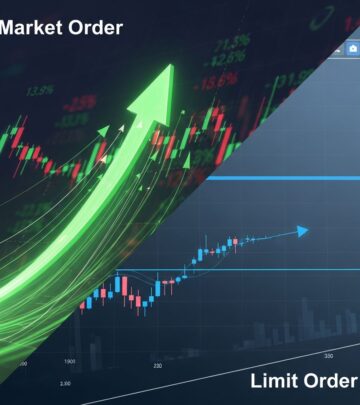
Market orders execute immediately at the current ask (for buys) or bid (for sells) price, guaranteeing execution but capturing the full spread cost. Limit orders allow you to specify a price, potentially avoiding the spread but risking non-execution if the market never reaches your specified price. Strategic traders often use a mix of both order types.
Timing and Market Conditions
Experienced traders adjust their activity based on spread conditions. Trading during peak market hours when spreads are tightest can reduce costs. Avoiding trading during news announcements or market instability when spreads widen can also improve performance.
Real-World Examples of Bid-Ask Spreads
Example 1: Blue-Chip Stock
Consider Apple Inc. (AAPL) trading at: Bid $175.50, Ask $175.51. The spread is just $0.01, or 0.006%. This tight spread reflects Apple’s position as one of the most actively traded stocks globally, with billions of shares traded daily.
Example 2: Small-Cap Stock
A smaller company might trade with: Bid $12.00, Ask $12.25. The spread is $0.25, or 2.08% of the ask price. This wider spread reflects lower trading volume and increased market maker risk. An investor buying and selling this stock would immediately lose over 2% to the spread alone.
Example 3: Currency Pair
EUR/USD might quote as: Bid 1.0950, Ask 1.0951. Expressed in pips, the spread is 1 pip—extremely tight for the world’s most-traded currency pair. This reflects massive liquidity in the forex market.
Minimizing Bid-Ask Spread Costs
Traders can employ several strategies to reduce the impact of bid-ask spreads on their portfolio performance:
- Trade Liquid Securities: Focus on highly liquid assets with naturally tight spreads.
- Use Limit Orders: Place orders at or near the bid when selling, and at or near the ask when buying, though accept some execution risk.
- Avoid Peak Volatility: Avoid trading during high-volatility periods when spreads widen dramatically.
- Choose Trading Hours Wisely: Trade during peak market hours when liquidity is highest and spreads are tightest.
- Negotiate with Brokers: Institutional traders can often negotiate tighter spreads with brokers handling large volumes.
- Consider Market Makers: Some brokers offer tight spreads during specific hours or for specific securities.
Frequently Asked Questions
Q: Why do bid and ask prices always differ?
A: Bid and ask prices differ because market makers and traders need compensation for providing liquidity. The spread represents the difference in value between the certainty of an immediate sale versus an immediate purchase, plus compensation for market risk and operational costs.
Q: Can bid-ask spreads be negative?
A: In normal circumstances, no. Bid prices cannot exceed ask prices. If they do (called an inverted spread), it typically indicates a data error or occurs only in rare market dislocations during extreme volatility.
Q: How do I find the bid-ask spread for a security?
A: Most brokerage platforms display bid and ask prices in real-time quotes. The spread is simply the ask price minus the bid price. Many financial websites and trading platforms show these prices for active securities.
Q: Are wider spreads always bad for traders?
A: While wider spreads increase trading costs, they sometimes indicate lower-risk opportunities during volatile markets. However, for most traders, tighter spreads on liquid securities are preferable for minimizing transaction costs.
Q: How do high-frequency trading firms profit from bid-ask spreads?
A: High-frequency traders execute millions of trades daily, capturing small fractions of the bid-ask spread on each trade. Their profitability comes from volume and speed, not from large spreads on individual trades.
References
- Trading and Exchanges: Market Microstructure for Practitioners — Harris, Lawrence. Oxford University Press. 2002. https://global.oup.com/academic/product/trading-and-exchanges-9780195144703
- SEC Office of Investor Education and Advocacy — U.S. Securities and Exchange Commission. Updated 2024. https://www.sec.gov/investor
- The Microstructure of Financial Markets — O’Hara, Maureen. Blackwell Publishers. 1995. https://www.wiley.com/
- Liquidity and Financial Market Stability — Bank for International Settlements. 2023. https://www.bis.org/
- FINRA: How Stock Prices Are Determined — Financial Industry Regulatory Authority. 2024. https://www.finra.org/investors
Similar Articles








Read full bio of medha deb