Bid, Ask, and Last Market Prices in Trading
Master the key market prices: bid, ask, and last. Learn how they work and why they matter.
Understanding Bid, Ask, and Last Market Prices
When you engage in trading or investing, understanding the key price quotations in the marketplace is essential to making informed decisions. Three fundamental price metrics dominate market discussions: the bid price, the ask price, and the last price. While these terms may sound simple on the surface, they represent critical components of market dynamics and directly impact your trading costs, execution strategy, and overall investment returns. Whether you’re a beginner taking your first steps into the market or an experienced trader refining your approach, comprehending these prices and their relationships to one another is vital.
The bid, ask, and last prices form the foundation of market transparency. They reveal what buyers are willing to pay, what sellers are demanding, and what prices have actually transpired in recent trades. Each of these metrics tells a different story about market sentiment, liquidity, and opportunity. By learning to read and interpret these signals, you gain insight into the true state of any security at any given moment.
The Bid Price Explained
The bid price represents the highest price that a buyer is currently willing to pay for a security. This is the maximum amount someone in the market has offered to spend on shares of stock or another asset. When you look at a stock quote, the bid price is the price at which you can sell your shares immediately if you choose to do so.
Think of the bid price as an expression of demand. It reflects what the most aggressive buyer in the market is willing to commit to at this exact moment. If you own shares and want to exit your position quickly, you would receive the bid price (or potentially better, but typically the bid). The bid price fluctuates constantly as market conditions change, new information emerges, and investor sentiment shifts.
The bid price is not arbitrary. It emerges from the collective actions of thousands or millions of market participants placing buy orders at various price levels. Market makers, institutional investors, and retail traders all contribute to establishing the bid price through their trading activity and order placement strategies.
The Ask Price Defined
The ask price, also known as the offer price, represents the lowest price at which a seller is currently willing to sell a security. This is the minimum amount someone in the market is asking to receive for their shares. When you look at a stock quote, the ask price is the price you must pay if you want to buy shares immediately at market rates.
The ask price reflects supply in the market. It shows what the most motivated seller is willing to accept at this particular moment. If you want to purchase shares and execute a trade immediately, you would pay the ask price (or potentially pay less through limit orders, but typically you pay the ask). Like the bid price, the ask price changes continuously as the market evolves.
The ask price, similar to the bid price, emerges from actual market participants. When traders and investors place sell orders at various price levels, they collectively establish the ask price. Market makers play a particularly important role in determining ask prices, as they continuously stand ready to buy and sell, helping to ensure that prices are available at all times.
The Last Price: What It Means
The last price, often called the closing price or most recent trade price, represents the price at which the most recent trade was executed. This is a historical price—it shows where a transaction actually occurred in the past, rather than where transactions could occur right now. When you check a stock’s price during market hours, the number you see often refers to the last price.
The last price provides valuable context about recent trading activity and market momentum. If a stock’s last price is significantly higher than it was an hour ago, it signals that buying pressure has been strong. Conversely, if the last price has declined, it indicates selling pressure. However, the last price has a critical limitation: it doesn’t necessarily reflect the prices at which you can currently buy or sell.
A crucial distinction exists between the last price and the current market price. The last price is fixed—it already happened. The current market price, on the other hand, is represented by the bid and ask prices, which change constantly as new market participants enter and exit the market. This distinction is often overlooked by beginning investors, leading to surprise when their transactions execute at prices different from the last price they observed.
The Bid-Ask Spread: The Heart of Market Dynamics
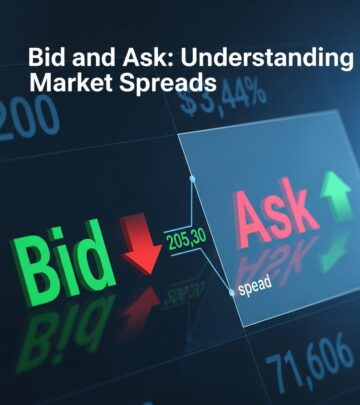
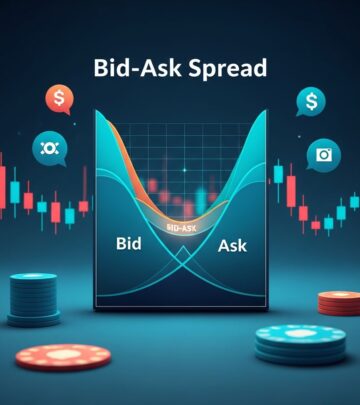
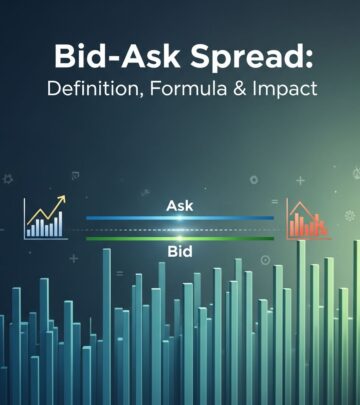
The bid-ask spread is the difference between the ask price and the bid price. If the bid is $50 and the ask is $50.20, the spread is $0.20. This seemingly small number carries enormous significance in trading and investing. The spread represents the cost of immediacy—the price you pay for being able to trade right now rather than waiting for a better price.
Market makers profit from the bid-ask spread. When a market maker buys at the bid and sells at the ask, the spread is their compensation for providing liquidity and taking on risk. For traders and investors, the bid-ask spread is essentially a hidden trading cost. Every time you buy at the ask and later sell at the bid, you’ve lost money to the spread before the stock has even moved.
The width of the bid-ask spread varies dramatically depending on market conditions. Stocks that trade frequently with high volume typically have narrow spreads, sometimes just a penny or a few cents. Less liquid stocks, or those trading during unusual hours, may have spreads of dollars or even more. Understanding spread dynamics is crucial because they directly impact your transaction costs and the difficulty of profiting from short-term price movements.
How Bid, Ask, and Last Prices Relate to Each Other
These three prices work together to paint a complete picture of the market. The last price shows where a trade occurred; the bid and ask show where trades could occur next. The last price might be $50.10, the bid might be $50.05, and the ask might be $50.25. Each number tells you something different about the current market state.
The last price can fall anywhere within the spread or even outside it momentarily. If the last trade occurred at $50.10 and the current bid is $50.05 and ask is $50.25, the last price is within the spread, which is typical. However, when markets are moving rapidly or during volatile conditions, the bid and ask can shift before a new trade occurs, potentially placing the last price outside the newly established spread.
Savvy traders use all three prices together. They might note that the last few trades occurred near the ask, suggesting buying pressure, while the current bid-ask spread is widening, suggesting uncertainty. Or they might observe that the last price is near the bid while the spread is narrowing, suggesting selling pressure is diminishing.
Factors That Influence Bid and Ask Prices
Supply and Demand: The fundamental driver of bid and ask prices is the balance between supply and demand. When more buyers want a stock than sellers are willing to part with it, prices move higher. When sellers outnumber buyers, prices decline. As these forces shift, both bid and ask prices adjust.
Trading Volume: Stocks and securities with higher trading volume typically have tighter bid-ask spreads. More trading activity means more buyers and sellers are in the market, creating competition that narrows the spread. Conversely, thinly traded securities often have wider spreads because fewer market participants are available to transact.
Volatility: When a security experiences high price volatility, bid-ask spreads typically widen. Market makers face greater risk when prices are swinging dramatically, so they widen their spreads to compensate for that increased risk. During calm market periods, spreads tend to narrow as market makers feel more confident.
Market Conditions: During normal market hours with ample liquidity, bid-ask spreads are typically tight. During after-hours trading or when major news breaks, spreads can widen significantly. Economic announcements, earnings reports, and geopolitical events can all cause immediate spread expansion as uncertainty rises.
Security Type: Blue-chip stocks, major indices, and heavily traded securities have very tight spreads. Penny stocks, thinly traded regional stocks, and obscure securities often have wide spreads. ETFs and index funds typically have narrow spreads, while small-cap stocks often have wider spreads.
Why Understanding These Prices Matters for Traders
Understanding bid, ask, and last prices is essential for several reasons. First, it directly impacts your trading costs. If you’re a day trader making dozens of trades per day, the cumulative cost of bid-ask spreads can significantly reduce your profitability. Understanding spread dynamics helps you minimize these costs.
Second, these prices provide insight into market sentiment and liquidity. A widening bid-ask spread often signals uncertainty or declining interest in a security. A narrowing spread suggests increased confidence and liquidity. By monitoring these metrics, you gain valuable information about market conditions that might not be obvious from price alone.
Third, understanding these concepts helps you execute trades more strategically. Rather than using market orders that execute immediately at the ask (if buying) or bid (if selling), you might use limit orders to specify exactly what price you’re willing to accept. This knowledge empowers you to control your trading costs and avoid overpaying during volatile periods.
Market Price vs. Current Price: A Critical Distinction
Many beginning investors confuse the market price with the current price. The market price typically refers to the last traded price—a historical data point. The current price is better represented by the bid-ask spread, which shows what you can actually transact at right now. This distinction is critical because it explains why you might see a stock quoted at $100, but when you try to buy it, you actually pay $100.10 or more.
The last price, while informative, is not the price you’ll receive in your next transaction. Instead, you’ll receive the bid price if you’re selling, or you’ll pay the ask price if you’re buying. If you need immediacy and can’t wait, you accept the market impact of the current bid-ask spread. If you can be patient, limit orders allow you to potentially get a better price by waiting for the market to come to your specified price.
Practical Example: Putting It All Together
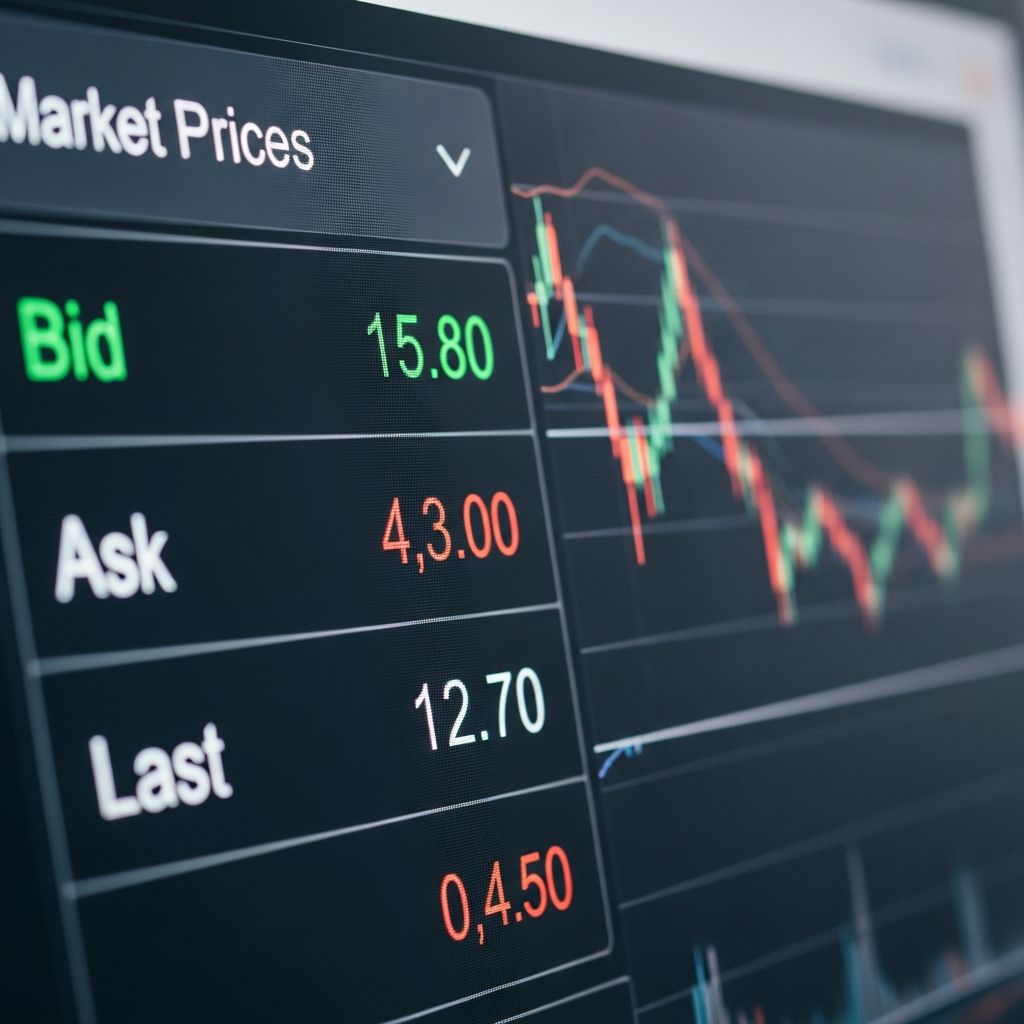
Let’s say you’re watching a technology stock that shows these prices:
Last Price: $75.50
Bid Price: $75.45
Ask Price: $75.65
The bid-ask spread is $0.20. If you wanted to buy shares immediately, you’d pay $75.65 per share. If you wanted to sell immediately, you’d receive $75.45 per share. The last price of $75.50 is between the bid and ask, which is typical. If you bought 100 shares at $75.65 and immediately sold at $75.45, you’d lose $20 to the spread before accounting for any movement in the stock price.
However, if you placed a limit order to buy at $75.50, you might wait for the market to reach that price. Or if you placed a limit order to sell at $75.70, you’d wait for buyers to push the ask price higher. These strategies help traders minimize the impact of bid-ask spreads.
Using Bid-Ask Spreads to Assess Market Conditions
Experienced traders use bid-ask spread width as a diagnostic tool. A stock with a narrow spread of just one or two cents is highly liquid and actively traded—you can enter and exit positions easily. A stock with a spread of several dollars is illiquid and difficult to trade without moving the market significantly.
When evaluating a security for potential investment, pay attention to the spread. Narrow spreads suggest you can efficiently buy and sell without excessive transaction costs. Wide spreads suggest you should be cautious about entering the position, as exiting might be costly. For long-term investors, spreads matter less because you’re not trading frequently, but for active traders, spread analysis is essential.
Frequently Asked Questions
Q: At what price do I buy a stock—the bid or the ask?
A: When purchasing a stock through a market order, you buy at the ask price (the lowest price sellers are willing to accept). Conversely, when selling, you receive the bid price (the highest price buyers are willing to pay).
Q: Is the last price the same as the current market price?
A: No. The last price is the price at which the most recent trade executed—a historical reference point. The current market price is better represented by the bid-ask spread, which shows the prices available right now. These can differ significantly.
Q: What does a narrow bid-ask spread indicate?
A: A narrow spread typically indicates high liquidity, strong trading volume, and low volatility. It means buyers and sellers have similar price expectations, and you can trade with minimal transaction costs. Conversely, a wide spread suggests lower liquidity, less trading volume, or higher uncertainty.
Q: Why do bid-ask spreads widen during volatile markets?
A: During high volatility, market makers face greater risk because prices can move dramatically between their purchase and sale. To compensate for this increased risk, they widen their spreads, effectively charging more for liquidity provision.
Q: How can I reduce the impact of bid-ask spreads on my trades?
A: Use limit orders to specify the exact price at which you’re willing to buy or sell, rather than market orders that execute immediately at the current spread. Additionally, trade highly liquid securities with tight spreads, and consider timing your trades during peak trading hours when spreads are narrowest.
Q: Who profits from the bid-ask spread?
A: Market makers profit from the bid-ask spread. They buy shares at the bid price and sell at the ask price, pocketing the difference as compensation for providing liquidity and assuming market risk.
Q: Can the last price be outside the bid-ask spread?
A: Yes, during volatile markets or rapid price movements, the bid-ask spread can shift significantly before a new trade occurs, potentially placing the last traded price outside the newly established spread.
Conclusion
The bid, ask, and last prices are fundamental concepts in trading and investing that every market participant must understand. The bid price represents the maximum buyers will pay, the ask price represents the minimum sellers will accept, and the last price shows where recent transactions occurred. The bid-ask spread—the difference between these two prices—represents a direct trading cost that impacts your profitability.
By understanding how these prices interact, what factors influence them, and how to use them strategically, you can make better trading decisions, reduce your transaction costs, and gain valuable insight into market dynamics. Whether you’re a buy-and-hold investor or an active day trader, mastery of these concepts will serve you well throughout your investment career.
References
- Bid and Ask Price: Definition, Example, How It Works — SoFi Learn. 2025. https://www.sofi.com/learn/content/bid-and-ask-price/
- Bid and Ask – Definition, Example, How it Works in Trading — Corporate Finance Institute. 2025. https://corporatefinanceinstitute.com/resources/equities/bid-and-ask/
- Bid Price/Ask Price — Investor.gov (U.S. Securities and Exchange Commission). 2025. https://www.investor.gov/introduction-investing/investing-basics/glossary/ask-price
- Bid, Ask, Last Price – What’s the best price to follow? — Growlonix. 2025. https://www.growlonix.com/support/article/bid-ask-last-price-whats-the-best-price-to-follow
- What are Bid and Ask Price Levels? — FP Markets Education. 2025. https://www.fpmarkets.com/education/trading-courses/course-2-beginner-learn-forex-trading/what-are-bid-and-ask-price-levels/
Similar Articles








Read full bio of Sneha Tete