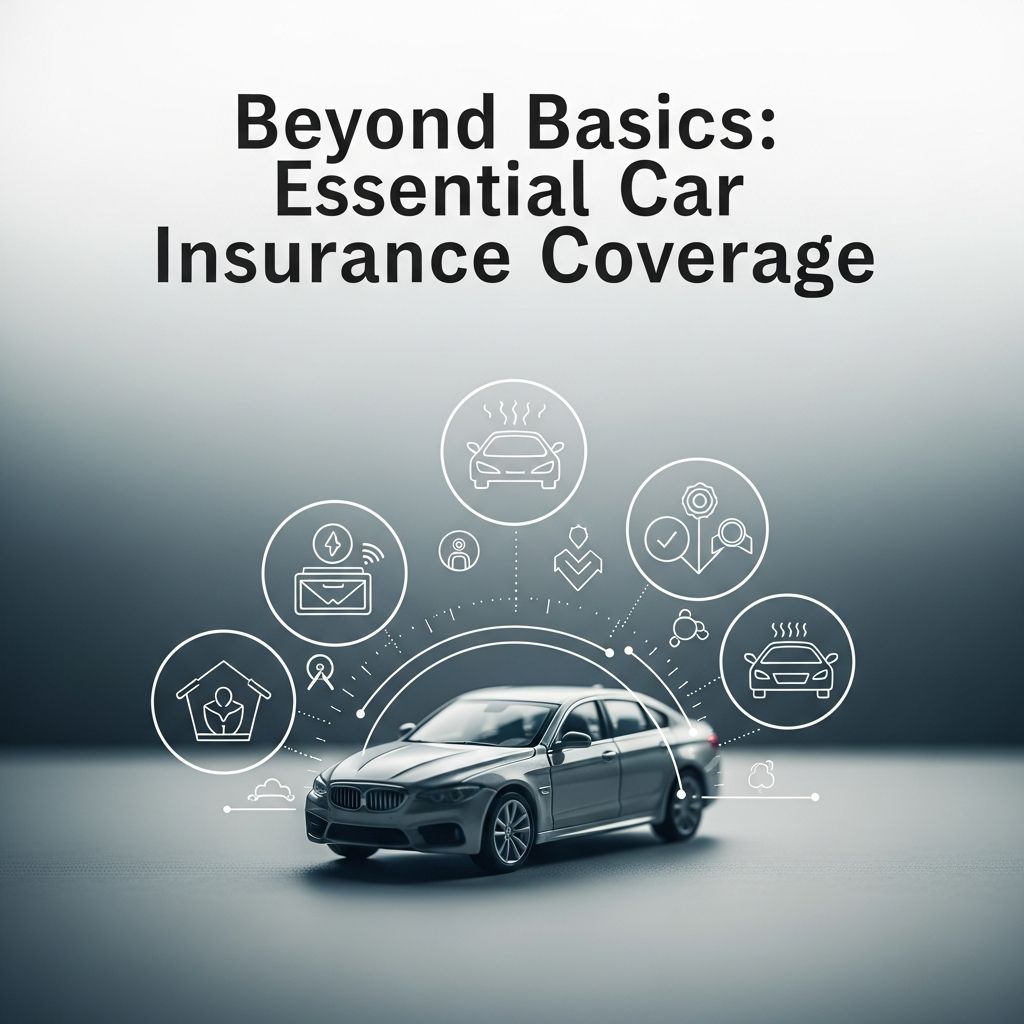
Beyond Basics: Essential Car Insurance Coverage
Discover why minimum car insurance falls short and learn the key coverages needed for true financial protection on the road.
While state-mandated minimum car insurance meets legal requirements, it often leaves drivers exposed to significant financial risks. True protection demands a deeper understanding of available coverages to shield personal assets, vehicles, and health from the uncertainties of the road.
Understanding State Minimum Requirements
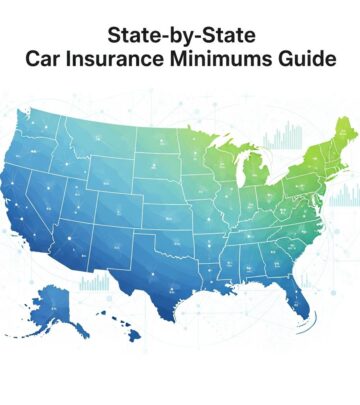
Every state except New Hampshire requires drivers to carry some form of liability insurance, typically covering bodily injury and property damage to others when you’re at fault. These limits, often as low as 25/50/25 (meaning $25,000 per person/$50,000 per accident for injuries and $25,000 for property), fail to address modern accident costs like hospital bills exceeding $100,000 or vehicle repairs over $20,000.
Minimum policies ignore damage to your own car and medical expenses for you or passengers, potentially leading to out-of-pocket losses in the tens of thousands. Experts recommend at least 100/300/100 limits for adequate protection.
Core Coverage Types Explained
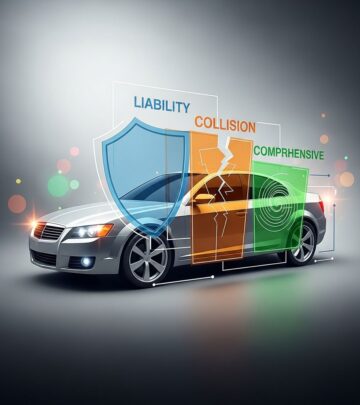
Car insurance comprises several layers, each targeting specific risks. Here’s a breakdown of the primary options.
| Coverage Type | What It Protects | Typically Required? |
|---|---|---|
| Liability | Injuries and property damage you cause to others | Yes, in nearly all states |
| Collision | Damage to your vehicle from crashes, regardless of fault | No, but often lender-required |
| Comprehensive | Non-collision incidents like theft, weather, vandalism | No, but often lender-required |
| Uninsured/Underinsured Motorist (UM/UIM) | Costs from drivers with insufficient or no insurance | Required in some states |
| Personal Injury Protection (PIP) | Medical bills, lost wages regardless of fault | Required in no-fault states |
| Medical Payments (MedPay) | Medical expenses for you and passengers | Optional |
Liability Coverage: Your Legal Shield
Bodily injury liability pays for medical treatment, lost wages, and legal fees if you injure others, while property damage liability covers repairs to their vehicles or structures. Without sufficient limits, you could face personal lawsuits draining savings or wages. Aim for limits matching your net worth to avoid asset seizure.
Collision and Comprehensive: Protecting Your Vehicle
Collision handles repairs after hitting another car or object, paying minus your deductible regardless of fault. Comprehensive covers theft, hail, fire, animal collisions, or falling objects. Together, they form ‘full coverage,’ essential for financed vehicles. Higher deductibles lower premiums but increase upfront costs during claims.
Uninsured/Underinsured Motorist Protection
With 13% of drivers uninsured, UM/UIM covers your injuries and property damage when at-fault drivers lack coverage. Bodily injury UM protects medical costs; property damage UM fixes your car. Many states mandate it, but higher limits provide better security.
Medical Coverages: No-Fault Health Protection
PIP, required in no-fault states like Michigan and Florida, covers 80% of medical bills and 60-85% of lost wages irrespective of fault, plus funeral costs. MedPay, an alternative, reimburses hospital visits and rehab for you, passengers, or family without fault determination. These prevent gaps in health insurance.
Optional Add-Ons for Enhanced Security
- Rental Reimbursement: Pays for a temporary car while yours is repaired post-covered claim.
- Roadside Assistance: Covers towing, flats, jumps, and lockouts.
- Gap Insurance: Bridges the difference if your car is totaled and you owe more than its value.
- New Car Replacement: Replaces recent vehicles with brand-new models.
- Mechanical Breakdown: Funds repairs after warranty expiration.
Calculating Your Ideal Coverage Levels
Assess net worth, home equity, and savings to set liability limits—experts suggest 100/300/100 minimum. For comprehensive/collision, match your car’s value; drop if under $4,000 to save premiums. Factor in deductibles: $500-1,000 balances cost and risk. Use online calculators from insurers for personalized quotes.
Cost-Saving Strategies Without Sacrificing Protection
Bundling auto with home insurance yields 10-25% discounts. Defensive driving courses reduce rates by 10%. Good credit, multi-car policies, and loyalty pay dividends. Pay annually or select higher deductibles to trim expenses. Shop annually—rates fluctuate.
| Strategy | Potential Savings |
|---|---|
| Bundling Policies | 10-25% |
| Safe Driver Discounts | 5-20% |
| Higher Deductible | Up to 30% |
| Low-Mileage | 5-15% |
Risks of Sticking to Minimum Coverage
Minimums cover only basic liability, leaving your car unprotected and medical bills unpaid. A single serious accident could cost $50,000+ out-of-pocket, leading to debt or bankruptcy. Lenders demand full coverage anyway, making minimums impractical for most.
Frequently Asked Questions
What is the minimum car insurance I need?
State minimums vary but typically include liability only (e.g., 25/50/25). They exclude your vehicle and full medical protection.
What does full coverage car insurance include?
Full coverage adds collision and comprehensive to liability, often with UM/UIM and medical options.
Do I need collision if I own my car outright?
Not legally, but recommended if repair costs exceed 10% of value to avoid large expenses.
How much liability coverage is enough?
At least 100/300/100, or matching your assets, plus an umbrella policy for extra layers.
What’s the difference between PIP and MedPay?
PIP offers broader no-fault benefits like wage loss; MedPay is simpler medical reimbursement.
Steps to Review and Upgrade Your Policy
- Inventory assets and debts to gauge risk exposure.
- Compare quotes from 3-5 insurers for identical coverages.
- Boost liability to 100/300/100 and add UM/UIM matching levels.
- Select deductibles fitting your emergency fund.
- Add riders like roadside for convenience.
- Reassess yearly or after life changes (new car, move).
Investing in robust coverage prevents financial catastrophe from routine risks. Minimums suffice for compliance; comprehensive policies ensure resilience.
References
- 7 Types of Car Insurance Coverage to Know — Mercury Insurance. 2023. https://www.mercuryinsurance.com/resources/basics-101/types-of-car-insurance-coverage.html
- 6 Types of Car Insurance Coverage — Allstate. 2024. https://www.allstate.com/resources/car-insurance/types-of-car-insurance-coverage
- Auto Insurance Coverage: 6 Types Explained — The Hartford. 2024. https://www.thehartford.com/aarp/car-insurance/coverage
- Types of Car Insurance Coverages — Progressive. 2024. https://www.progressive.com/answers/types-of-car-insurance/
- What Are the Different Types of Car Insurance Coverage? — Bankrate. 2024-03-15. https://www.bankrate.com/insurance/car/coverage-types/
- Car Insurance Coverage Types — GEICO. 2024. https://www.geico.com/information/aboutinsurance/auto/
- Auto insurance basics—understanding your coverage — Insurance Information Institute (III). 2024. https://www.iii.org/article/auto-insurance-basics-understanding-your-coverage
Similar Articles








Read full bio of Sneha Tete