Beware Medicare Scam Calls: Protect Yourself
Learn to identify and avoid Medicare scams with expert tips and warning signs.
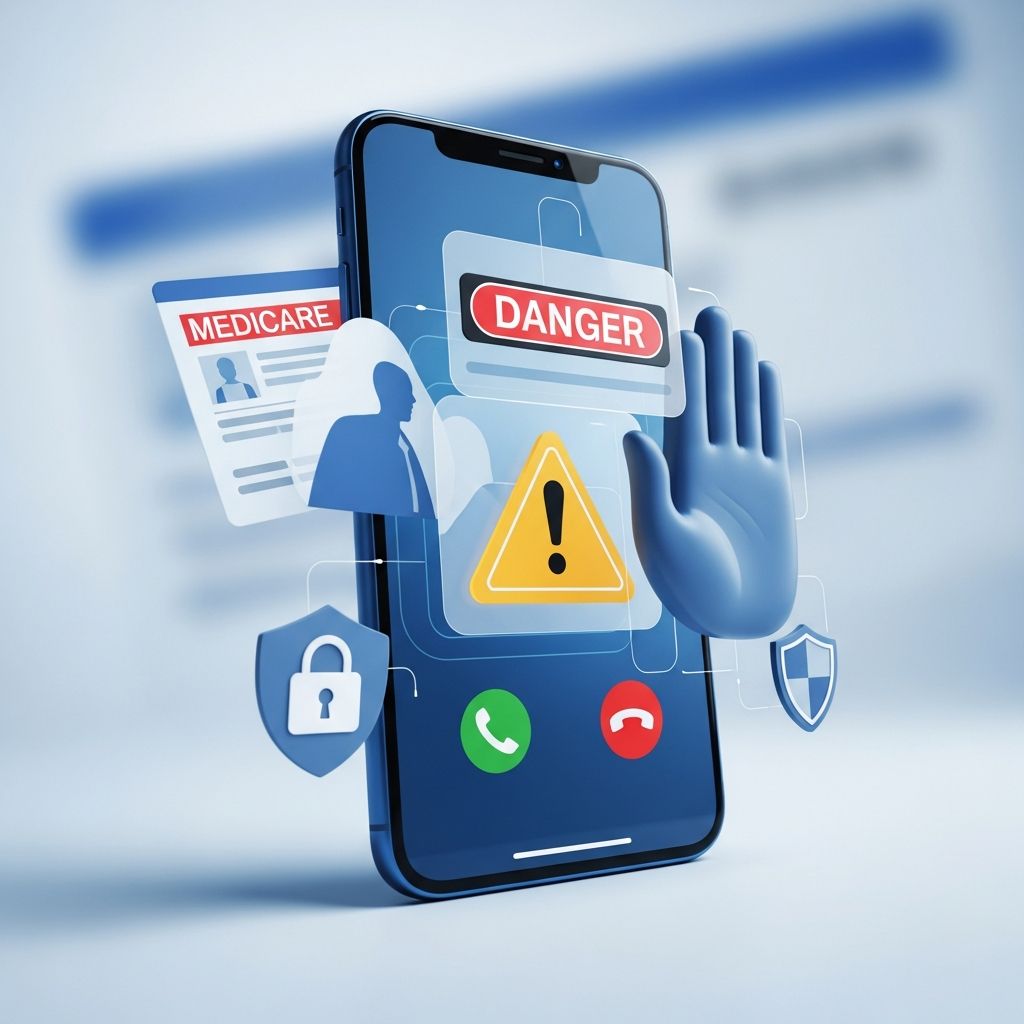
Beware Medicare Scam Calls: How to Protect Yourself From Fraudsters
Medicare scams have become increasingly sophisticated, with fraudsters using advanced technology and convincing tactics to target beneficiaries. Understanding how these scams work and recognizing warning signs is essential for protecting your personal information and finances. According to the National Council on Aging, scammers often sound professional over the phone and create convincing websites, emails, and print materials that appear to be from legitimate organizations. These criminals exploit the trust beneficiaries place in government agencies, making it critical to stay vigilant and informed about the tactics they use.
Understanding Medicare Scam Calls
Medicare scam calls are unsolicited phone calls from individuals claiming to represent Medicare, Social Security Administration, or other government agencies. The primary objective is to extract personal information such as Medicare numbers, Social Security numbers, and bank account details. Medicare will never call you unless you specifically request assistance, and if they do call you in response to your request, they will not ask for information they already have on file. Scammers, however, ignore this fundamental rule and initiate contact without any prior request from the beneficiary.
These calls often employ high-pressure tactics, creating a false sense of urgency to prompt immediate action. Fraudsters may claim that your Medicare coverage is expiring, that you’re eligible for refunds, or that your account has suspicious activity requiring immediate verification. The goal is to distract you from rational decision-making and persuade you to disclose sensitive information quickly.
Common Types of Medicare Scams
Medicare scammers employ various tactics to deceive beneficiaries. Understanding these common schemes helps you identify potential threats:
Free Medical Equipment and Supplies Offers
One prevalent scam involves unsolicited calls offering free diabetic supplies, braces, wheelchairs, or other medical equipment supposedly covered by Medicare. Scammers claim these items are available at no cost to you, but they require your Medicare number to process the order. Once they obtain your number, they may file fraudulent claims in your name, submit charges to Medicare for equipment you never received, or enroll you in unauthorized plans. These offers often target seniors with specific health conditions, making the pitch seem more credible.
Medicare Card Renewal or Upgrade Scams
Fraudsters frequently call claiming you need to activate, renew, or upgrade your Medicare card. They may state that Medicare is transitioning from paper cards to plastic chip cards and request your Medicare number to complete the process. Some may even ask for a processing fee. In reality, Medicare does not charge fees for card replacements or upgrades, and you should never provide your card number to unsolicited callers.
Coverage Cancellation Threats
Another common tactic involves calling to claim there’s a problem with your Medicare account, such as fraudulent activity, and threatening to cancel your benefits unless you immediately verify your personal information or join a new plan. This creates panic and encourages quick decision-making without careful consideration.
Refund Eligibility Claims
Scammers may inform you that you’re eligible for a refund due to recent changes in your Medicare plan and request your Medicare number or bank account details to process the refund. These false promises exploit the hope that beneficiaries may feel entitled to financial benefits.
Phishing Through Email and Text Messages
Beyond phone calls, fraudsters send emails and text messages appearing to come from Medicare, urging recipients to click links to verify account information. These messages often contain malware or direct you to fake websites designed to harvest your personal data.
Warning Signs You’re Being Scammed
Recognizing red flags is crucial for protecting yourself. Here are key indicators that a call or message may be fraudulent:
- Unsolicited Contact: You receive a call, email, or text without requesting help from Medicare. Remember, Medicare representatives will not call you out of the blue.
- Requests for Personal Information: The caller asks for your Medicare number, Social Security number, bank account details, or credit card information. Legitimate Medicare representatives will not ask for this information over the phone in unsolicited calls.
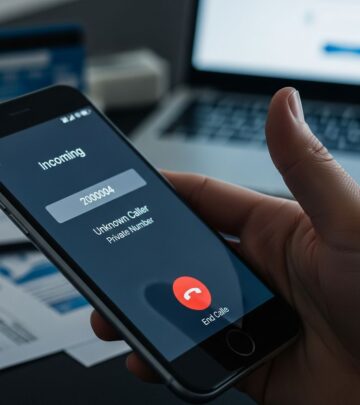
- Suspicious Caller ID: The caller ID shows a private number or an unfamiliar number, even if it appears to be from a government agency. Scammers use spoofing technology to make their numbers look legitimate.
- Pressure and Urgency: The caller creates artificial urgency, claiming your benefits will be canceled, charges will be applied, or a special offer is expiring soon.
- Offers Too Good to Be True: Promises of free medical supplies, refunds, or exclusive benefits without legitimate justification are red flags. Be skeptical of any offer for no-cost medical care, prescription medications, or genetic testing not ordered by your physician.
- Poor Grammar or Unprofessional Language: While many scammers sound professional, some may have awkward phrasing or accent inconsistencies that suggest they are not legitimate government representatives.
- Requests to Click Links or Download Files: Fraudulent emails and texts often ask you to click links or download files that may contain malware or direct you to phishing websites.
How Scammers Execute the Fraud
Understanding the mechanics of these scams helps you prevent falling victim. The typical process involves several stages:
Step 1: Initial Contact and Identification: The scammer calls claiming to represent Medicare or a related government agency. They may have obtained basic information about you from the internet or data breaches, making the call seem credible.
Step 2: Creating Urgency: The caller establishes a reason you must act immediately—your card is expiring, your benefits are at risk, you’re eligible for a refund, or there’s fraudulent activity on your account.
Step 3: Information Extraction: The caller asks you to verify or provide personal information. They may request you press a number to speak with a representative or stay on the line while they “confirm” your details.
Step 4: Fraud Execution: Once you provide your information, scammers may engage in identity theft, enroll you in fraudulent plans, file false Medicare claims in your name, or sell your information to other criminals.
Protecting Yourself From Medicare Scams
Taking proactive steps significantly reduces your risk of becoming a victim. Implement these protective measures:
Verify All Calls
If you receive a call claiming to be from Medicare, hang up and independently call Medicare’s official number at 1-800-MEDICARE. Ask whether they called you and verify the nature of their claim. This ensures you’re contacting the legitimate organization, not a number the scammer provided.
Never Share Your Medicare Number
Your Medicare number is as sensitive as your credit card number. Only provide it to your doctor, pharmacy, or authorized Medicare representatives you contact directly. Do not share it with anyone who calls you unexpectedly, regardless of how official they sound.
Be Cautious of Unsolicited Offers
If you receive unexpected offers for medical equipment, benefits, or services, research the company independently and verify with Medicare directly. Do not accept products or services you did not request.
Monitor Your Medicare Statements
Regularly review your Medicare Summary Notice and billing statements for discrepancies. Check for charges related to services you did not receive or appointments you did not attend. Report any suspicious activity to Medicare immediately.
Don’t Trust Caller ID
Scammers can spoof phone numbers to make them appear legitimate. Even if the caller ID shows Medicare’s number or a government agency, this does not guarantee the call is authentic. If you were not expecting a call, verify independently before sharing information.
Avoid Clicking Unknown Links
Do not respond to unexpected emails or text messages or click on links they contain. Fraudulent messages often appear convincing but direct you to phishing sites or install malware on your device. When in doubt, navigate to Medicare.gov directly or call the official Medicare number.
Report Suspicious Activity
If you receive a scam call, report it to Medicare at 1-800-MEDICARE and to the Federal Trade Commission (FTC) at reportfraud.ftc.gov. Reporting helps authorities track scam patterns and protect other beneficiaries.
Special Considerations During Open Enrollment
Medicare scams intensify during the Open Enrollment Period (October 15 – December 7 annually), when beneficiaries are encouraged to review and change their health coverage. During this time, scammers may claim you’re pre-approved for new plans, state that plans are expiring, or insist there were mistakes with your sign-up. They exploit the confusion and urgency many beneficiaries feel during this period. Remain especially vigilant during these months and verify all communications independently.
What to Do If You’ve Been Scammed
If you suspect you’ve provided information to a scammer, act quickly:
- Contact Medicare at 1-800-MEDICARE to review your account for fraudulent activity.
- Monitor your bank and credit card statements for unauthorized charges.
- Consider placing a fraud alert on your credit report by contacting one of the three major credit bureaus.
- File a report with the FTC at reportfraud.ftc.gov.
- Contact local law enforcement if you’ve lost money or your identity has been compromised.
Frequently Asked Questions
Q: Will Medicare ever call me without me asking?
A: No. Medicare will not call you unless you specifically request assistance. If you called Medicare for help and left a message, a representative may call back, but they will not ask for information they already have on file. Any unsolicited call claiming to be from Medicare is likely fraudulent.
Q: What should I do if I accidentally provided my Medicare number to a caller?
A: Contact Medicare immediately at 1-800-MEDICARE to report the incident. Ask them to review your account for unauthorized claims or changes. Monitor your Medicare statements closely for suspicious activity, and consider placing a fraud alert on your credit report.
Q: How can I verify if a caller is really from Medicare?
A: Hang up and independently call 1-800-MEDICARE using the official number. Ask whether they attempted to contact you and verify the nature of their claim. Never use a phone number provided by the caller.
Q: Are Medicare emails ever legitimate?
A: Medicare may send emails, but they will not ask you to click links or confirm personal information via email. If you receive an email asking you to verify information, do not click any links. Instead, navigate to Medicare.gov directly or call 1-800-MEDICARE.
Q: What information should I never share over the phone?
A: Never provide your Medicare number, Social Security number, bank account details, credit card information, or password to anyone who calls you unexpectedly. Legitimate organizations will not request this sensitive information via unsolicited phone calls.
Q: How often should I review my Medicare statements?
A: Review your Medicare Summary Notice at least once a year, or more frequently if you prefer. Some beneficiaries review statements monthly to catch fraudulent charges quickly. The sooner you identify unauthorized charges, the faster you can report and address them.
Conclusion
Medicare scams represent a serious threat to beneficiaries’ financial security and personal information. By understanding common scam tactics, recognizing warning signs, and implementing protective measures, you can significantly reduce your risk. Remember that Medicare will never call you unsolicited, legitimate representatives will not request sensitive information over the phone, and your Medicare number should be guarded as carefully as your credit card. Stay vigilant, verify all communications independently, and report suspicious activity immediately. Your awareness and caution are your strongest defenses against fraud.
References
- 5 Warning Signs of a Medicare Scam—and How to Protect Yourself — National Council on Aging (NCOA). 2024. https://www.ncoa.org/article/5-warning-signs-of-a-medicare-scam-and-how-to-protect-yourself/
- How to Avoid Medicare Scams — White Glove Community Care. 2024. https://whiteglovehomecare.com/medicare-scam-calls-how-to-protect-yourself/
- Medicare Scam Calls: What You Need to Know — WellMed Medical Group. 2024. https://www.wellmedhealthcare.com/patients/healthyliving/medicare/medicare-scam-calls-what-you-need-to-know/
- Stay Safe From Medicare & Medicaid Phone Scams — Community Resources for Independence (CRI). 2025. https://crinet.org/2025/11/stay-safe-from-medicare-medicaid-phone-scams/
- Protecting Yourself From Fraud — Centers for Medicare & Medicaid Services (CMS). https://www.medicare.gov/publications/10111-protecting-yourself-from-fraud.pdf
Similar Articles








Read full bio of medha deb