Better Paths Beyond Debt Settlement
Discover safer, smarter ways to tackle debt without the risks of settlement programs and their credit damage.

Struggling with mounting debts can feel overwhelming, but debt settlement isn’t always the best route. This approach often involves halting payments to creditors, which can severely harm your credit score while racking up fees from for-profit companies. Instead, consider these reliable strategies that prioritize long-term financial health over quick fixes.
Understanding the Pitfalls of Debt Settlement
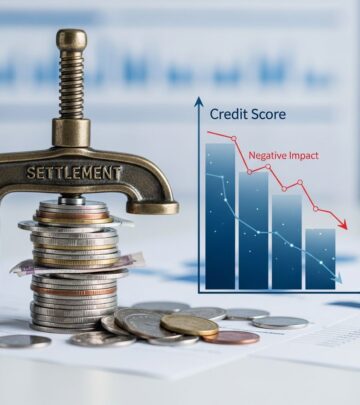
Debt settlement typically requires you to stop payments on your accounts, allowing debts to age in delinquency. A company then negotiates lump-sum payoffs for less than owed, charging 15% to 25% of the settled amount. While it might reduce what you pay, the process leads to late fees, higher interest, collection calls, and a credit score drop of up to 100 points or more. Creditors may sue during this period, and forgiven debt counts as taxable income.
According to the Federal Trade Commission, settlement programs differ sharply from nonprofit options and carry no guarantees of success. Many consumers end up worse off, with unresolved debts and damaged credit lasting seven years.
Option 1: Partner with Nonprofit Credit Counseling
Nonprofit credit counseling agencies provide free or low-cost advice tailored to your situation. A certified counselor reviews your income, expenses, and debts to create a personalized plan. For many, this leads to a debt management plan (DMP), where the agency negotiates lower interest rates—often dropping from 20%+ to single digits—and waives fees with major creditors.
In a DMP, you make one affordable monthly payment to the agency, which distributes funds to creditors. Plans typically last 3-5 years, and while participating accounts may close, consistent payments build positive history. Setup fees are around $50, with monthly charges of $25-$50—far less than settlement costs.
- Benefits: Reduced rates and fees; single payment simplifies budgeting; professional guidance; minimal credit impact compared to settlement.
- Drawbacks: Closed accounts limit new credit; requires discipline to complete.
Organizations like the National Foundation for Credit Counseling (NFCC) ensure ethical services. Contact them via nfcc.org for a local agency.
Option 2: Streamline with Debt Consolidation Loans
Debt consolidation replaces multiple high-interest debts with a single loan at a lower rate. If you have fair credit (score 670+), personal loans from banks, credit unions, or online lenders offer terms of 2-5 years. For example, rates might fall from 25% credit card APR to 10-15% on a consolidation loan.
| Debt Type | Avg. Interest Rate | Consolidation Benefit |
|---|---|---|
| Credit Cards | 20-25% | 10-15% loan rate |
| Personal Loans | 15-20% | Simplified payments |
| Medical Bills | 0% initially | Fixed repayment |
Providers like Accredited Debt Relief partner for loans up to $100,000 with terms to 84 months. No new debt is created beyond the consolidation, preserving your credit utilization if managed well.
- Pros: Lower monthly payments; one bill; potential credit boost from on-time payments.
- Cons: Needs decent credit; longer terms increase total interest if not paid early.
Option 3: Leverage 0% Balance Transfer Cards
Balance transfer credit cards let you move high-interest balances to a card with 0% introductory APR, typically 12-21 months. This saves hundreds in interest if you pay down the principal aggressively. Transfer fees are 3-5%, but the savings often outweigh them for qualifying users (credit score 670+).
Strategy: Transfer the highest-interest debt first, pay minimums on the new card, and extra toward principal. Automate payments to avoid promo rate expiration at 18-29% APR. Combine with a DMP for non-transferable debts.
- Advantages: Interest-free period; keeps accounts open; builds credit with utilization under 30%.
- Limitations: Balance limits; fees; post-promo high rates.
Shop via sites like NerdWallet for current offers, ensuring the issuer reports to all three bureaus.
Option 4: Master DIY Debt Negotiation
Negotiate directly with creditors without third-party fees. Call the number on your statement, explain hardship (job loss, medical issues), and propose a payment plan or reduced payoff. Many creditors prefer settlements over defaults, accepting 40-60% lump sums or structured plans.
Prepare: Save 3-6 months of payments in a dedicated account. Get agreements in writing before paying. Track calls and reference hardship programs—citi.com or chase.com often list them.
- Strengths: No fees; faster resolutions; less credit damage if payments continue.
- Challenges: Time-intensive; no leverage like delinquency; tax on forgiven amounts.
Use the debt snowball (smallest balances first for motivation) or avalanche (highest interest first for savings) to prioritize.
Comparing Your Debt Relief Choices
| Strategy | Credit Impact | Cost | Timeframe | Best For |
|---|---|---|---|---|
| Credit Counseling/DMP | Low | $25-50/mo | 3-5 years | Multiple accounts |
| Consolidation Loan | Neutral/Positive | Interest only | 2-5 years | Good credit |
| Balance Transfer | Low | 3-5% fee | 12-21 mo | Short-term payoff |
| DIY Negotiation | Variable | None | Months | Motivated individuals |
| Debt Settlement | High Negative | 15-25% fee | 2-4 years | Last resort |
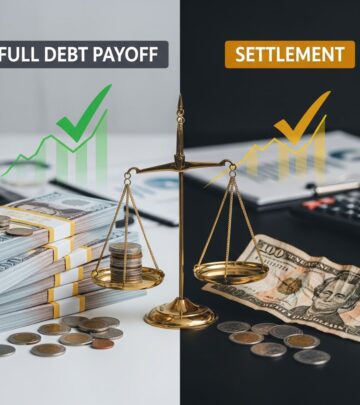
This table highlights why alternatives often outperform settlement in cost, credit preservation, and reliability.
Boosting Success: Budgeting and Income Strategies
Pair any plan with a zero-based budget: Assign every dollar to needs, debts, and savings. Apps like YNAB or Mint track progress. Increase income via side gigs (Uber, freelancing) or selling items on eBay. Cut expenses: Negotiate bills, cancel subscriptions, meal prep.
Government aid like SNAP or LIHEAP can free up cash. Build a $1,000 emergency fund first to avoid new debt.
When to Consider Bankruptcy as a Last Resort
If debts exceed half your annual income and repayment takes over 5 years, Chapter 7 or 13 bankruptcy discharges unsecured debts. Chapter 7 wipes eligible balances in months; Chapter 13 restructures over 3-5 years. Impacts credit for 7-10 years but stops collections immediately. Consult a nonprofit attorney via legalaid.org.
Frequently Asked Questions
Will these alternatives hurt my credit score?
Less than settlement. DMPs may close accounts but show positive payment history; consolidation and transfers can improve scores with on-time payments.
How do I choose the right option?
Assess credit score, debt amount ($10k+ for settlement alternatives), and discipline. Start with counseling for free advice.
Are there fees involved?
Counseling: Minimal. Loans: Interest. DIY: Free. Always cheaper than settlement’s 15-25%.
Can I do multiple strategies?
Yes—transfer some debts, consolidate others, counsel for the rest.
What if creditors sue?
Respond promptly; seek legal aid. Alternatives reduce lawsuit risk by maintaining payments.
Take Control Today
Start by listing debts, income, and expenses. Contact NFCC or FTC resources for guidance. Consistent action leads to debt freedom without settlement’s pitfalls. Track progress monthly and celebrate milestones.
References
- 4 Alternatives to Debt Settlement — Experian. 2023. https://www.experian.com/blogs/ask-experian/alternatives-to-debt-settlement/
- What are the alternatives to debt consolidation? — Achieve. 2024. https://www.achieve.com/learn/debt-consolidation/debt-consolidation-alternatives
- 7 best debt relief companies 2026 — Fortune. 2026-03-01. https://fortune.com/article/best-debt-relief-companies/
- Best Debt Relief Services Compared — DebtHelper. 2025. https://debthelper.com/compare-debt-relief-services/
- Debt Relief: How It Works and Options — NerdWallet. 2025. https://www.nerdwallet.com/personal-loans/learn/find-debt-relief
- Debt Relief Programs: The Pros and Cons — NFCC. 2024. https://www.nfcc.org/blog/debt-relief-programs-the-pros-and-cons-of-each-type/
- How To Get Out of Debt — FTC (consumer.ftc.gov). 2025-02-15. https://consumer.ftc.gov/articles/how-get-out-debt
Similar Articles








Read full bio of medha deb