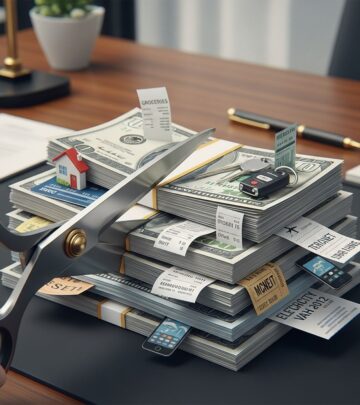
Best Ways To Save Money: Proven, Practical Strategies
Discover proven strategies to cut expenses, build savings, and master your budget in 2026 with expert tips.
Saving money doesn’t require drastic lifestyle changes—small, consistent habits can lead to significant financial gains. This guide covers proven strategies from budgeting basics to no-spend challenges, helping you trim expenses across groceries, utilities, entertainment, and daily life. Whether you’re living paycheck to paycheck or aiming to build an emergency fund, these tips deliver real results.
Create a Budget You Can Stick To
A solid budget is the foundation of saving money. Start with the 50/30/20 rule: allocate 50% of income to essentials like rent and groceries, 30% to wants, and 20% to savings and debt repayment. For a $3,000 monthly income, that’s $1,500 for needs, $900 for wants, and $600 for savings.
Alternatives include zero-based budgeting, where every dollar is assigned—ensuring income minus expenses equals zero—or the envelope system, using cash envelopes for categories like gas or food. When empty, spending stops until payday.
- Track income and expenses: Review bank statements to identify leaks.
- Prioritize needs: Cover housing, food, and transport first.
- Adjust as needed: Use apps or spreadsheets for flexibility.
Try a No-Spend Challenge
A no-spend challenge bans non-essential purchases for a set period, like a weekend, week, or month. It’s ideal for resetting habits and curbing impulse buys. Skipping dining out for a month could save $400.
Ban Spending for a Set Time
Commit to no non-essentials for 30 days. Beginners start with a no-spend weekend; pros extend to multiple months. Focus on essentials only to build discipline.
Freeze During Special Occasions
Avoid holiday or birthday overspending by DIY gifting, regifting, or free activities like home movie nights. Volunteer together instead of buying presents.
Set a Savings Goal
Analyze past spending on dining and entertainment, then transfer that amount to savings upfront. This visualizes progress and motivates adherence.
Plan Ahead
Stock groceries, meal prep, and make lists to dodge temptations like takeout.
Other No-Spend Hacks
- Find free items: Check Craigslist free sections, Buy Nothing groups, or library loans beyond books.
- Shop at home: Inventory pantry, clothes, and gadgets you forgot.
- Swap, don’t shop: Trade clothes, toys, or services with neighbors.
- Avoid temptation: Ditch credit cards, unsubscribe from emails, skip window shopping.
- Wish list: Note wants; review post-challenge—many urges fade.
Budget small splurges ($20-30) for sustainability.
Save on Groceries
Groceries eat budgets—fight back with planning. Meal prepping four nights weekly vs. $40 takeout saves $2,000 yearly. Use lists, store brands, and bulk buys.
- Switch to generics: $2.50 store cereal vs. $4.50 name-brand adds up.
- Batch freezer meals: Prep ahead for low-income ease.
- Stack savings: Coupons + rewards apps for 25% off planned buys.
Maximize Cash Back and Rewards
Earn on essentials: Upside app users save $290 yearly on gas and groceries. Pair with cash-back cards responsibly.
Loyalty programs at stores, gas stations, and coffee shops yield freebies. 10¢/gallon off on 500 gallons saves $50 annually.
Repair and Buy Used
Fix appliances, phones, or clothes instead of replacing. Buy secondhand via apps or thrift stores to stretch dollars.
Cut Transportation Costs
Public transit, carpools, or biking save big. Skip a 15-mile daily drive: $150/month on gas/parking. Health bonus included.
Leverage Libraries and Freebies
Libraries offer streaming, audiobooks, passes—cancel a $15 service to save $180/year. Enjoy free community events.
Save on Utilities: 18 Tips
Summer spikes hit hard—lower bills without discomfort. Tips include unplugging devices, LED bulbs, smart thermostats, low-flow fixtures, and off-peak usage.
| Utility Tip | Potential Savings |
|---|---|
| Unplug vampire electronics | $100/year |
| LED lighting upgrade | $75/year |
| Programmable thermostat | $150/year |
| Water heater blanket | $30/year |
Combine for hundreds saved.
Budget on Low Income
Frugal wins: Batch meals, coupons, public transit. Check government aid eligibility via benefits screeners.
Extra Hacks
- Tax refunds: Pay high-interest debt to save $500 in interest on $2,500.
- Sell unused: eBay/Facebook Marketplace for cash.
- Negotiate bills: $20/month off internet = $240/year.
Frequently Asked Questions (FAQs)
Q: How do I start a no-spend challenge?
A: Pick a duration, set a savings goal, plan meals, and avoid temptations. Beginners try weekends first.
Q: What’s the 50/30/20 budget rule?
A: 50% needs, 30% wants, 20% savings/debt. Adjust for your income.
Q: Can I save on low income?
A: Yes—meal prep, transit, coupons, and aid programs help.
Q: Are cash-back apps worth it?
A: Yes, $290/year possible on planned spends.
Q: How to lower utility bills?
A: 18 tips like LEDs and thermostats save hundreds without sacrifice.
References
- How to Save Money in 2026 With a No-Spend Challenge — The Penny Hoarder. 2025. https://www.thepennyhoarder.com/save-money/no-spend-challenge/
- How to Save Money: 25 Proven Tips That Actually Work — The Penny Hoarder. 2025. https://www.thepennyhoarder.com/save-money/how-to-save-money/
- Save Money in Every Aspect of Life with These Tips — Top Class Actions. 2024-07-15. https://topclassactions.com/penny-hoarder/save-money-every-aspect-life-tips/
- How to Budget on a Low Income Without Feeling Defeated — The Penny Hoarder. 2025. https://www.thepennyhoarder.com/budgeting/budget-on-a-low-income/
- Consumer Financial Protection Bureau Budgeting Guide — CFPB (U.S. Government). 2024-01-10. https://www.consumerfinance.gov/consumer-tools/budgeting/
- Energy.gov Tips to Save on Utilities — U.S. Department of Energy. 2025-06-01. https://www.energy.gov/energysaver/energy-saver-guide-tips-save-money-and-energy-home
- Federal Reserve Report on Household Savings — Federal Reserve. 2025-03-15. https://www.federalreserve.gov/publications/files/2025-report-household-economics.pdf
Similar Articles








Read full bio of medha deb