Best Unsecured Credit Cards for Bad Credit
Build your credit with low-fee unsecured cards designed for bad credit scores.

Understanding Unsecured Credit Cards for Bad Credit
A bad credit score, defined as any score below 579 on the FICO scale, can significantly impact your financial opportunities, including access to quality credit cards. Most credit card issuers target consumers with good or excellent credit scores, typically ranging from 670 to 850, reserving their premium offers for those with stronger credit profiles. However, if you fall into the bad credit category, you’re not entirely without options when it comes to unsecured credit cards.
An unsecured credit card is one that doesn’t require a security deposit. When you’re approved for an unsecured card, you receive a line of credit with a limit determined by your application details and credit score. Because these cards aren’t backed by a cash deposit like secured alternatives, they represent more risk for the card issuer. Consequently, lenders carefully evaluate factors including your payment history and income before extending credit approval.
The key distinction for those with bad credit is that unsecured options tend to come with higher annual fees, fewer perks, and lower credit limits compared to cards designed for people with fair or better credit. Still, a handful of quality unsecured credit cards specifically designed for bad credit borrowers are available in the market.
Credit Score Requirements and Eligibility
Understanding credit score tiers helps clarify your eligibility for different card types. Fair credit ranges from 580 to 669 on the FICO scale, and individuals in this range typically have more unsecured credit card offers available to them. If your score falls below 580, your options become more limited, though not entirely unavailable.
Most standard unsecured credit cards require a credit score in the good to excellent range of 670 to 850. However, some specialized unsecured cards for bad credit accept scores as low as 300 to 670, depending on the specific card issuer. This expanded range opens possibilities even for those with significantly damaged credit profiles.
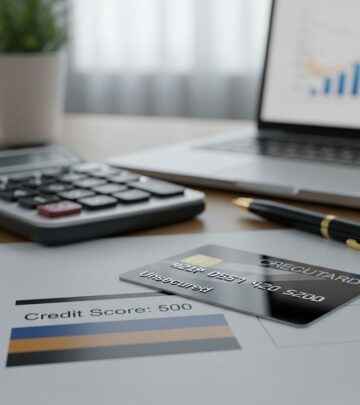
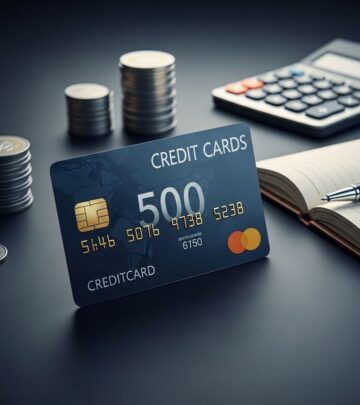
The important takeaway is that while you may have limited options with bad credit, qualifying for unsecured credit cards with scores below 580 is still achievable. You can obtain an unsecured credit card with a 500 credit score, though be prepared for higher costs in the form of annual or monthly fees, which may ultimately make these cards more expensive than secured alternatives.
Top Unsecured Cards for Bad Credit
Several unsecured credit cards specifically cater to bad credit borrowers. These cards emphasize credit-building features while keeping fees relatively reasonable compared to other subprime offerings.
| Card Name | Best For | Annual Fee | Recommended Credit Score |
|---|---|---|---|
| Prosper® Card | High potential credit limit | $59 (waived first year with autopay signup) | 580–740 |
| Mission Lane Silver Line Visa® | Potentially no annual fee | $0 depending on creditworthiness | 300-670 |
| Credit One Bank® Platinum Visa® | Cash back rewards | $75 first year, then $99 annually | 300-670 |
The Prosper® Card stands out for those seeking higher credit limits. With an annual fee of $59 that gets waived during your first year if you enroll in autopay before your first statement arrives, this card targets the upper end of the bad credit spectrum, accepting scores between 580 and 740.
The Mission Lane Silver Line Visa® Credit Card offers a potentially more attractive fee structure with $0 annual fees depending on your creditworthiness assessment. This card accepts credit scores ranging from 300 to 670, making it accessible to those with severe credit challenges.
For those interested in earning rewards despite bad credit, the Credit One Bank® Platinum Visa® for Rebuilding Credit offers cash back benefits. The annual fee structure includes $75 for the first year, then $99 annually (approximately $8.25 monthly). This card also accommodates scores from 300 to 670, making it another inclusive option for bad credit consumers.
Comparing Unsecured Cards for Bad Credit
When evaluating unsecured cards designed for bad credit, several factors warrant careful consideration. The comparison table provided below demonstrates how these cards stack against each other across key dimensions:
Fee structures vary significantly among bad credit cards. While some cards waive annual fees based on your creditworthiness or enrollment in autopay programs, others charge consistent annual fees regardless of payment behavior. Mission Lane’s fee structure offers the most flexibility, potentially charging nothing if you demonstrate creditworthiness, whereas Credit One Bank’s tiered approach charges higher fees in early years.
Credit limit potential represents another crucial distinction. The Prosper® Card explicitly markets itself for those seeking higher credit limits, suggesting more generous initial limits compared to competitors. Conversely, cards accommodating scores as low as 300 may start with more conservative credit limits that grow as your credit behavior improves.
Understanding Rates and Fees
Finding a credit card for bad credit without interest charges or fees is virtually impossible, but you can minimize ongoing costs by strategically selecting cards with the most favorable rate and fee combinations.
When evaluating APR (Annual Percentage Rate), target unsecured cards with interest rates below 30 percent, ideally, but no more than 35 percent. If you cannot qualify for an unsecured card with an APR below 35 percent, a secured credit card becomes a more economical alternative, despite requiring a cash deposit.
Beyond APR, examine all associated fees carefully:
- Annual fees: Range from $0 to $99 depending on the card, with some waivable based on enrollment choices
- Monthly fees: Credit One Bank charges $8.25 monthly, totaling $99 annually
- One-time fees: Application fees or setup fees, though many bad credit cards waive these
- Late payment fees: Typically $25-$35 for missed payments
- Foreign transaction fees: Usually 1-3% for international purchases
Collectively, these fees can accumulate quickly. Calculate your estimated annual costs by adding the annual fee to potential interest charges based on your expected balance. This comprehensive view prevents unpleasant surprises and helps you identify genuinely affordable options.
When a Secured Credit Card Makes More Sense
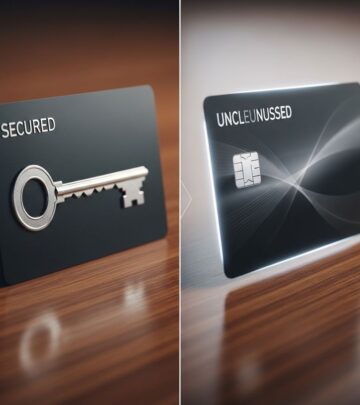
While unsecured cards for bad credit exist, secured credit cards often represent a smarter financial choice for those with significantly damaged credit profiles. Secured cards require a refundable security deposit upfront, which serves as your credit limit.
Although putting down a cash deposit may seem counterintuitive, secured cards offer several advantages that sometimes outweigh the deposit requirement. The best secured cards feature no annual fees, rewards programs, and clear pathways to upgrade to unsecured cards once your credit score improves. Importantly, your security deposit isn’t forfeited—when you close or upgrade a secured card account in good standing, you receive your deposit back completely.
Consider choosing a secured card over an unsecured option if any of these situations apply to you:
- You have funds available to deposit a sizable security amount to secure a higher credit limit
- The annual fees on unsecured cards you’ve applied for equal or exceed the cost of a reasonable security deposit
- Unsecured cards’ rates approach 35 percent and include confusing or unfavorable terms and conditions
In many cases, a secured card for bad credit costs less overall than an unsecured option that charges annual and other recurring fees you won’t recover. While both card types require minimum security deposits of approximately $200, secured cards typically charge no annual fees, making them more economical when compared to unsecured cards charging $59 to $99 annually.
Building Credit Effectively
Regardless of whether you choose an unsecured or secured card, credit-building should remain your primary focus when you have bad credit. Both card types support credit development by reporting your payment behavior to credit bureaus, allowing positive payment history to gradually improve your score.
To maximize credit-building potential:
- Make all payments on time, as payment history comprises 35 percent of your credit score
- Keep credit utilization low, ideally below 30 percent of your available limit
- Monitor your credit reports regularly for errors or fraudulent activity
- Avoid opening multiple new accounts simultaneously, as each application triggers a hard inquiry
- Plan for card upgrade opportunities when using secured cards with automatic review periods
Many secured cards include automatic account reviews at specific intervals, such as seven months, to assess whether you qualify for graduation to an unsecured card. This pathway provides motivation for responsible credit management while offering a clear roadmap toward accessing better financial products.
Securing Approval With Bad Credit
Approval odds for unsecured cards with bad credit depend largely on the specific card issuer’s lending criteria. While some issuers charge steeper rates and fees to subprime applicants, others adopt more inclusive approval policies. Unsecured cards designed specifically for bad credit typically evaluate factors beyond your credit score, including current income, employment stability, and banking relationships.
When applying for unsecured cards for bad credit, be prepared to provide documentation supporting your income and employment status. Some card issuers may contact your employer directly to verify employment before finalizing approval.
Alternatives and Additional Considerations
Beyond traditional unsecured and secured cards, alternative credit-building products exist for those with bad credit. Some financial institutions offer no-credit-check cards or cards requiring minimal credit verification, though these often come with less favorable terms.[10]
Additionally, some unsecured cards offer specialized features for bad credit borrowers. For instance, certain cards waive annual fees based on your creditworthiness assessment at application, meaning some applicants pay nothing while others pay standard annual fees based on credit profile evaluation.
If you’re interested in earning rewards despite bad credit, the Credit One Bank® Platinum Visa® for Rebuilding Credit offers cash back opportunities, though higher annual fees partially offset rewards value. Alternatively, the Discover it® Secured Credit Card and Capital One Quicksilver Secured Cash Rewards Credit Card provide reward opportunities through the secured card route, combining deposit protection with earning potential.
Frequently Asked Questions
Q: Can I get an unsecured credit card with a 500 credit score?
A: Yes, you can obtain an unsecured credit card with a 500 credit score. However, these cards tend to charge annual or monthly fees and may ultimately prove more expensive than secured credit card alternatives. Carefully compare total costs before deciding.
Q: What makes a bad credit card unsuitable?
A: A credit card becomes unsuitable for bad credit borrowers if it combines high interest rates, excessive fees, and no meaningful credit-building benefits. Cards charging 35+ percent APR with multiple monthly fees while providing minimal rewards or credit bureau reporting represent poor value propositions.
Q: Are secured cards really better than unsecured cards for bad credit?
A: Often yes, secured cards prove more economical for bad credit borrowers because they typically charge no annual fees despite requiring a security deposit. When comparing total costs—including annual fees, interest rates, and other charges—secured cards frequently emerge as cheaper options. However, the best choice depends on your specific financial situation and available funds for deposits.
Q: When will I get my security deposit back?
A: Your security deposit is fully refundable when you close your secured card account in good standing or successfully upgrade to an unsecured card. The deposit becomes available again once your account closure processes, typically within several business days to weeks.
Q: What’s the minimum security deposit required?
A: Most secured cards require a minimum security deposit of $200, though some may accept larger deposits to establish higher credit limits. The deposit amount typically becomes your credit limit, so larger deposits can provide more spending capacity.
Q: How do unsecured cards for bad credit differ from standard unsecured cards?
A: Unsecured cards designed for bad credit feature higher annual fees, lower credit limits, and higher APRs compared to standard unsecured cards for fair or better credit. However, they maintain the key advantage of not requiring security deposits while still supporting credit-building through credit bureau reporting.
The Bottom Line
The best unsecured credit cards for bad credit allow you to build credit while minimizing costs, which should remain your primary focus when managing a poor credit score. However, secured cards may represent a cheaper overall option than unsecured cards that charge recurring fees you won’t recover. While putting down a security deposit requires upfront capital, when your score eventually improves, you’ll recover those funds completely.
Before settling on any unsecured card for bad credit, carefully evaluate the complete fee structure, interest rates, and credit-building features. Compare total annual costs across multiple options, factoring in both fixed fees and estimated interest charges. Consider secured card alternatives if unsecured options exceed your budget or offer unfavorable terms. With thoughtful evaluation and disciplined credit use, you can select a card that genuinely supports your credit rebuilding journey while fitting your financial circumstances.
References
- Best Unsecured Credit Cards for Bad Credit — Bankrate. 2025. https://www.bankrate.com/credit-cards/bad-credit/unsecured-bad-credit/
- Best Credit Cards for Bad Credit in November 2025 — Bankrate. 2025. https://www.bankrate.com/credit-cards/bad-credit/best-for-bad-credit/
- What’s The Difference Between Secured And Unsecured Credit Cards — Bankrate. 2025. https://www.bankrate.com/credit-cards/building-credit/secured-vs-unsecured-credit-cards/
- What Is An Unsecured Credit Card? — Bankrate. 2025. https://www.bankrate.com/credit-cards/advice/what-is-an-unsecured-credit-card/
- Guide To Cards For Bad Credit — Bankrate. 2025. https://www.bankrate.com/credit-cards/bad-credit/cards-for-bad-credit-guide/
- 8 Tips On How To Apply For A Credit Card With Bad Credit — Bankrate. 2025. https://www.bankrate.com/credit-cards/bad-credit/tips-on-applying-for-credit-card-with-bad-credit/
- How To Get A Credit Card With Bad Credit — Bankrate. 2025. https://www.bankrate.com/credit-cards/bad-credit/how-to-get-a-credit-card-with-bad-credit/
Similar Articles








Read full bio of medha deb