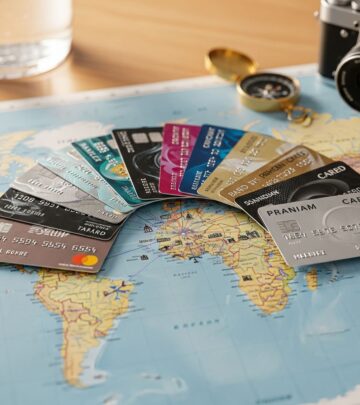
Best Travel Credit Cards For Bad Or Fair Credit
Unlock travel rewards even with bad or fair credit scores and maximize savings on your next trip.

Best Travel Credit Cards For People With Bad Or Fair Credit
Finding a travel credit card when your credit score has seen better days can feel like an uphill battle. Most premium travel rewards credit cards require a FICO score of 670 or higher, which eliminates many potential applicants. However, having a less-than-stellar credit history doesn’t mean you have to miss out on travel rewards entirely. With the right strategy and a careful selection of cards designed for your credit level, you can still earn valuable rewards toward travel expenses while simultaneously working to improve your credit score.
The key is understanding which cards cater to different credit profiles and what features matter most for your travel goals. Whether you’re looking to offset vacation costs, earn cash back on everyday purchases, or build a foundation for accessing premium travel cards in the future, there are legitimate options available. Limited credit options shouldn’t discourage you from seeking cards that align with your current financial situation and aspirations.
Understanding Credit Score Requirements For Travel Cards
Credit score requirements are one of the most important factors when applying for a travel credit card. Traditional travel rewards cards typically look for applicants with excellent credit—usually 750 or above—or at minimum good credit around 670 to 750. This creates a significant challenge for people working on rebuilding their credit or those who are new to credit.
Your FICO score determines which cards will approve you and what terms you’ll receive. If your score falls below 580, you’re in the “bad credit” range. Scores between 580 and 669 are considered “fair credit.” Understanding where you fall in this spectrum helps you focus your applications on cards that will actually accept you, reducing unnecessary hard inquiries that could further damage your score.
The good news is that secured credit cards and unsecured cards specifically designed for fair credit applicants have become increasingly sophisticated. These cards now offer competitive rewards structures that rival some standard cards, making them genuinely useful tools for both travel and everyday spending.
Top Travel Credit Cards For Bad To Fair Credit
Capital One QuicksilverOne Cash Rewards Credit Card
The Capital One QuicksilverOne stands out as an excellent option for those with no credit history or bad credit seeking hotel and rental car rewards. This card requires just a $39 annual fee—relatively modest compared to many alternatives. While it does require a credit deposit, it offers 1.5% cash back on all purchases, making it versatile for both travel and everyday expenses.
What makes this card particularly appealing is Capital One’s willingness to work with applicants across the credit spectrum. The company has built a reputation for approving people with challenged credit histories, and they report account activity to all three major credit bureaus, helping you build your credit profile with responsible use.
Credit One Bank® Wander® American Express® With Dining, Gas & Travel Rewards
If you have fair credit and want a card specifically designed around travel rewards, the Credit One Bank Wander card offers a dedicated travel focus. With a $95 annual fee, it provides rewards specifically for travel bookings, dining, and gas purchases. This card is ideal if your spending naturally clusters around these categories and you’re willing to pay the annual fee for category-specific bonuses.
This card works well for people with fair credit who take multiple trips annually or dine out frequently. The specialized rewards structure rewards your travel lifestyle more generously than flat-rate cards, potentially making the annual fee worthwhile depending on your usage patterns.
Bank of America® Travel Rewards Secured Credit Card
For those with bad credit seeking flat-rate rewards, the Bank of America Travel Rewards Secured Credit Card offers exceptional value. With zero annual fee and a deposit requirement, this card earns 3 points for each $1 spent when booking travel through the Bank of America Travel Center. This accelerated rate for travel purchases makes it powerful for people who actively book trips online.
The no annual fee structure is crucial for people managing tight budgets while rebuilding credit. Combined with the high earning rate for travel bookings, this card delivers genuine value without the burden of yearly costs. Additionally, Bank of America reports to all three credit bureaus, supporting your credit-building efforts.
Capital One Quicksilver Secured Cash Rewards Credit Card
Another Capital One option, the Quicksilver Secured Cash Rewards card, offers versatility with zero annual fee and a security deposit requirement. This flat-rate card appeals to people with bad credit who want simplicity—you earn the same rewards rate on every purchase regardless of category, making it straightforward to track and maximize your benefits.
The secured structure means Capital One holds a deposit as collateral, but this doesn’t diminish the rewards you earn. As you demonstrate responsible payment behavior, you may become eligible for an upgrade to an unsecured version, opening doors to better cards down the road.
Comparing Travel Cards For Bad And Fair Credit
| Card Name | Best For | Annual Fee | Credit Score Needed | Key Rewards |
|---|---|---|---|---|
| Capital One QuicksilverOne Cash Rewards Credit Card | Hotels and rental cars | $39 | No credit history | 1.5% cash back on all purchases |
| Credit One Bank® Wander® American Express® | Travel rewards | $95 | Fair credit | Category-specific bonuses for travel, dining, gas |
| Bank of America® Travel Rewards Secured Card | Flat-rate rewards | $0 | Bad credit | 3 points per $1 on travel bookings via BofA portal |
| Capital One Quicksilver Secured Card | Hotels and rental cars | $0 | Bad credit | Flat-rate cash back on all purchases |
How To Choose The Best Travel Card For Fair Or Bad Credit
Know Your Credit Score First
Before applying for any card, obtain your credit score. Knowing whether you’re in the bad (below 580) or fair (580-669) range determines which cards will realistically approve you. This knowledge prevents wasted applications that trigger hard inquiries and further damage your score. You can check your score through various free resources before submitting applications.
Understand Secured Versus Unsecured Options
With bad credit, secured cards are typically your best option. These require a refundable cash deposit that serves as collateral. The deposit amount often determines your credit limit, so a $500 deposit might yield a $500 limit. With fair credit, you have more flexibility and may qualify for unsecured cards that require no deposit.
Unsecured cards are appealing because you don’t tie up cash, but they may carry higher interest rates to compensate for the lender’s increased risk. Evaluate whether the rewards and features justify any higher costs.
Evaluate Credit-Building Features
Look for cards that explicitly report to all three major credit bureaus—Equifax, Experian, and TransUnion. This reporting is essential for your credit-building effort. Additionally, seek cards with upgrade paths to unsecured versions after demonstrating responsible use. Many issuers review accounts after 6-12 months and may convert secured accounts to unsecured ones, opening doors to better cards.
Compare Fee Structures Carefully
Annual fees vary significantly among cards designed for bad or fair credit. While a $39 or $95 fee might seem manageable, calculate whether the rewards you’ll earn justify the cost. For frequent travelers, category-specific rewards might offset higher fees. For casual users, zero-fee options provide better value.
Beyond annual fees, pay close attention to foreign transaction fees if you travel internationally or make purchases from overseas merchants. These fees compound quickly and can negate rewards benefits for international travel. Some cards charge 3% on foreign transactions while others charge nothing, creating significant differences in value.
Match The Card To Your Spending Patterns
Your travel profile should influence your choice. If you exclusively book through specific platforms, category-focused rewards might not help. If you travel occasionally and want simplicity, flat-rate cards make sense. If you travel frequently and dine out often, category-specific cards maximize your earnings.
Consider Future Card Goals
Think beyond today’s approval odds. Choose cards that report to credit bureaus and have upgrade paths. As your credit improves, you’ll want to graduate to better cards. Starting with a card from a major issuer like Capital One or Bank of America provides a foundation—these companies have clear upgrade paths and may offer better cards as your credit score climbs.
Why Airline-Specific Cards Are Challenging With Bad Credit
Many people with travel aspirations dream of airline-branded credit cards offering cabin upgrades and miles. However, these cards present significant hurdles for bad-credit applicants. Most airline cards require good to excellent credit and carry premium annual fees ranging from $95 to $450 or higher.
The combination of high credit requirements and substantial annual fees makes airline cards impractical for credit rebuilding. Paying $95-plus annually while trying to improve your financial profile contradicts smart financial management. Instead, focus on building your score with no-fee or low-fee options, then pursue premium airline cards once your credit improves.
Maximizing Rewards While Building Credit
Simply obtaining a travel card isn’t enough—you need a strategy to maximize rewards while responsibly using credit. First, treat your card like debit, spending only what you can pay off monthly. This responsible behavior significantly impacts your credit score through the payment history component, which accounts for 35% of your FICO calculation.
Second, keep your credit utilization ratio low by not maxing out your limit. Even if approved for a $500 limit, try to use less than 30% of available credit ($150) while paying the balance monthly. This demonstrates creditworthiness and rapidly improves your score.
Third, strategically use category bonuses or travel booking portals to accumulate rewards faster. If your card offers bonus categories, funnel eligible spending through these categories. If it offers an affiliated travel portal, book through that portal to earn maximum points.
Finally, keep every account open even after paying off balances. Account age and available credit history both impact your score positively. Closing old accounts can hurt your credit profile, so maintain relationships with issuers who approved you during your credit-building journey.
Avoiding Common Mistakes With Bad-Credit Travel Cards
When using cards designed for bad or fair credit, certain pitfalls can sabotage your progress. First, avoid carrying balances. The interest rates on these cards often exceed 25% annually, making revolving balances expensive. If you can’t pay your balance monthly, reconsider your spending level.
Second, don’t apply for multiple cards simultaneously. Each application generates a hard inquiry, temporarily reducing your score. Space applications 3-6 months apart to minimize this impact. Multiple inquiries in a short timeframe also signals desperation to lenders, reducing approval odds.
Third, avoid fees that exceed your rewards earnings. If a $95 annual fee card doesn’t earn you at least $95+ in rewards annually through your normal spending, the no-fee option serves you better. Crunch the numbers before committing.
Fourth, don’t ignore your credit reports. Check them annually through AnnualCreditReport.com for errors. Disputed items can be removed, potentially boosting your score. Legitimate negative marks disappear after seven years, so your credit will naturally improve over time with responsible behavior.
The Bottom Line: Travel Rewards Are Achievable With Bad Or Fair Credit
Having less-than-stellar credit doesn’t condemn you to missing travel perks. Numerous cards specifically designed for bad-to-fair credit offer genuine rewards and credit-building benefits. The key is selecting cards aligned with your credit profile, spending patterns, and fee tolerance, then using them responsibly to simultaneously earn rewards and improve your credit score.
As you demonstrate responsible use over 6-12 months, many issuers will review your account for potential upgrades to unsecured versions with better terms. This progression opens access to increasingly premium cards, eventually enabling you to pursue airline-specific cards or other premium travel cards as your credit reaches good or excellent status.
The journey from bad credit to excellent credit typically takes 18-24 months of consistent, responsible behavior. Starting with the right travel card designed for your current credit level accelerates this timeline while delivering immediate rewards benefits. Your next flight, hotel stay, or road trip doesn’t have to wait—the right card can make it more affordable today while building toward better financial opportunities tomorrow.
Frequently Asked Questions
What credit score do I need for a travel credit card?
Most premium travel cards require a FICO score of 670 or higher. However, many cards specifically cater to bad credit (below 580) and fair credit (580-669) ranges. If your score is below 670, focus on cards explicitly designed for lower credit tiers rather than applying for premium cards that will likely reject you.
What’s the difference between secured and unsecured travel cards?
Secured cards require a refundable cash deposit that serves as collateral and typically determines your credit limit. Unsecured cards require no deposit but may have higher interest rates. With bad credit, secured cards are often the only approval path. With fair credit, both options may be available.
Will using a travel card help build my credit?
Yes, if the issuer reports to all three credit bureaus and you use the card responsibly. Making on-time payments and keeping your utilization ratio low demonstrates creditworthiness, gradually improving your score. Most people see meaningful improvement within 6-12 months of consistent responsible use.
Should I pay the annual fee if I don’t travel frequently?
Only if the card’s rewards justify it. Calculate whether you’ll earn at least as much in rewards as the annual fee. If you travel just once or twice yearly, a zero-fee card likely serves you better than one with a $95 annual charge that requires significant spending to offset.
Can I upgrade from a secured to unsecured card?
Many issuers, including Capital One and Bank of America, have formal upgrade paths. After demonstrating 6-12 months of responsible behavior, you can request an account review. If approved for an upgrade, your security deposit is returned and your card converts to an unsecured account with potentially better terms.
What should I avoid when using a bad-credit travel card?
Avoid carrying balances—the interest rates exceed 25% annually. Avoid applying for multiple cards simultaneously, as each application triggers a hard inquiry. Avoid cards where the annual fee exceeds potential rewards. Avoid making purchases you can’t pay off monthly. These mistakes undermine credit-building efforts and cost money unnecessarily.
How do I maximize travel rewards with bad-credit cards?
Treat your card like debit, spending only what you can pay off monthly. Use category bonuses strategically. Book travel through affiliated portals when available. Keep your utilization ratio below 30%. Pay all bills on time, every time. As your credit improves, you’ll graduate to cards with better rewards, so focus on credit-building during this phase.
Are there zero-fee travel cards for bad credit?
Yes. Both Capital One Quicksilver Secured and Bank of America Travel Rewards Secured cards offer zero annual fees. These no-fee options are ideal for people on tight budgets or those who prefer maximizing rewards without paying yearly charges.
References
- Best Travel Credit Cards For People With Bad Or Fair Credit — Bankrate. 2025-11-29. https://www.bankrate.com/credit-cards/travel/travel-credit-cards-bad-fair-credit/
- Best Credit Cards for Bad Credit in November 2025 — Bankrate. 2025-11-29. https://www.bankrate.com/credit-cards/bad-credit/best-for-bad-credit/
- Best Travel Credit Cards of November 2025 — Bankrate. 2025-11-29. https://www.bankrate.com/credit-cards/travel/best-travel-cards/
- Understanding FICO Credit Scores — Fair Isaac Corporation (FICO). Retrieved November 2025. https://www.myfico.com/credit-education/credit-scores
- Secured Credit Cards and Credit Building — U.S. Consumer Financial Protection Bureau. 2024. https://www.consumerfinance.gov/
Similar Articles








Read full bio of medha deb