Best Term Life Insurance: Top Policies & Coverage Guide
Compare top-rated term life insurance policies and find affordable coverage for your family.

Term life insurance is one of the most straightforward and cost-effective ways to protect your family’s financial future. Unlike permanent life insurance policies that last your entire lifetime, term life insurance provides coverage for a specific period—typically 10, 20, or 30 years. During this term, if you pass away, your beneficiaries receive a death benefit that can help cover mortgage payments, daily expenses, outstanding debts, and education costs. This guide explores the best term life insurance options available and helps you understand how to select the right coverage for your needs.
Understanding Term Life Insurance Basics
Term life insurance is a type of life insurance policy that provides death benefit coverage for a predetermined period. The three most common term lengths are 10-year, 20-year, and 30-year terms, though some insurers offer 15-year and 40-year options. The fundamental appeal of term life insurance lies in its simplicity and affordability compared to whole life or universal life insurance policies.
When you purchase a term life insurance policy, you pay a monthly or annual premium in exchange for coverage. If you die during the term of the policy, your beneficiaries receive the full death benefit tax-free. However, if you outlive the term, the policy expires, and no benefit is paid. This is why term life insurance is significantly cheaper than permanent life insurance—the insurance company assumes less risk because the coverage is limited to a specific timeframe.
Key Features of Term Life Insurance:
- Fixed Premium: Your monthly payment remains the same throughout the policy term
- Level Death Benefit: The death benefit amount stays consistent for the entire term
- Simplified Underwriting: Most term policies require basic health screening rather than extensive medical exams
- Convertibility Option: Many term policies can be converted to permanent coverage without new medical underwriting
- Affordability: Term life insurance typically costs 60-80% less than equivalent permanent coverage
How to Choose the Right Term Length
Selecting the appropriate term length is one of the most important decisions when purchasing term life insurance. The right choice depends on your financial obligations, age, and long-term goals.
10-Year Term:
A 10-year term is ideal for individuals who have minimal outstanding debts or financial obligations and expect to be self-sufficient within a decade. This option offers the lowest premiums but may leave your family vulnerable if you develop health issues after the term expires and need additional coverage.
20-Year Term:
The 20-year term strikes a balance between affordability and adequate protection. It’s well-suited for younger professionals with mortgages, young children, or significant student loan debt. By age 45 or 55, many financial obligations are reduced, making this term practical for most families.
30-Year Term:
A 30-year term provides the most comprehensive protection, especially for younger individuals. It covers you through your peak earning and child-rearing years, ensuring protection until your 60s or beyond if purchased in your 30s. While premiums are higher than shorter terms, they remain significantly cheaper than permanent insurance.
Coverage Amount Considerations
Determining how much coverage you need requires a thorough assessment of your financial situation. Most financial advisors recommend coverage equal to 8-12 times your annual income, though individual circumstances vary.
Factors to Calculate Your Coverage Needs:
- Mortgage balance and other outstanding debts
- Annual household expenses and cost of living
- Dependent children’s education costs
- Spouse’s income and earning potential
- Existing savings and assets
- Final expenses (funeral, medical bills)
- Childcare costs if your spouse must work more hours
A comprehensive needs analysis helps ensure your family maintains their standard of living if you die during the coverage period. Many life insurance companies offer free online calculators to help you estimate appropriate coverage levels.
Top-Rated Term Life Insurance Companies
The life insurance market includes numerous reputable providers offering competitive rates and excellent customer service. When selecting an insurer, consider financial stability ratings, customer reviews, ease of the application process, and policy flexibility.
Leading Term Life Insurance Providers:
| Insurance Company | Strengths | Best For |
|---|---|---|
| Term4Sale | Competitive rates, simplified underwriting, fast approval | Quick coverage, budget-conscious buyers |
| PolicyGenius | User-friendly platform, comparison tools, expert support | First-time buyers, comparison shopping |
| SelectQuote | Multiple carrier options, personalized quotes, no-obligation comparisons | Those seeking multiple options |
| Fabric | Fast online application, affordable rates, financial planning tools | Tech-savvy buyers, younger demographic |
| Haven Life | Backed by MassMutual, competitive pricing, reliable service | Those wanting established company backing |
Types of Term Life Insurance Policies
Not all term policies are identical. Understanding different types helps you select one matching your specific needs and circumstances.
Level Term Insurance
The most common type of term insurance, level term provides a consistent death benefit throughout the policy term. Your premium remains fixed, making budgeting predictable and straightforward. This is the ideal choice for most consumers seeking reliable, affordable protection.
Decreasing Term Insurance
In a decreasing term policy, the death benefit declines annually while premiums remain fixed. This type is useful for covering specific debts like a mortgage that decreases over time. However, it’s less common than level term and may not provide adequate protection as your family’s needs evolve.
Guaranteed Issue Term Insurance
Guaranteed issue policies don’t require medical underwriting and accept applicants regardless of health status. These policies have higher premiums and lower maximum coverage limits but are valuable for individuals with serious health conditions who cannot qualify for standard term insurance.
Factors Affecting Term Life Insurance Rates
Your term life insurance premium depends on several factors. Understanding these helps you anticipate costs and potentially secure better rates.
Primary Rate Factors:
- Age: Younger applicants pay significantly lower premiums; rates increase with age
- Health Status: Non-smokers receive substantially better rates; pre-existing conditions may increase costs
- Tobacco Use: Smokers pay 2-3 times more than non-smokers for equivalent coverage
- Medical History: Serious illnesses like heart disease or cancer may result in higher premiums or denial
- Occupation: Dangerous occupations receive higher rates due to increased risk
- Gender: Women typically pay less because actuarial data shows longer life expectancy
- Lifestyle: Hazardous hobbies or activities may affect your rates
- Coverage Amount: Higher death benefits result in higher premiums
The Application and Underwriting Process
The application process varies depending on the coverage amount and your health profile. Understanding what to expect helps streamline the process and ensures faster approval.
Simplified Underwriting
For lower coverage amounts (typically under $500,000), simplified underwriting requires minimal health information. You answer basic health questions, and approval often occurs within days without medical exams.
Standard Underwriting
Higher coverage amounts trigger standard underwriting, which includes a medical exam. The insurer may require blood tests, urinalysis, or additional health records. This process typically takes 2-6 weeks.
Full Underwriting
Very high coverage amounts or complex medical histories may require extensive underwriting, potentially including physician reports or additional medical testing. This process can take several weeks.
Tips for Getting the Best Rates
Several strategies can help you secure the most favorable term life insurance rates.
- Get Multiple Quotes: Compare quotes from at least 3-5 different insurers to find competitive pricing
- Quit Smoking: Non-smoker rates are dramatically lower; if you’re ready to quit, the savings may motivate you
- Improve Health: Lose weight, exercise regularly, and manage chronic conditions to qualify for better rates
- Choose Longer Terms Early: Lock in rates while young; renewing coverage after age 50 costs significantly more
- Consider Online Platforms: Direct online insurers often have lower overhead, translating to better rates
- Be Honest on Applications: Inaccurate information can result in policy cancellation or claim denial
- Optimize Coverage Amount: Calculate realistic needs; excessive coverage drives up unnecessary costs
Term Life Insurance vs. Permanent Coverage
Understanding the differences between term and permanent life insurance helps you make informed decisions about which type suits your situation best.
Term life insurance provides pure death benefit protection for a fixed period at affordable rates. It’s ideal for most people seeking temporary protection for specific financial obligations. However, coverage terminates when the term expires.
Permanent life insurance (whole life or universal life) provides lifetime coverage with a cash value component. Premiums are significantly higher—often 8-10 times more than term insurance—but coverage never expires. Permanent insurance is best for those with substantial estates or lifelong care needs.
Common Mistakes to Avoid
Being aware of common pitfalls helps you make better decisions and avoid costly errors.
- Underestimating Coverage Needs: Purchasing insufficient coverage leaves your family vulnerable; perform thorough needs analysis
- Waiting Too Long: Premiums increase significantly with age; purchasing coverage in your 30s or 40s is far cheaper than waiting
- Ignoring Policy Riders: Valuable add-ons like accelerated death benefits can enhance protection at minimal cost
- Settling for First Quote: Shopping around typically reveals significant premium differences among insurers
- Not Converting Coverage: If you approach the end of your term, converting to permanent insurance is often cheaper than new coverage
Frequently Asked Questions (FAQs)
Q: Can I convert my term life insurance to permanent coverage?
A: Yes, most term policies include a conversion option allowing you to convert to permanent coverage without medical underwriting. This is beneficial if your health has declined or you determine lifelong coverage is necessary.
Q: What happens if I survive my term life insurance policy?
A: If you outlive your term, the policy expires and coverage ends. No death benefit is paid. Some policies include renewal options allowing you to renew coverage, though premiums will be higher based on your current age.
Q: How much term life insurance coverage do I actually need?
A: Most experts recommend 8-12 times your annual income, though individual needs vary. Calculate specific obligations including mortgage, debts, education costs, and daily living expenses to determine your precise coverage needs.
Q: Can I get term life insurance with a pre-existing condition?
A: Yes, but you may pay higher premiums or face coverage limitations. Guaranteed issue policies don’t require medical underwriting but have higher costs and lower maximum benefits. Shop multiple insurers as underwriting standards vary significantly.
Q: Is term life insurance renewable if I can’t convert it?
A: Most term policies offer guaranteed renewable options allowing you to renew when your term expires. However, renewal premiums are recalculated based on your current age and health, resulting in significantly higher costs.
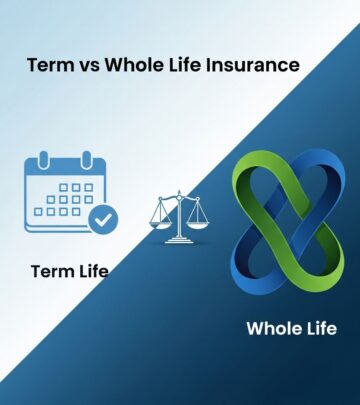
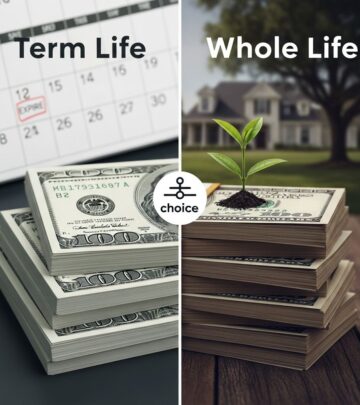
Q: What’s the difference between term and whole life insurance?
A: Term insurance covers a specific period with fixed premiums and no cash value, while whole life provides lifetime coverage with cash value buildup and significantly higher premiums. Term is ideal for temporary protection; whole life suits permanent coverage needs.
Q: How quickly can I get term life insurance approved?
A: Simplified underwriting can result in approval within days, while standard underwriting typically takes 2-6 weeks. Full underwriting for high coverage amounts may take several weeks. Online insurers often provide faster approval than traditional carriers.
References
- Life Insurance Needs Analysis — U.S. Insurance Information Institute. 2024. https://www.iii.org/article/life-insurance-needs-analysis
- Consumer Guide to Life Insurance — National Association of Insurance Commissioners (NAIC). 2024. https://www.naic.org/consumer-resources
- Term Life Insurance Rates and Pricing Factors — Society of Actuaries. 2024. https://www.soa.org
- Financial Security: Life Insurance Planning — Federal Reserve Financial Services. 2023. https://www.federalreserve.gov
- Life Insurance Underwriting Standards — American Council of Life Insurers. 2024. https://www.acli.org
Similar Articles








Read full bio of medha deb