Best Small SUVs of 2025: Top Picks & Reviews
Discover the best small SUVs of 2025 with expert reviews, pricing, and comparisons.
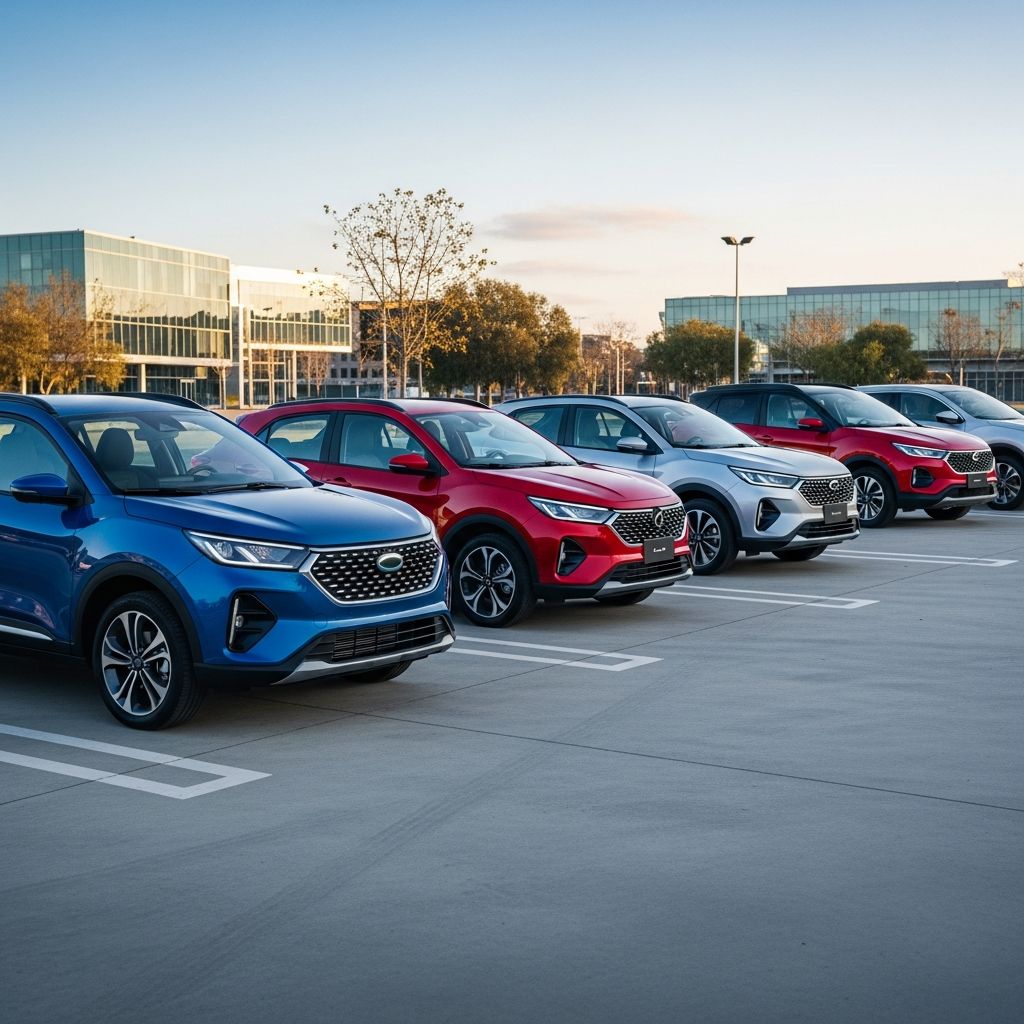
The Best Small SUVs of 2025
The small SUV segment continues to dominate the automotive market, offering buyers a perfect balance of affordability, practicality, and style. Whether you’re looking for fuel efficiency, advanced technology, or superior handling, the 2025 model year delivers exceptional options across various price points. This comprehensive guide explores the top-rated small SUVs available today, helping you make an informed decision for your next vehicle purchase.
Best Overall Small SUV: Hyundai Tucson
The Hyundai Tucson stands out as the best small SUV for the money in 2025, combining value, features, and reliability in one attractive package. This stylish crossover has earned widespread recognition from automotive experts and consumers alike, making it a top choice for buyers seeking a well-rounded vehicle. The Tucson’s appeal lies in its comprehensive feature set, spacious cabin, and competitive pricing strategy.
Starting at $30,200, the Hyundai Tucson offers impressive value with a modern, upscale interior that rivals more expensive competitors. The vehicle comes equipped with multiple engine options, allowing buyers to choose between standard and hybrid powertrains based on their priorities. The cabin features high-quality materials, comfortable seating for five passengers, and a user-friendly infotainment system with a large touchscreen display. Additionally, Hyundai offers smartphone integration through its Digital Key feature, enabling convenient unlocking and engine start capabilities directly from your mobile device.
The Tucson delivers a generous cargo capacity of approximately 39.6 cubic feet behind the rear seats, providing ample space for luggage, groceries, and recreational equipment. Fuel economy ranges from 26-28 combined miles per gallon, depending on drivetrain selection and engine option. The Hyundai Tucson receives praise for its comfortable ride quality, intuitive controls, and extensive warranty coverage, which typically includes seven years or 100,000 miles of bumper-to-bumper protection.
Premium Choice: Cadillac XT4
The Cadillac XT4 represents a compelling option for buyers seeking a premium small SUV experience without the astronomical price tag of luxury vehicles from European manufacturers. This upscale crossover delivers refined styling, a sophisticated cabin, and advanced technology features that elevate the driving experience. The XT4 caters to discerning consumers who value brand prestige and interior quality.
The XT4’s interior showcases premium materials including leather upholstery, soft-touch plastics, and elegant design elements throughout the cabin. Advanced infotainment technology includes an intuitive touchscreen system with smartphone integration capabilities. Safety features are comprehensive, with available driver assistance systems and collision avoidance technology providing peace of mind on every journey. The vehicle’s refined turbocharged engine delivers adequate power for confident highway merging and acceleration, while maintaining reasonable fuel economy.
With competitive pricing in the luxury segment, the XT4 offers an alternative to traditional luxury automakers while providing the comfort and technology expected from premium brands. The stylish exterior design turns heads, featuring modern LED lighting, sleek body lines, and distinctive Cadillac design cues that distinguish it from mainstream competitors.
Best Value: Kia Sportage
The Kia Sportage earns recognition as one of the best value-oriented small SUVs available in 2025, delivering impressive features and reliability at an accessible price point. Starting at $28,785, the Sportage provides exceptional bang for your buck, offering substantial interior space, modern technology, and strong build quality that typically commands higher prices in this segment.
The Sportage’s five-passenger cabin provides abundant room for families and offers high-end features including synthetic leather upholstery, heated front seats, and a sizable 12.3-inch touchscreen infotainment system. The vehicle boasts one of the largest cargo capacities in its class, with 39.6 cubic feet of storage space behind the rear seats. Kia has received the fewest owner complaints among competitors in this category, according to the latest J.D. Power Initial Quality Study, indicating strong manufacturing quality and customer satisfaction.
Fuel economy ranges from 25-28 combined miles per gallon, providing reasonable efficiency for daily commuting. The X-Line trim, starting at $31,090, adds standard all-wheel drive capability, rain-deflecting wipers, and remote engine start functionality. J.D. Power has specifically recognized the Sportage for its exceptional value retention, making it an intelligent choice for buyers concerned about long-term resale value. The combination of affordable pricing, excellent features, and proven reliability makes the Kia Sportage an outstanding choice for budget-conscious shoppers.
Performance Champion: Mazda CX-5
The Mazda CX-5 dominates the small SUV category when it comes to handling and driving dynamics, delivering a driving experience that rivals sporty sedans rather than traditional crossovers. This performance-oriented small SUV proves that compact vehicles don’t have to sacrifice fun and engagement for practicality. The CX-5 attracts enthusiasts who prioritize responsive steering and nimble handling characteristics.
The CX-5 accelerates from zero to sixty miles per hour in just over six seconds, providing quick merging and highway passing capability compared to most competing compact SUVs. The agile steering responds intuitively to driver inputs, while the well-tuned suspension delivers a balanced ride quality that combines comfort with sporty feedback. The stylish interior features premium materials and a roomy five-passenger cabin with a 10.25-inch touchscreen display, larger than most competitors in the category.
Starting at $33,000 for the 2.5 S Premium trim, the CX-5 comes equipped with leather trim, heated front seats, and advanced safety technologies. The standard 2.5-liter engine produces 186 horsepower and achieves 24-30 miles per gallon depending on driving conditions and transmission type. An available turbocharged engine provides additional power for those seeking enhanced performance. The primary trade-off involves cargo capacity, as the CX-5 offers 29.1 cubic feet behind the rear seats, slightly less than some competitors. For drivers prioritizing driving enjoyment and responsive handling, the Mazda CX-5 represents an excellent choice.
Reliability Favorite: Honda HR-V
The Honda HR-V earns high marks for reliability, cost of ownership, and resale value, making it an ideal choice for practical buyers seeking long-term value. This subcompact crossover delivers proven Honda engineering and dependability that has resonated with consumers for generations. The HR-V represents an excellent option for first-time SUV buyers and those prioritizing low maintenance costs.
The HR-V features a smoother, quieter ride compared to many competitors, largely attributable to its simple, well-proven engine design that emphasizes reliability over raw power. The vehicle maintains an outstanding safety rating from major independent testing organizations, while offering one of the lowest costs of repair and ownership in its segment. Honda’s strong reputation for durability means fewer unexpected repairs and lower maintenance expenses throughout the vehicle’s lifespan.
The practical interior accommodates five passengers comfortably, with a reasonable cargo area for a subcompact vehicle. Honda’s infotainment system provides intuitive controls and smartphone integration, while the overall cabin design prioritizes functionality over luxury. The HR-V’s exceptional resale value means buyers recover a higher percentage of their initial investment when trading or selling, improving the overall financial equation of ownership. For budget-minded consumers and those concerned about long-term reliability, the Honda HR-V stands out as a sensible selection.
Best for Versatility: Subaru Crosstrek
The Subaru Crosstrek delivers excellent all-around capability, providing a blend of practical features that appeal to diverse buyer preferences. This small crossover excels at balancing performance, efficiency, and functionality, making it suitable for almost any type of buyer seeking a well-rounded vehicle. The Crosstrek’s reputation for quality construction and comprehensive engineering appeals to those valuing durability and versatility.
The Crosstrek features excellent build quality throughout its construction, with materials and assembly that reflect Subaru’s commitment to longevity. The vehicle provides strong visibility characteristics, making it easier for drivers to navigate traffic and parking situations with confidence. Standard all-wheel drive on most models enhances traction and stability in various weather conditions, providing additional safety benefits beyond rear-wheel or front-wheel-drive competitors.
The cabin offers comfortable seating and intuitive controls, with a modern infotainment system providing essential connectivity features. The smooth, refined driving experience stems from the simple, proven engine technology that emphasizes reliability and longevity over aggressive performance metrics. For buyers seeking a dependable crossover that performs well in diverse conditions and requires minimal maintenance concerns, the Subaru Crosstrek presents an attractive option.
Luxury Alternative: Mazda CX-30
The Mazda CX-30 provides a smaller, more refined alternative to larger small SUVs, appealing to urban dwellers and those preferring nimble, manageable vehicles. This premium subcompact crossover combines stylish design with upscale interior appointments, delivering a more luxurious experience than traditional compact crossovers. The CX-30 attracts buyers willing to sacrifice some cargo space for enhanced elegance and driving refinement.
For slightly more money than some competitors, the CX-30 delivers a more upscale cabin aesthetic with premium materials and thoughtful design touches. The vehicle provides better interior space and superior visibility compared to similarly-sized competitors, enhancing the overall driving experience. The engaging driving dynamics characteristic of the Mazda brand translate effectively to this smaller platform, delivering responsive steering and balanced handling that makes commuting more enjoyable.
The stylish exterior design appeals to fashion-conscious buyers seeking a vehicle that makes a statement on city streets. The modern infotainment system, comfortable seating, and premium audio options elevate the overall experience. For urban professionals and those prioritizing style and refinement over maximum cargo capacity, the Mazda CX-30 represents an excellent choice.
Comparison Table: Key Features and Specifications
| Model | Starting Price | Fuel Economy | Cargo Capacity | Best For |
|---|---|---|---|---|
| Hyundai Tucson | $30,200 | 26-28 MPG | 39.6 cu ft | Value & Features |
| Kia Sportage | $28,785 | 25-28 MPG | 39.6 cu ft | Budget Buyers |
| Mazda CX-5 | $33,000 | 24-30 MPG | 29.1 cu ft | Performance |
| Honda CR-V | $31,550 | 28-30 MPG | 40.3 cu ft | Reliability |
| Cadillac XT4 | $33,500+ | 24-26 MPG | 38.0 cu ft | Luxury Features |
Key Considerations When Choosing a Small SUV
Budget and Pricing: Small SUVs range from under $28,000 to over $35,000 for well-equipped models. Determine your maximum budget before shopping, considering both the purchase price and potential financing costs through loans or leasing arrangements.
Fuel Economy: Modern small SUVs typically achieve between 24-30 miles per gallon combined, varying based on engine type, drivetrain, and driving conditions. Hybrid options provide enhanced efficiency for those prioritizing fuel savings.
Cargo Capacity: Cargo needs vary significantly between buyers. The difference between models ranges from approximately 29-40 cubic feet, representing a meaningful distinction for those transporting large items regularly.
Safety Features: Modern small SUVs include comprehensive safety technologies such as automatic emergency braking, lane-keeping assist, and blind-spot monitoring. Verify that your preferred model includes NHTSA or IIHS safety ratings meeting your standards.
Interior Quality: Material quality, ergonomic design, and overall cabin ambiance significantly impact daily satisfaction. Test-drive vehicles to evaluate interior comfort and controls intuitively.
Reliability and Warranty: Research reliability ratings and manufacturer warranty coverage. Japanese brands typically offer strong reputations for durability, while Korean manufacturers increasingly match traditional leaders.
Frequently Asked Questions
Q: What is the most affordable small SUV in 2025?
A: The Kia Sportage offers one of the most competitive starting prices at $28,785, providing substantial features and value at a budget-friendly price point. The Hyundai Tucson and Chevrolet Equinox also offer accessible pricing options.
Q: Which small SUV has the best fuel economy?
A: The Honda CR-V leads in fuel economy with 28-30 combined miles per gallon, followed closely by the Hyundai Tucson at 26-28 mpg. Hybrid versions of several models provide even greater efficiency for those prioritizing fuel savings.
Q: Are small SUVs good for families?
A: Yes, small SUVs accommodate five passengers comfortably and offer practical cargo space for family activities. The Kia Sportage and Hyundai Tucson particularly excel for family use with their spacious cabins and comprehensive safety features.
Q: Which small SUV offers the best handling?
A: The Mazda CX-5 stands out for its responsive steering and agile handling, delivering a more engaging driving experience than traditional crossovers. Its performance characteristics appeal to drivers prioritizing driving enjoyment.
Q: Should I choose all-wheel drive or front-wheel drive?
A: All-wheel drive provides enhanced traction in snow, rain, and off-road conditions but reduces fuel economy and increases cost. Front-wheel drive suits most buyers in moderate climates seeking better fuel efficiency and lower prices.
Q: What warranty coverage do small SUVs typically include?
A: Most manufacturers offer three-year/36,000-mile basic warranties and five-year/60,000-mile powertrain warranties. Hyundai and Kia typically extend coverage to seven years/100,000 miles, providing more comprehensive protection.
Q: How do small SUVs compare to sedans for daily commuting?
A: Small SUVs offer elevated driving positions, better visibility, and more cargo space than sedans, though they typically achieve slightly lower fuel economy. For urban and suburban commuting, small SUVs provide superior practicality.
Q: Which small SUV has the lowest cost of ownership?
A: The Honda HR-V and Honda CR-V lead in affordability through lower maintenance costs, excellent reliability, and strong resale values. Japanese brands generally offer lower long-term ownership costs compared to domestic alternatives.
References
- The Best Small SUVs of 2025 — Money Magazine. 2025-11-29. https://money.com/best-small-suvs/
- Best Compact SUVs for 2025 and 2026, Tested — Car and Driver. 2025-11-29. https://www.caranddriver.com/rankings/best-suvs/compact
- The Best Compact SUVs — Money Magazine. 2023-11-29. https://money.com/best-compact-suvs/
- What’s the Best SUV Under $40,000? We Tested 10 of Them — Edmunds. 2025-11-29. https://www.edmunds.com/car-news/best-small-suv-under-40000-comparison-test-video.html
- Top 5 BEST & 5 WORST Small SUVs For 2025 — Car Help Corner. 2025-08-31. https://www.youtube.com/watch?v=Vhu0un17pjQ
Similar Articles








Read full bio of medha deb