Best Small Dog Breeds for Every Lifestyle
Discover the perfect small dog breed for your home and lifestyle needs.
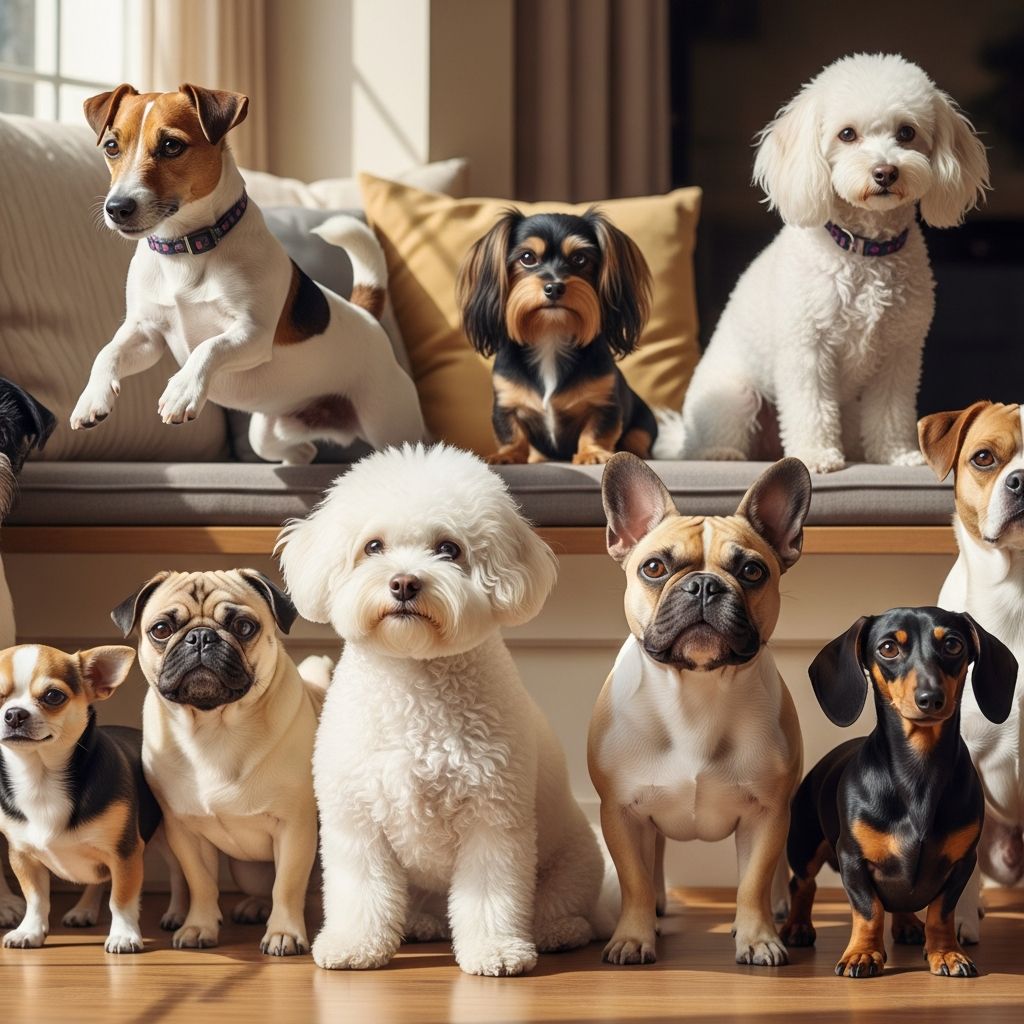
Choosing the right dog breed is an important decision that can significantly impact your lifestyle and living situation. Small dog breeds have become increasingly popular, especially for individuals and families living in apartments or smaller homes. These compact companions offer the joy and loyalty of larger dogs while requiring less space and, often, less exercise. Whether you’re looking for an active playmate, a lap dog for cuddles, or a low-maintenance companion, there’s a small breed that perfectly suits your needs.
Understanding Small Dog Breeds
Small dog breeds typically weigh between 5 to 25 pounds and are often classified as toy or miniature breeds. Despite their diminutive size, many small dogs possess big personalities and distinct characteristics that make them suitable for various living situations. These breeds often have longer lifespans compared to larger dogs, sometimes living 12 to 16 years or more, providing you with years of companionship.
Top Small Dog Breeds to Consider
Poodle
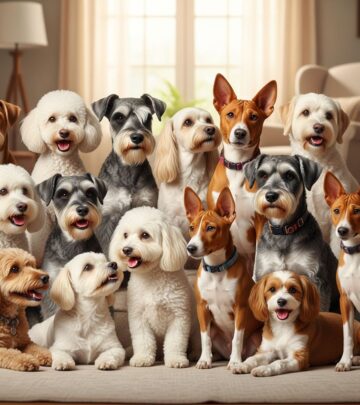
The Poodle, available in miniature and toy sizes, is renowned for its intelligence and trainability. Poodles are hypoallergenic dogs with curly coats that require regular grooming to prevent matting. These active and athletic dogs enjoy both mental and physical stimulation, making them excellent choices for owners who can provide consistent exercise and training. Their affectionate nature and eagerness to please make them wonderful family companions.
Maltese
The Maltese is a gentle and affectionate small breed known for its stunning white coat and sweet temperament. These diminutive dogs weigh only 2 to 7 pounds and are perfect for apartment living. Maltese dogs are known for being excellent lap dogs that thrive on human companionship. They require regular grooming to maintain their silky coat and enjoy moderate exercise through daily walks and indoor play.
Shih Tzu
The Shih Tzu is a charming and adorable breed with a lovely, extroverted personality that most families adore. These dogs love people, especially those close to them, and make excellent companions for well-mannered children. Shih Tzus are typically recommended for families with children older than five years due to their delicate size. They are relatively low-energy dogs that enjoy short walks and indoor play, making them ideal for apartment dwellers.
Yorkshire Terrier
Yorkies are high-energy and fun-loving dogs that make great family companions. Originally bred for hunting small game like mice, Yorkshire Terriers possess a fiery and friendly disposition. These tiny terriers, weighing only about 7 pounds, get along well with both larger dogs and young children. Their spirited nature and loyalty make them cherished small dog breeds that bring joy and entertainment to their families.
Pomeranian
Pomeranians, or “poms” as they’re affectionately called, are cute, fluffy companion dogs known for their small size and big personalities. These intelligent dogs are highly trainable and make great family pets. However, they do have a tendency to be a bit noisy and shed more than most dogs, so expect to give their silky coat extra attention through regular brushing and grooming sessions.
Pug
Pugs are tiny dogs with short coats and big hearts, making them excellent companions for apartment living. These low-maintenance, lazy dogs are content with cuddles and require very little in terms of exercise needs. Pugs relate well with kids and are outgoing and playful, yet their compact size and calm demeanor make them perfect for those seeking a relaxed companion. It’s important to note that Pugs cannot tolerate hot temperatures, so climate control is essential in warmer regions.
Other Popular Small Dog Breeds
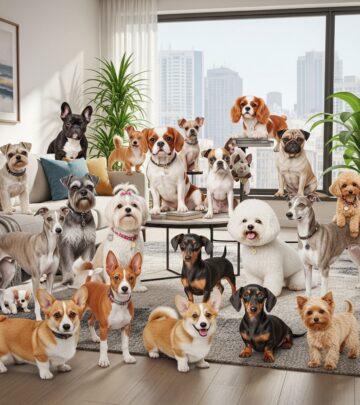
Beyond the top six breeds, there are numerous other small dog breeds worth considering:
- Dachshund
- Havanese
- Beagle
- French Bulldog
- Papillon
- Chihuahua
- Bichon Frise
- Boston Terrier
- Affenpinscher
- Cavalier King Charles Spaniel
- Corgi
- Fox Terrier
- Bolognese
- Italian Greyhound
- Miniature Schnauzer
Comparing Small Dog Breeds
| Breed | Weight Range | Life Expectancy | Energy Level | Best For |
|---|---|---|---|---|
| Poodle | 4-15 lbs (Toy) | 12-15 years | High | Active families, trainable companion |
| Maltese | 2-7 lbs | 12-15 years | Low to Moderate | Apartment dwellers, lap dog seekers |
| Shih Tzu | 9-16 lbs | 10-18 years | Low to Moderate | Families with older children |
| Yorkshire Terrier | 4-7 lbs | 12-15 years | High | Active families, playful households |
| Pomeranian | 3-7 lbs | 12-16 years | High | Families willing to groom regularly |
| Pug | 14-18 lbs | 12-15 years | Low | Apartment living, low-maintenance seekers |
Choosing the Right Small Dog Breed for Your Lifestyle
For Apartment Living
If you live in an apartment, breeds like Pugs, Maltese, and Shih Tzus are excellent choices. These breeds have lower exercise requirements and are content with indoor play and short walks. They tend to be quieter than some other small breeds and adapt well to limited space.
For Active Families
If you have an active lifestyle, consider Poodles or Yorkshire Terriers. These high-energy breeds require regular exercise and mental stimulation. They’re perfect for families who enjoy outdoor activities and have time for training and play sessions.
For Families with Children
Breeds like Cavalier King Charles Spaniels, Cocker Spaniels, and Beagles are known for their gentle and patient nature with children. These breeds are social, affectionate, and typically enjoy interactive play. However, always supervise interactions between small dogs and very young children.
For Low-Maintenance Owners
If you prefer a low-maintenance companion, Pugs and some smaller Poodles are ideal choices. These breeds require less grooming than long-haired varieties and have modest exercise needs, making them perfect for busy individuals.
Care Considerations for Small Dog Breeds
Grooming Needs
Small dog breeds vary significantly in their grooming requirements. Breeds like Poodles and Malteses have continuously growing coats that require regular professional grooming every 4 to 8 weeks. Pomeranians shed considerably and need frequent brushing to manage their silky coats. Short-haired breeds like Pugs require minimal grooming beyond regular nail trimming and occasional baths.
Exercise Requirements
While small dogs generally require less exercise than larger breeds, their individual energy levels vary considerably. High-energy breeds like Poodles and Yorkshire Terriers need daily walks and playtime, while low-energy breeds like Pugs and Malteses are content with short indoor play sessions and brief walks.
Training and Socialization
Small dogs benefit tremendously from early socialization and training. Many small breeds are intelligent and eager to please, making them responsive to positive reinforcement training methods. Starting training early helps prevent behavioral issues and ensures your small dog grows into a well-mannered companion.
Health Considerations
Small dog breeds are prone to certain health issues, including dental problems, patellar luxation, and heart conditions. Regular veterinary checkups, proper nutrition, and preventative care are essential for maintaining your small dog’s health and longevity.
Frequently Asked Questions
Q: What is the smallest dog breed?
A: The Chihuahua is one of the smallest dog breeds, typically weighing 1 to 3 pounds and standing 6 to 9 inches tall. These tiny dogs pack big personalities into their compact frames.
Q: Which small dog breeds are best for first-time owners?
A: Poodles, Maltese, and Pugs are excellent choices for first-time dog owners. They’re relatively easy to train, adaptable, and have well-established breed standards that help owners understand their needs.
Q: Do small dog breeds require less exercise than large dogs?
A: Generally, yes. However, exercise requirements vary by breed. Some small breeds like Poodles have high energy levels and require significant daily exercise, while others like Pugs need only minimal activity.
Q: Are small dog breeds good for families with children?
A: Many small dog breeds are excellent family pets. However, some breeds are better suited for families with older children due to their fragility. Always choose a breed known for patience and gentleness around young children.
Q: How long do small dog breeds typically live?
A: Small dog breeds generally have longer lifespans than larger breeds, typically living 12 to 16 years or more with proper care and veterinary attention.
Q: Which small dog breeds are hypoallergenic?
A: Poodles, Maltese, and Bichon Frises are considered hypoallergenic or low-shedding breeds, making them better choices for allergy sufferers.
Q: What is the most popular small dog breed?
A: The Chihuahua and French Bulldog are among the most popular small dog breeds due to their distinctive appearances and adaptability to various living situations.
Making Your Final Decision
Selecting the perfect small dog breed requires careful consideration of your lifestyle, living situation, and personal preferences. Consider factors such as energy level, grooming requirements, trainability, and temperament with children. Visit breed clubs, meet breeders, and spend time with different breeds before making your final decision. Once you’ve found the right match, you’ll discover that small dog breeds offer tremendous love, companionship, and joy in a compact, manageable package.
References
- American Kennel Club – Toy Group Breeds — The American Kennel Club. 2025. https://www.akc.org/dog-breeds/toy/
- American Kennel Club – Small Dog Breed Standards — The American Kennel Club. 2025. https://www.akc.org/
- Companion Animal Medicine — College of Veterinary Medicine, University of Illinois. 2024. https://vetmed.illinois.edu/
- Small Animal Internal Medicine — American College of Veterinary Internal Medicine. 2024. https://www.acvim.org/
- International Dog Health and Breed Information — Federation Cynologique Internationale. 2025. https://www.fci.be/
Similar Articles








Read full bio of Sneha Tete