Best Skills for Resumes: Hard & Soft Skills
Master the essential hard and soft skills employers seek on modern resumes.

In today’s competitive job market, employers are seeking candidates who possess a diverse range of abilities. Whether you’re a recent graduate or an experienced professional, understanding which skills to highlight on your resume can significantly increase your chances of landing an interview. Modern hiring managers evaluate both hard skills—technical competencies specific to a role—and soft skills—interpersonal abilities that make you a valuable team member. This comprehensive guide explores the most sought-after skills that will make your resume stand out and help you advance your career.
Understanding Hard Skills vs. Soft Skills
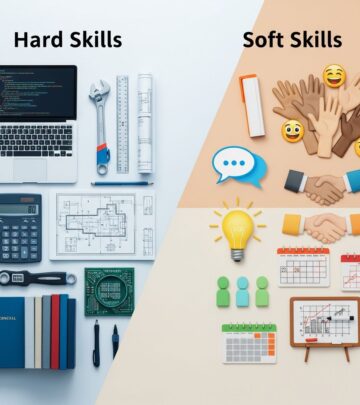
Before diving into specific competencies, it’s important to understand the distinction between hard skills and soft skills. Hard skills are technical, measurable abilities that are typically learned through formal education, training programs, or hands-on experience. These include proficiency with software, programming languages, accounting practices, or specialized machinery. Soft skills, by contrast, are personal attributes and interpersonal abilities that demonstrate how you work with others and handle workplace challenges. These include communication, leadership, teamwork, and problem-solving abilities. The most competitive candidates combine both types of skills to create a compelling professional profile.
Top Soft Skills Employers Seek
Soft skills have become increasingly important in the modern workplace. While technical knowledge can be taught, soft skills often reflect your personality and work ethic. Here are the most valued soft skills to include on your resume:
Communication
Effective communication is universally recognized as one of the most critical workplace skills. This encompasses verbal communication, written communication, and presentation abilities. Whether you’re drafting emails, presenting to stakeholders, or collaborating with team members, clear communication prevents misunderstandings and drives project success. On your resume, highlight instances where you’ve successfully communicated complex information to diverse audiences or improved team communication processes. Examples might include leading training sessions, writing technical documentation, or facilitating cross-departmental meetings.
Teamwork and Collaboration
In virtually every industry, the ability to work effectively with others is essential. Employers want team members who can contribute to group projects, support colleagues, and collaborate across departments. Rather than listing this as a single bullet point, demonstrate your collaborative abilities through specific examples. Reference successful projects where you worked with team members to achieve shared goals, contributed to team initiatives, or mentored junior staff members. If you’re a recent graduate, draw from academic group projects, internships, or extracurricular activities.
Problem-Solving
Every job involves challenges and obstacles. Employers highly value employees who can identify problems, think creatively, and implement effective solutions. When showcasing problem-solving skills on your resume, provide concrete examples of challenges you’ve overcome. For instance, you might describe how you identified inefficiencies in a process and implemented changes that reduced costs or improved outcomes. Use quantifiable results when possible to demonstrate the impact of your problem-solving abilities.
Time Management and Organization
The ability to prioritize tasks, meet deadlines, and manage multiple responsibilities simultaneously is invaluable in any role. Employers seek candidates who can work independently, stay organized, and deliver quality work on schedule. On your resume, highlight examples of how you’ve managed competing deadlines, organized large projects, or consistently met targets. For example, you might describe successfully managing multiple client accounts simultaneously or coordinating complex events with numerous moving parts.
Leadership
Leadership doesn’t require a management title. Modern employers recognize that leadership abilities can be demonstrated at any level of an organization. You can show leadership by taking initiative on projects, mentoring colleagues, or championing new ideas. Highlight instances where you’ve motivated others, guided teams through challenges, or spearheaded improvements in your department.
Adaptability and Flexibility
In rapidly changing work environments, the ability to adapt to new circumstances, learn new technologies, and embrace change is highly valued. Demonstrate adaptability by describing how you’ve successfully navigated organizational changes, quickly learned new systems or processes, or pivoted strategies in response to market shifts. This skill is particularly important in fields experiencing technological transformation.
Attention to Detail
Mistakes can be costly to businesses in terms of both time and money. Employers value employees who are careful, deliberate, and thorough in their work. To demonstrate attention to detail on your resume, ensure your document is perfectly proofread and formatted. In your work history, highlight positions where accuracy was critical—such as quality assurance roles, financial positions, or client-facing work. Mention specific achievements where your attention to detail prevented errors or improved quality.
Self-Motivation and Initiative
Managers appreciate employees who take charge and don’t require constant supervision. Self-motivated individuals identify opportunities for improvement and take action without being directed. On your resume, provide examples of times you’ve independently solved problems, pursued professional development, or taken on additional responsibilities that benefited your organization.
Essential Hard Skills by Industry
Hard skills vary significantly depending on your industry and role. However, certain technical competencies are increasingly in-demand across sectors. Understanding the hard skills most valued in your field will help you present a more compelling candidacy.
Technology and Software Proficiency
Nearly every modern job requires at least basic technology skills. Microsoft Office applications—including Word, Excel, PowerPoint, and Outlook—remain essential competencies across industries. Similarly, proficiency with Google Workspace (formerly G Suite) is increasingly expected. Beyond these fundamentals, specialized software proficiency is highly valuable. Depending on your field, you might include expertise with project management tools, customer relationship management (CRM) platforms, graphic design software, data analysis tools, or industry-specific applications. Be specific about your proficiency level and any certifications you’ve earned.
Data Analysis and Interpretation
In our data-driven economy, the ability to collect, analyze, and interpret data is invaluable. This skill spans numerous industries, from marketing and finance to healthcare and research. Hard research skills include experience with data collection methodologies, statistical analysis, research planning and scheduling, and data visualization. Proficiency with tools like SQL, Tableau, Python, or R significantly enhances your marketability. If you’ve used data to drive business decisions or improve outcomes, this is an excellent achievement to highlight.
Accounting and Bookkeeping
For finance-focused roles, accounting competencies are fundamental. Essential hard skills include invoicing, payment processing, account reconciliation, and collections management. Software proficiency is equally important—familiarity with QuickBooks, FreshBooks, Xero, or similar accounting platforms is increasingly expected. Additionally, understanding financial statement analysis, including key ratios like current ratio, quick ratio, and debt-to-equity ratio, demonstrates advanced competency. If you’ve managed budgets, prepared financial forecasts, or implemented accounting improvements, these achievements strengthen your candidacy.
Project Management
Project management skills are valuable across industries. Hard skills in this area include experience with project management methodologies (such as Agile, Scrum, or Waterfall), familiarity with project management software like Microsoft Project, Asana, or Monday.com, and the ability to create timelines, manage budgets, and coordinate resources. Highlight any relevant certifications, such as Project Management Professional (PMP) or Certified ScrumMaster (CSM).
Artificial Intelligence and Automation Tools
As organizations increasingly adopt AI and automation technologies, familiarity with these tools is becoming a significant competitive advantage. This might include experience with AI-powered forecasting tools, machine learning platforms, or automation software. Demonstrating comfort learning and working with emerging technologies positions you as a forward-thinking professional prepared for the future of work.
Advanced Excel and Data Analysis
Advanced Excel skills—including pivot tables, VLOOKUP functions, data visualization, and complex formula creation—are highly sought in finance, marketing, and operations roles. The ability to transform raw data into actionable insights demonstrates analytical thinking and business acumen.
Showcasing Skills Effectively on Your Resume
Simply listing skills is insufficient; you must demonstrate their impact. Rather than creating a generic skills section, weave skills throughout your resume with specific examples and quantifiable results. For instance, instead of writing “problem-solving,” write “Implemented new consolidation procedures for monthly and quarterly close, reducing closing time by 30%.” This approach shows employers concrete evidence of your capabilities.
Using Action Verbs and Metrics
Start bullet points with strong action verbs and include relevant metrics whenever possible. Examples include:
- “Managed competing editorial deadlines while delivering weekly content to the email marketing team, improving click rates by 20%”
- “Closed 92% of desktop support tickets on the first call without escalation”
- “Prioritized multiple projects for a team of 20 people in a fast-paced environment”
- “Completed all projects on time or before deadline, leading to promotion after 12 months”
Tailoring Your Skills Section
Different employers prioritize different skills. Carefully review each job posting and tailor your resume accordingly. If the posting emphasizes teamwork, ensure collaboration examples are prominent. If technical proficiency is essential, highlight relevant software expertise. This targeted approach demonstrates that you’ve invested time in understanding the role and organization.
Organizing Your Skills
Consider how you organize skills on your resume. You might group them by category (Technical Skills, Leadership Skills, Analytical Skills), by industry (Data Analysis, Financial Reporting, Accounting), or by proficiency level (Advanced, Intermediate, Foundational). The chosen method should align with the position’s requirements and make skills easy for hiring managers to scan.
Industry-Specific Skills
Different industries and roles value different skill combinations. Understanding your industry’s unique requirements helps you position yourself competitively.
Finance and Accounting
Finance professionals should emphasize accounting fundamentals, analytical thinking, financial decision-making, management capabilities, financial reporting and forecasting, communication, and investing knowledge. Specific competencies include cash flow management, financial statement analysis, ROI calculations, and proficiency with accounting software.
Business Analysis
Business analysts wear many hats and should highlight diverse skills including business acumen, data mining, client relations, strategic thinking, experience with AI forecasting tools or modeling software, verbal and presentation skills, project management, and collaboration abilities. These multifaceted professionals serve as bridges between technical and business teams.
Web and Graphic Design
Design professionals should showcase hard technical skills like proficiency with Adobe Creative Suite, web design platforms, and coding languages (HTML, CSS, JavaScript) alongside soft skills like creativity, attention to detail, and the ability to manage multiple projects in fast-paced environments.
Frequently Asked Questions
Q: How many skills should I include on my resume?
A: Include a curated selection of 10-15 skills that directly relate to the position and industry. Quality matters more than quantity. Focus on skills mentioned in the job description and those you can back up with examples from your experience.
Q: Should I include soft skills or only hard skills?
A: Include both. Employers seek candidates with well-rounded skill sets. Hard skills demonstrate technical competency while soft skills showcase your ability to work effectively in team environments and handle workplace challenges.
Q: How should I list skills if I’m a recent graduate?
A: Recent graduates can draw examples from internships, academic projects, volunteer work, and extracurricular activities. Focus on transferable skills and emphasize your eagerness to learn. Consider including relevant coursework or certifications that demonstrate commitment to your field.
Q: Is it important to include proficiency levels for technical skills?
A: Yes, indicating proficiency levels (Advanced, Intermediate, or Beginner) helps employers understand your capabilities and set realistic expectations. Only claim proficiency levels you can genuinely demonstrate.
Q: How do I keep my resume skills current?
A: Regularly update your resume as you develop new skills or gain additional certifications. Pursue professional development opportunities aligned with industry trends, particularly in emerging technologies like artificial intelligence, data analysis, and automation tools.
Q: Should my resume skills match the job description exactly?
A: Aim for substantial alignment without being dishonest. Use language from the job posting when appropriate and when you genuinely possess the skills. Applicant tracking systems (ATS) often search for specific keywords, so strategic alignment improves your chances of being selected.
Conclusion
Your resume skills section represents a critical opportunity to demonstrate your professional value. By thoughtfully combining hard skills that showcase technical competency with soft skills that highlight your interpersonal abilities and work ethic, you create a compelling case for why you’re the ideal candidate. Remember to tailor your skills to each opportunity, use concrete examples with measurable results, and continuously update your skillset to remain competitive in an evolving job market. Whether you’re entering a new field or advancing within your current industry, strategically positioning your skills will significantly enhance your resume’s impact and your prospects for career success.
References
- Skills to Put on a Resume Employers Will Actually Read — Robert Half. 2024. https://www.roberthalf.com/us/en/insights/landing-job/skills-that-will-make-your-resume-pop
- 7 Finance Skills Employers Look for on a Resume — Harvard Business School Online. 2024. https://online.hbs.edu/blog/post/finance-skills-employers-look-for-on-a-resume
- The Most Popular Skills Americans Put on Their Resumes — Money Talks News. 2024. https://www.moneytalksnews.com/slideshows/the-most-popular-skills-americans-put-on-their-resumes/
Similar Articles








Read full bio of Sneha Tete