Best RV Loan Rates & Financing Options in 2025
Find the best RV loan rates and financing options to make your recreational vehicle dreams a reality.
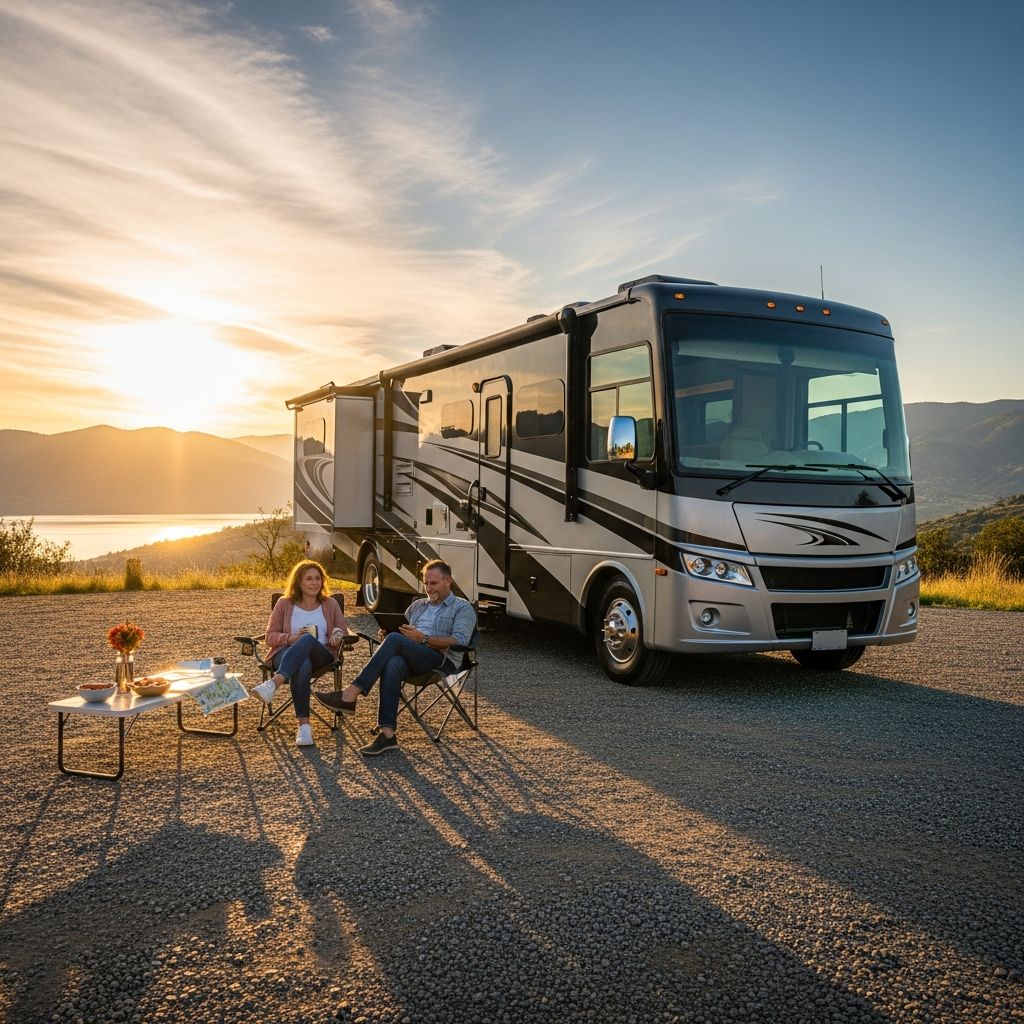
Purchasing a recreational vehicle is an exciting adventure, but it often requires significant financial investment. Most RV buyers turn to financing to make their dreams of hitting the open road a reality. Understanding your RV loan options, comparing rates from various lenders, and knowing how to qualify can help you secure the best financing deal for your specific situation.
RV loans are installment loans that provide you with a lump sum to purchase your recreational vehicle, which you then repay through equal monthly payments over a predetermined period. The current RV loan annual percentage rate (APR) ranges from 6.49 percent for those with excellent credit to 35.99 percent at the higher end, depending on your creditworthiness and the type of loan you select.
Understanding RV Loan Basics
An RV loan functions similarly to an auto loan or personal loan, but with some unique characteristics specific to recreational vehicles. When you obtain RV financing, the lender provides you with funds to purchase your vehicle, and you commit to repaying this amount plus interest over a specified term. The structure and terms of your RV loan will depend on several factors, including the loan type, your credit profile, and the lender you choose.
RV loans can vary dramatically in scope. Loan amounts for RVs can range from $10,000 to over $1 million, with terms of up to 20 years for secured loans and two to seven years for unsecured loans. This flexibility allows borrowers with different financial situations and vehicle choices to find suitable financing options.
Types of RV Loans
Secured RV Loans
Most RVs are financed with secured loans, where the vehicle you purchase acts as collateral that can be repossessed if you default on the debt. Lenders offering secured loans will determine your eligibility for an RV loan based on your credit score, income, total debt and the RV you are buying.
Secured loans typically come with lower rates and fees than unsecured loans, which can translate to lower monthly payments. And if you secure financing through the RV dealership, you may snag a promotional rate or special deal. However, lenders may place restrictions on which RVs you can purchase based on age, condition and value.
Advantages of Secured RV Loans:
– Typically lower rates and fees than unsecured loans- Higher loan amounts available- Longer terms available, sometimes up to 20 years- May be available through your dealership
Disadvantages of Secured RV Loans:
– Lender could repossess your RV if you default- Not all RVs are eligible for secured financing- Longer approval process that may require a down payment- Dealer perks and discounts may only be available through certain lenders
Unsecured RV Loans
An unsecured personal loan is approved based on your credit and income — no vetting of your RV is required. Unsecured loans do not use your vehicle as collateral, offering more flexibility in your purchase choices and less risk of repossession.
Keep in mind that unsecured loans usually have higher interest rates. This may be offset by a strong credit score, but bad credit loan rates can reach up to 36 percent, leading to exceptionally high monthly payments.
Advantages of Unsecured RV Loans:
– No risk of losing your vehicle to repossession- No limitations on the vehicle you choose- Less documentation required for approval- Quick funding turnaround
Disadvantages of Unsecured RV Loans:
– Typically higher rates and fees than secured RV loans- Terms are usually capped at seven years- Lower maximum loan amounts- May be difficult to qualify with bad credit
RV Loan Rates and Terms
Understanding current RV loan rates is crucial when deciding whether to proceed with a purchase and which lender to choose. RV loan rates start at just under 7 percent — but the best RV loan rates go to borrowers with high credit scores, often in or above the mid-700s. You may also get a slightly lower rate if you make a down payment of 10 to 20 percent.
Starting APRs for unsecured RV loans are around 7 percent, but rates for borrowers with bad credit can reach 36 percent. Typical RV loan terms range from five to seven years for unsecured loans, although secured loan terms can be much longer, sometimes extending up to 20 years.
For secured RV loans, rates are usually lower for new vehicles than used. For unsecured loans, your rate will be based on your credit score and could go as high as 36 percent if your score is low.
RV Loan Payment Examples
To illustrate how different loan terms affect your monthly payments and total interest costs, consider this example: if you have excellent credit you might qualify for a 7.99 percent interest rate on a $50,000 RV loan. A three-year term will cost $16,000 less than a 10-year term.
| Loan Term | Monthly Payment | Total Interest |
|---|---|---|
| 3 years | $1,566.59 | $6,397.15 |
| 5 years | $1,013.58 | $10,814.83 |
| 7 years | $779.06 | $15,441.18 |
| 10 years | $606.37 | $22,764.86 |
How to Qualify for an RV Loan
To qualify for an RV loan, you’ll need to meet certain credit score, income and debt requirements, in addition to any lender-specific requirements. Most lenders consider your FICO score, typically requiring a minimum credit score of 670 or better. The better your credit score, the lower your interest rate will generally be.
When gauging approval, RV lenders consider your credit score, income and debt-to-income ratio (DTI), among other factors. Most lenders prefer a DTI ratio under 36%, meaning your monthly debt payments should not exceed 36 percent of your gross monthly income.
Every lender sets its own requirements for approval. While most will set a minimum credit score and income requirement, some may also ask how you plan to use your RV and whether it will be your primary residence. They may also consider the vehicle’s condition.
Choosing an RV Loan Lender
You can get an RV loan from banks, credit unions, online lenders and at some RV-specific dealerships. It may be harder to get an RV loan because the amount is much larger than other loan types, depending on the model you want and your down payment amount.
To choose the best financing for your RV, conduct thorough research to find both the most competitive rates and terms. Also consider factors like whether you want a secured loan and the level of customer service you expect.
Key Factors to Consider When Selecting a Lender
Check the Requirements for RV Financing: Before applying to a lender, verify their eligibility requirements. Most will consider your credit score, income, and DTI ratio. Check each lender’s requirements before applying to avoid unnecessary loan denials.
Find What Interest Rates You Prequalify For: The lowest interest rates disclosed on the lender’s website aren’t guaranteed. Before choosing a lender because of a particularly low annual percentage rate (APR), be sure to prequalify to see your potential rate. Keep in mind that the lowest APR is reserved for the most creditworthy borrowers.
Think About Your Loan Amount: Before comparing the best RV lenders, it’s important to know how much money you will need to purchase your RV. Recreational vehicles can vary widely in cost, ranging anywhere from $10,000 to $1 million. Most lenders limit what you can borrow, often approving $100,000 personal loans or less, so keep that in mind when setting your budget.
Understand Your Repayment Options: The repayment terms you agree to will affect how much your monthly payment impacts your budget — and for how long. Longer repayment terms will mean a lower monthly cost, whereas a shorter repayment period will likely increase your monthly expenses. A shorter term, despite the higher monthly payment, means that you’ll pay less interest over the loan’s life, allowing you to own the RV sooner.
Consider Perks and Special Features: When evaluating similar lenders, look out for unique features that may be offered. Some questions to consider include: Does the lender restrict what kind of RV you can fund with its loans? Are there discounts, special programs or other forms of assistance available? Do the benefits outweigh the borrowing costs or vice versa?
Getting the Best RV Loan
You should keep your budget, credit score and lender options in mind when searching for the best RV loan. While there will never be a one-size-fits-all option, you may be able to find a loan that suits your budget and needs with a little extra research.
To boost your chances of approval, make sure your finances are in order and research lenders to find options that cater to your borrowing needs. Your current debts and income will play a major role in your budget. When determining how much you can afford, use a personal loan calculator. Be sure to keep in mind how fees might impact your upfront and long-term costs.
To confidently select the best RV lender for you, understand your payment obligations and total loan costs. Shop around, get prequalified with multiple lenders and then compare the loan quotes.
Where to Find RV Loans
RV loans are available from multiple sources to meet various borrowing needs and preferences. You can get an RV loan from banks, credit unions, online lenders and at some RV-specific dealerships. Each type of lender may offer different advantages and disadvantages.
Traditional banks may offer competitive rates for those with excellent credit but may have stricter approval requirements. Credit unions often provide member benefits and competitive rates. Online lenders may offer faster approval and funding, while RV dealerships may have special promotional rates and packages tailored specifically for RV purchases.
Frequently Asked Questions About RV Loans
Q: What is the typical loan term for an RV loan?
A: Typical RV loan terms range from five to seven years for unsecured loans, while secured loan terms can extend much longer, sometimes up to 20 years. Typical RV loan terms last five to 15 years for most borrowers.
Q: What credit score do I need to qualify for an RV loan?
A: Most lenders require a minimum FICO score of 670 or better to qualify for an RV loan. However, bad credit loans do exist with rates that can reach up to 36 percent. The better your credit score, the lower your interest rate will generally be.
Q: Can I get an RV loan with bad credit?
A: Yes, you can get an RV loan with bad credit, but you may face higher interest rates. Bad credit RV loan rates can reach 36 percent, leading to exceptionally high monthly payments. Some lenders specialize in bad credit loans, though they may have less flexible repayment terms.
Q: What is the minimum down payment required for an RV loan?
A: While some lenders offer no down payment options, making a down payment of 10 to 20 percent can help you secure a slightly lower interest rate. Down payment requirements vary by lender and loan type.
Q: What is the difference between a secured and unsecured RV loan?
A: A secured RV loan uses your vehicle as collateral and typically offers lower rates and longer terms, but risks repossession if you default. An unsecured RV loan is approved based on credit and income with no vehicle collateral, offering more flexibility but higher rates and shorter terms.
Q: How much can I borrow with an RV loan?
A: Loan amounts for RVs can range from $10,000 to over $1 million, depending on the lender and your qualifications. Most lenders limit personal loans to around $100,000 or less.
Q: How long does it take to get approved for an RV loan?
A: Unsecured loans typically have a quick funding turnaround, while secured RV loans have a longer approval process that may require a down payment. The exact timeline depends on the lender and completeness of your application.
Q: What factors affect my RV loan interest rate?
A: Your credit score is the primary factor determining your interest rate. Borrowers with high credit scores in the mid-700s or above receive the best rates. Other factors include the loan type (secured vs. unsecured), loan amount, down payment size, and whether the RV is new or used.
Final Thoughts on RV Financing
Choosing the right lender is the first step toward getting out on the open road. To ensure you can enjoy your RV for years to come, pay close attention to details like approval requirements, interest rates, loan amounts, terms, customer service and special features.
RV loans make ownership possible for millions of enthusiasts who want to explore the country without saving years for an outright purchase. By understanding your financing options, comparing rates from multiple lenders, and ensuring your finances are in order, you can secure a loan that fits your budget and lifestyle needs. Take time to research thoroughly, prequalify with several lenders, and compare loan quotes before making your final decision.
References
- How to get an RV loan without breaking the bank — Bankrate. 2025-11-29. https://www.bankrate.com/loans/personal-loans/how-to-qualify-for-an-rv-loan/
- How To Choose The Best RV Loan Lender For You — Bankrate. 2025-11-29. https://www.bankrate.com/loans/personal-loans/how-to-choose-the-best-rv-loan-lender/
- Best RV Loan Rates in November 2025 — Bankrate. 2025-11-29. https://www.bankrate.com/loans/personal-loans/rv-loans/
- Is buying an RV worth it, or should you just rent one? — Bankrate. 2025-11-29. https://www.bankrate.com/loans/personal-loans/should-you-buy-or-rent-an-rv/
- What Are Secured Loans And How Do They Work? — Bankrate. 2025-11-29. https://www.bankrate.com/loans/personal-loans/what-is-a-secured-loan/
Similar Articles








Read full bio of medha deb