Best Plant-Based Milks: Top Options to Save Money
Discover affordable plant-based milk alternatives that fit your budget and dietary needs.
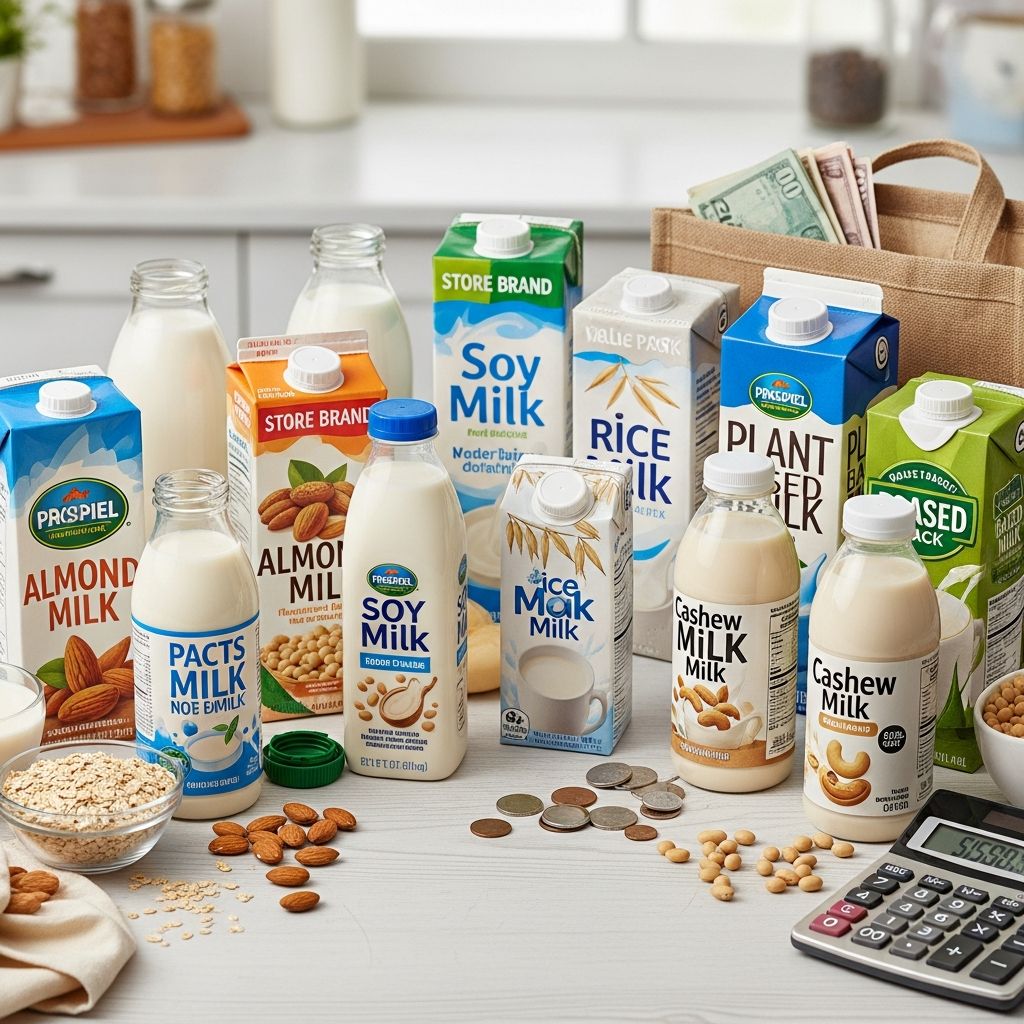
Plant-based milk alternatives have become increasingly popular as consumers seek healthier, more sustainable, and often more affordable options compared to traditional dairy milk. Whether you’re motivated by dietary restrictions, environmental concerns, or simply looking to reduce your grocery expenses, understanding the different types of plant-based milks available can help you make informed choices that align with your budget and nutritional needs.
Why Switch to Plant-Based Milk?
Plant-based milks offer several compelling advantages over traditional cow’s milk. Most plant-based milks contain significantly less fat and calories than whole-fat dairy milk, with reductions ranging from 37% to 75%. For those seeking to limit sugar intake, unsweetened varieties of plant-based milk contain approximately one gram of carbohydrates compared to the 12 grams of lactose naturally present in dairy milk.
Beyond nutritional benefits, plant-based milks are generally free of cholesterol and saturated fats, making them a heart-healthy choice. Many varieties are also suitable for individuals with lactose intolerance or dairy allergies, expanding dietary options for those with specific needs. Additionally, plant-based milk production typically has a lower environmental impact compared to dairy farming, reducing your carbon footprint.
Types of Plant-Based Milk and Their Benefits
Almond Milk
Almond milk remains one of the most widely available and affordable plant-based milk options. Rich in vitamin E, an antioxidant that promotes skin health and combats free radicals, almond milk is ideal for weight management due to its low calorie content. Most varieties are fortified with calcium and magnesium, supporting bone strength and muscle function.
Almond milk provides a neutral flavor that works well in coffee, smoothies, and cereals. However, while significantly more environmentally friendly than dairy milk, there are more sustainable plant-based alternatives available.
Oat Milk
Oat milk is perhaps the creamiest of all plant-based milk alternatives, closely resembling the texture and mouthfeel of traditional dairy milk. This rapidly growing option contains soluble fiber and beta-glucans, compounds that support digestive health and help lower LDL cholesterol, promoting cardiovascular health. Oat milk contains nearly as many calories as cow’s milk (130 versus 148 calories per cup), but offers high levels of vitamin D and B12.
The popularity of oat milk has surged in recent years, with brands like Oatly disrupting the traditional milk industry and making it the fastest-growing plant milk option. For those prioritizing texture and creamy consistency, oat milk is an excellent choice.
Soy Milk
Soy milk stands as one of the oldest and most popular plant-based milk alternatives, offering a nutritional profile remarkably similar to cow’s milk. As a complete protein source containing all essential amino acids, soy milk provides significant amounts of protein ideal for vegans and vegetarians. Additionally, soy milk contains phytoestrogens, natural compounds that may alleviate menopause symptoms for some women.
Free of cholesterol and low in saturated fats, soy milk supports heart health and provides fortified calcium and potassium. Soy remains one of the most popular vegan milk options due to its creamy taste, high protein content, and easy accessibility, making it an excellent choice for those transitioning to plant-based diets. Furthermore, soy milk has a carbon footprint similar to almond milk but uses considerably less water, making it a more sustainable choice.
Rice Milk
Rice milk is characterized by its low fat and protein content but high carbohydrate levels, providing quick and easily digestible energy. This hypoallergenic option is suitable for those avoiding cow’s milk, soy, or nuts, making it ideal for individuals with multiple allergies. Its neutral flavor and lighter consistency make it easier to digest compared to other plant-based options, particularly for those with digestive issues.
Coconut Milk
Coconut milk is perhaps the most distinct plant-based milk option, featuring a higher fat content than many alternatives, primarily in the form of medium-chain triglycerides (MCTs). These MCTs are quickly metabolized for energy, making coconut milk suitable for active individuals. The creamy texture makes coconut milk popular for baking and thickening dishes like curries.
With a good source of potassium essential for fluid balance, coconut milk helps maintain electrolyte balance and supports muscle health. While higher in fat and calories compared to other plant-based options, coconut milk remains a versatile choice for recipes requiring rich, creamy textures.
Cashew Milk
Cashew milk offers another excellent option for smoothies and cooking applications. Thicker than almond milk while providing similar nutritional benefits, cashew milk serves as a source of magnesium, copper, and zinc. The creamy texture makes it ideal for sauces, desserts, and smoothies, while unsaturated fats promote heart health and reduce bad cholesterol.
Hemp Milk
Hemp milk is rich in essential Omega-3 and Omega-6 fatty acids, vital for heart and brain health. As a good source of proteins and minerals, hemp milk supports cardiovascular health and reduces inflammation. The complete protein profile makes hemp milk ideal for plant-based diets, while Omega-3s promote cognitive health.
Nutritional Comparison Table
| Milk Type | Calories (per cup) | Protein (g) | Fat (g) | Carbs (g) | Key Nutrients |
|---|---|---|---|---|---|
| Almond Milk | 25-40 | 1-2 | 2-3 | 1-2 | Vitamin E, Calcium (fortified) |
| Oat Milk | 130 | 2-3 | 2-3 | 16 | Vitamin D, B12, Fiber |
| Soy Milk | 80-100 | 6-8 | 4-5 | 1-2 | Complete Protein, Omega-3, Calcium |
| Rice Milk | 113 | 1 | 2-3 | 22-23 | Iron, Calcium (fortified) |
| Coconut Milk | 45-50 | 0-1 | 4-5 | 1-2 | MCTs, Potassium, Iron |
| Cashew Milk | 25-40 | 1 | 2-3 | 1-2 | Magnesium, Zinc, Copper |
| Hemp Milk | 101 | 5 | 9 | 1 | Omega-3, Omega-6, Proteins |
Health Benefits of Plant-Based Milk
The shift toward plant-based milk alternatives offers numerous health advantages. Research published in the American Journal of Clinical Nutrition indicates that replacing animal fats with plant-sourced fats may reduce cardiovascular risk. Most plant-based milks are cholesterol-free and low in saturated fats, supporting overall heart health.
Many plant-based milks are easier to digest than cow’s milk, particularly for individuals with lactose intolerance or digestive sensitivities. The diverse nutrient profiles across different plant-based options allow consumers to select varieties matching their specific nutritional needs, whether seeking protein-rich options like soy or those fortified with vitamin B12 and D.
Environmental and Cost Considerations
Plant-based milk production generally carries a lower environmental impact compared to dairy farming, reducing carbon footprints and water usage. When considering cost, plant-based milks often offer competitive pricing, particularly when purchased in bulk or as store brands. Almond and oat milk represent popular budget-friendly options, while soy milk provides excellent protein content at comparable prices to dairy alternatives.
For budget-conscious consumers, creating plant-based milk at home using concentrates provides complete control over nutritional content and cost. Using the entire nut or seed in milk concentrates ensures maximum nutrients and flavor while potentially reducing expenses.
Choosing the Right Plant-Based Milk for You
Selecting the best plant-based milk depends on individual preferences, dietary needs, and budget constraints. Consider these factors:
- Protein needs: Choose soy or hemp milk for higher protein content
- Digestive health: Opt for oat or rice milk for superior digestibility
- Cooking applications: Select coconut or cashew milk for creamy textures in recipes
- Allergy considerations: Pick rice milk if avoiding nuts and soy
- Budget constraints: Choose almond or store-brand oat milk for affordability
- Sustainability focus: Select soy milk for lower water usage or oat milk for growing availability
- Flavor preferences: Test varieties to find your preferred taste profile
Tips for Reducing Milk Expenses
Maximizing savings on plant-based milk involves several strategic approaches. Purchasing store-brand varieties instead of name brands typically reduces costs by 20-30% while maintaining comparable nutritional value. Buying in bulk when items are on sale allows consumers to stock up during promotional periods. Checking unit prices ensures you’re obtaining the best value regardless of package size.
Creating plant-based milk at home using concentrated powders or whole nuts and seeds offers substantial long-term savings while providing complete nutritional control. Additionally, comparing shelf-stable options to refrigerated varieties may reveal price differences, with shelf-stable versions often lasting longer and providing flexibility in purchasing timing.
Frequently Asked Questions
Q: Which plant-based milk is the cheapest?
A: Store-brand almond milk typically offers the most budget-friendly option, with prices often below $2 per half-gallon. However, prices vary by location and retailer, so comparing unit prices ensures the best value.
Q: Is plant-based milk as nutritious as dairy milk?
A: Many plant-based milks, particularly soy and fortified varieties, provide comparable nutritional profiles to dairy milk. However, choosing fortified options ensures adequate calcium, vitamin D, and B12 content, which aren’t naturally present in all plant-based alternatives.
Q: Can I use any plant-based milk for cooking and baking?
A: While most plant-based milks work in cooking, some perform better than others. Coconut and cashew milk provide creamier textures ideal for sauces and desserts, while oat milk closely resembles dairy milk for general cooking purposes.
Q: Are unsweetened plant-based milks significantly different from sweetened versions?
A: Yes, unsweetened varieties contain approximately one gram of carbohydrates compared to higher sugar content in sweetened options. Choosing unsweetened versions helps reduce overall sugar intake while maintaining nutritional benefits.
Q: Which plant-based milk is best for individuals with allergies?
A: Rice milk is the most hypoallergenic option, being free from common allergens including nuts, soy, and dairy. However, those with specific allergies should carefully review ingredient labels, as some plant-based milks may be processed in facilities handling allergens.
Q: Do plant-based milks contain enough protein for a healthy diet?
A: Soy and hemp milk provide adequate protein for a balanced diet, with soy containing 6-8 grams per cup. Other varieties contain less protein, so combining them with protein-rich foods or selecting fortified varieties ensures adequate protein intake for plant-based diets.
Q: Is plant-based milk more environmentally friendly than dairy?
A: Generally yes, plant-based milk production has a lower environmental impact than dairy farming, reducing carbon emissions and water usage. Soy and oat milk represent particularly sustainable options among plant-based alternatives.
References
- Should You Switch to Plant-Based Milk? — UCLA Health. Accessed January 2026. https://www.uclahealth.org/news/article/should-you-switch-to-plant-based-milk
- Types of Plant-Based Milk: Benefits and Properties — Mentta. Accessed January 2026. https://www.mentta.com/blog/en/types-of-plant-based-milk-benefits-and-properties/
- Complete Guide to Plant Based Milk: Types, Benefits & Uses — JOI. Accessed January 2026. https://addjoi.com/blogs/news/complete-guide-to-plant-based-milk
- The Plant Milk Guide: How Vegan Milk Compares To Dairy — Vegan Cuts. Accessed January 2026. https://vegancuts.com/blogs/1/plant-based-milk-guide
- Comparing Milks: Almond, Dairy, Soy, Rice, and Coconut — Healthline. Accessed January 2026. https://www.healthline.com/health/milk-almond-cow-soy-rice
- Milk and Plant-Based Milk Alternatives: Know the Nutrient Difference — U.S. Food and Drug Administration. Accessed January 2026. https://www.fda.gov/consumers/consumer-updates/milk-and-plant-based-milk-alternatives-know-nutrient-difference
Similar Articles








Read full bio of Sneha Tete