Best Places To Sell Your Used Textbooks Online
Turn stacks of old college textbooks into fast cash with these proven online and local resale strategies.
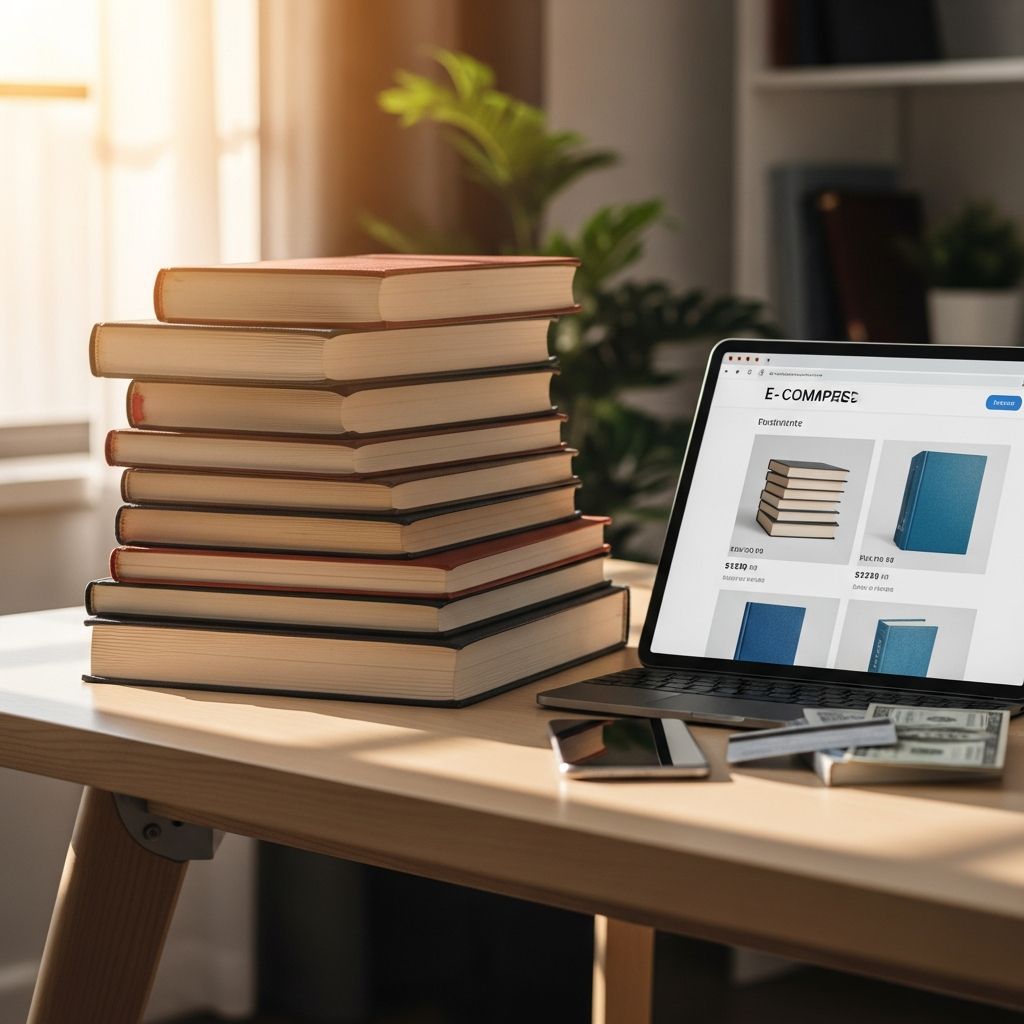
Textbooks are one of the biggest hidden costs of college. Once the semester ends, many students end up with shelves full of expensive books they may never open again. Selling your used textbooks the right way can help you recover a meaningful portion of what you spent and free up space at the same time.
This guide walks through practical ways to sell textbooks online and in person, plus 15 of the best places to sell them for cash. You will learn how each option works, what to expect with pricing and payments, and how to choose the best platform for your situation.
Why selling your textbooks is worth the effort
College students in the United States spend hundreds of dollars per year on course materials, even when they rent or buy used copies. When you resell your books instead of letting them collect dust, you:
- Get back some of the money you invested in your education
- Reduce clutter in your home or dorm room
- Help other students save by buying used instead of new
- Extend the life of books that might otherwise be thrown away
Because textbook prices and editions change frequently, it is usually best to sell as soon as a class is finished. Newer editions and books that are still assigned regularly tend to bring the highest resale prices.
How to get the most money for your textbooks
Before you choose a platform, a few simple strategies can significantly increase what you earn.
- Act quickly after the semester ends – Demand is highest when other students are registering and looking for the same books you just used.
- Keep books in good condition – Light highlighting is usually fine, but water damage, torn covers, or missing CDs and access codes can substantially reduce the payout.
- Compare multiple offers – Buyback services, marketplaces, and local buyers often offer very different prices for the same book.
- Verify the exact edition and ISBN – Professors often require specific editions, which means buyers do, too. Always check the ISBN printed on the copyright page or barcode.
- Bundle when selling locally – If you are selling to another student or bookstore, offering a set of books together can sometimes fetch a better deal.
Ways to sell your textbooks
There are three main approaches to selling textbooks, and many students use a combination of them.
1. Sell directly to an online buyback site
With buyback sites, you enter the book’s ISBN, receive an instant quote, and ship the book using a prepaid label. Once the company checks the book’s condition, you are paid by check, direct deposit, or another payment method. This method:
- Is fast and convenient
- Does not require you to create your own listing or find a buyer
- May pay less than selling directly to another individual
2. Sell them in person
You can sell textbooks locally to other students, independent bookstores, thrift shops, or through classifieds-style platforms. Selling in person:
- Lets you avoid shipping costs and waiting time
- Allows you to negotiate on the spot
- Might require more effort to find interested buyers
3. Sell them on a marketplace
Marketplaces allow you to create your own listing and set your price. The platform then connects you with potential buyers. This approach:
- Can bring higher prices if your book is in-demand
- Requires you to manage listings, communication, and shipping
- Often includes fees or commissions deducted from the sale
15 of the best places to sell textbooks online (and locally)
Below is a breakdown of 15 well-known places to sell textbooks. Some are pure buyback sites, some are price comparison tools, and others are marketplaces or local options.
| Platform / Option | Type | Main Advantages | Things to Know |
|---|---|---|---|
| BooksRun | Buyback site | Quick quotes, free shipping, simple process | Offer depends heavily on book demand and condition |
| BookFinder | Comparison tool | Shows offers from many buyers | You still complete the sale with a third-party buyer |
| Amazon | Marketplace / trade-in | Huge audience, potential for higher prices | Fees and strict condition standards apply |
| Barnes & Noble | Buyback partner | Established brand, simple online process | Minimum total value required to sell |
| GoTextbooks | Buyback site | Instant quotes, free shipping | Payment timing depends on shipping and processing |
| BookScouter | Comparison tool | Multiple vendors bid on your book | You will finalize sale on a chosen vendor’s site |
| eBay | Marketplace | Auction or fixed-price options | Requires shipping and careful listing details |
| Facebook Marketplace | Local marketplace | No platform fees, local pickup | Requires meeting buyers safely in person |
| Campus buy/sell groups | Local / peer-to-peer | Targeted to students at your school | Prices may be lower than online marketplaces |
| Second-hand bookstores | Local store | Immediate payment or store credit | Not all shops accept textbooks; call first |
| ValoreBooks | Comparison tool | Aggregates offers to help you get top dollar | Terms and payment speed vary by buyer |
| eCampus | Marketplace & buyback | Multiple payout options, no listing fees | Commission may be charged on completed sales |
| TextbookRush | Buyback site | Free shipping and quick payment | Offers may fluctuate based on inventory needs |
| Powell’s Books | Indie bookstore / online buyback | Supports an independent bookseller | Not all titles are accepted; offers vary |
| Biblio | Marketplace / comparison | Helps compare prices from multiple sellers | Best for more specialized or higher-value titles |
1. BooksRun
BooksRun lets you sell, buy, and rent new or used textbooks. To get started, all you need is the ISBN printed on your book. When you enter it on their website, you receive a quote almost instantly. If you accept, you can print a prepaid shipping label or sometimes use a QR code at a partner shipping location.
- Pros: Simple process, free shipping, ability to buy or rent future textbooks.
- Cons: Quotes depend heavily on current demand, and older editions may receive low offers.
2. BookFinder
BookFinder works as a price comparison search engine for books. When you enter the ISBN, it scans offers from many different textbook buyers and shows you where you can get the most money after accounting for shipping and fees.
- Pros: Helps you quickly see which site will pay the most for your book.
- Cons: You still complete the sale on a separate site, so policies and payment times vary.
3. Amazon
Amazon offers two main ways to part with textbooks: listing them as a seller on the marketplace, or using any trade-in options that may be available for specific titles. As a third-party seller, you set your own price and ship the book when it sells.
- Pros: Massive customer base and potential for quick sales, especially for popular titles.
- Cons: Amazon’s fees can be significant, and its policies about book condition are strict.
4. Barnes & Noble
Barnes & Noble partners with a buyback provider that lets you sell qualifying textbooks online. You enter your ISBNs, get an offer, and mail in your books using a prepaid label if you decide to accept the quote.
- Pros: Straightforward process with a well-known retailer.
- Cons: There is usually a minimum total value (for example, around $10 in books) to complete a buyback order.
5. GoTextbooks
GoTextbooks gives you instant quotes when you enter the ISBN of your book. If you sell to them, you print a free shipping label and drop your package at a shipping center such as UPS. Once the books arrive and pass inspection, GoTextbooks processes payment, which can take several business days depending on shipping time and volume.
- Pros: Fast offers and no shipping cost to you.
- Cons: As with most buyback sites, payment amounts depend on how current and in-demand your book is.
6. BookScouter
BookScouter is another comparison tool that brings together offers from multiple textbook vendors. After entering the ISBN, you see a list of companies willing to buy your book, along with the prices they are offering and basic details about payment timing.
- Pros: Can help you squeeze out more cash by letting companies effectively bid for your book.
- Cons: You must pay attention to each buyer’s conditions and payment methods.
7. eBay
On eBay, you can set a fixed price or run an auction for your textbooks. The platform works best when you have a sense of what similar books are selling for, and when you are prepared to write clear descriptions and upload photos.
- Pros: Flexible pricing and access to international buyers.
- Cons: Listing and payment fees apply, and you are responsible for packing and shipping each sale.
8. Facebook Marketplace
Facebook Marketplace helps you reach buyers in your local area without paying platform fees. You create a listing with photos, a description, and your price, then communicate with interested buyers through Facebook’s messaging tools.
- Pros: No shipping, no platform fees, and flexible pickup arrangements.
- Cons: You must take safety precautions when meeting buyers and be prepared for negotiation.
9. Campus buy/sell groups and bulletin boards
Many colleges have informal markets, such as student-run social media groups, messaging channels, or campus bulletin boards. Posting your textbooks there can connect you with students who are about to take the same classes you just completed.
- Pros: Highly targeted to students who need your exact editions.
- Cons: Prices may be lower than online offers, and sales depend heavily on timing.
10. Second-hand bookstores near you
Independent or second-hand bookstores sometimes buy textbooks, especially in college towns. It is wise to call ahead and ask if they purchase textbooks, which subjects they prioritize, and whether they pay in cash or store credit.
- Pros: Immediate payment and no shipping.
- Cons: Some stores only offer store credit or may refuse older editions.
11. ValoreBooks
ValoreBooks specializes in textbook price comparisons. When you enter the ISBN, it pulls prices from multiple buyers who are willing to purchase your book. You can then select the best offer and complete the sale through that buyer’s site.
- Pros: Convenient way to make sure you are not leaving money on the table.
- Cons: You must keep track of each buyer’s shipping deadlines and condition requirements.
12. eCampus
eCampus allows you to sell textbooks directly or list them on a marketplace. There are no listing fees, and you can choose from several payment options, such as PayPal, check, direct deposit, or store credit.
- Pros: Multiple payout options and a familiar interface for students who have rented or bought from eCampus before.
- Cons: The site may charge a commission on completed marketplace sales.
13. TextbookRush
TextbookRush offers textbook buyback, as well as options to buy and rent. When you enter your ISBN, you receive an estimate of how much they will pay. If you accept, you print a prepaid label and ship your book.
- Pros: Free shipping and relatively fast payments once books are inspected.
- Cons: If your book does not meet their condition standards, the final payout may be reduced.
14. Powell’s Books
Powell’s Books, a well-known independent bookstore based in Portland, offers an online buyback program. You can check whether they are currently buying a specific textbook by entering its ISBN on their website. If they are, they will display the price they are willing to pay.
- Pros: Supports an independent bookstore and can be a good outlet for certain academic titles.
- Cons: Not every title will be accepted, and availability of offers changes over time.
15. Biblio
Biblio focuses on used, rare, and out-of-print books, but it also offers tools that help you compare textbook prices. You can see how much similar copies are selling for and decide whether it makes sense to list your book or sell through another buyer.
- Pros: Useful for specialized or higher-value academic books.
- Cons: May be less effective for very common, lower-priced textbooks.
Practical tips to maximize your textbook resale value
Regardless of where you sell, these practices can help you get the best return:
- Avoid renting when you know you will want to resell – Buying used and reselling later can sometimes cost less overall than renting, especially for books with strong demand.
- Protect your books during the semester – Use sticky tabs instead of writing extensively in margins, and avoid eating or drinking over your books to prevent stains.
- Gather all supplemental materials – Include CDs, access cards, or workbooks when required, since missing items can lower offers.
- Check buyback policies before shipping – Understand what counts as “acceptable” condition and whether the buyer will return your book if they reject it.
- Consider timing around new editions – When a new edition is released, resale value of the old edition often drops sharply.
Frequently Asked Questions (FAQs)
Q: Is it better to sell textbooks online or in person?
Selling online usually provides more options and often higher prices because you can compare offers from many buyers. Local sales can be faster and avoid shipping, but you may have fewer potential buyers.
Q: When should I sell my textbooks to get the most money?
The best time is soon after the semester ends and before the next term starts, when other students are searching for the same books. Waiting too long increases the risk that a new edition will replace yours and reduce its value.
Q: Can I sell textbooks with highlighting or notes?
Most buyers accept light highlighting and limited notes, but heavy markings, water damage, or missing pages often lead to reduced offers or rejection. Always check the specific condition guidelines of the platform you use.
Q: What if my textbook is an older edition?
Older editions can still sell, especially if the newest edition is very expensive or the content has not changed much. However, you will typically earn less than you would for the current edition, and some buyback sites may not accept it at all.
Q: How do shipping costs work when selling textbooks online?
Many textbook buyback sites provide prepaid shipping labels and factor the cost into their offer. On marketplaces where you set the price yourself, you can either charge the buyer for shipping or include it in your listed price.
References
- Average Estimated Undergraduate Budgets, 2023-24 — College Board. 2023-10-01. https://research.collegeboard.org/media/pdf/trends-in-college-pricing-student-aid-2023.pdf
- Changing Course Materials: Student and Faculty Perspectives — Babson Survey Research Group. 2020-01-01. https://www.bayviewanalytics.com/reports/changing_course_materials_2020.pdf
- Amazon Services Business Solutions Agreement — Amazon. 2024-01-01. https://sellercentral.amazon.com/gp/help/external/1791
- Price Comparison of College Textbooks: Buy vs. Rent — U.S. Government Accountability Office (GAO-13-368). 2013-06-01. https://www.gao.gov/assets/gao-13-368.pdf
- College Textbooks: Students Have Greater Access to Textbook Information — U.S. Government Accountability Office (GAO-13-368T). 2013-03-05. https://www.gao.gov/products/gao-13-368t
Similar Articles








Read full bio of medha deb