Best OTC Stool Softeners for Constipation Relief
Find the best over-the-counter stool softeners to relieve constipation safely and effectively.
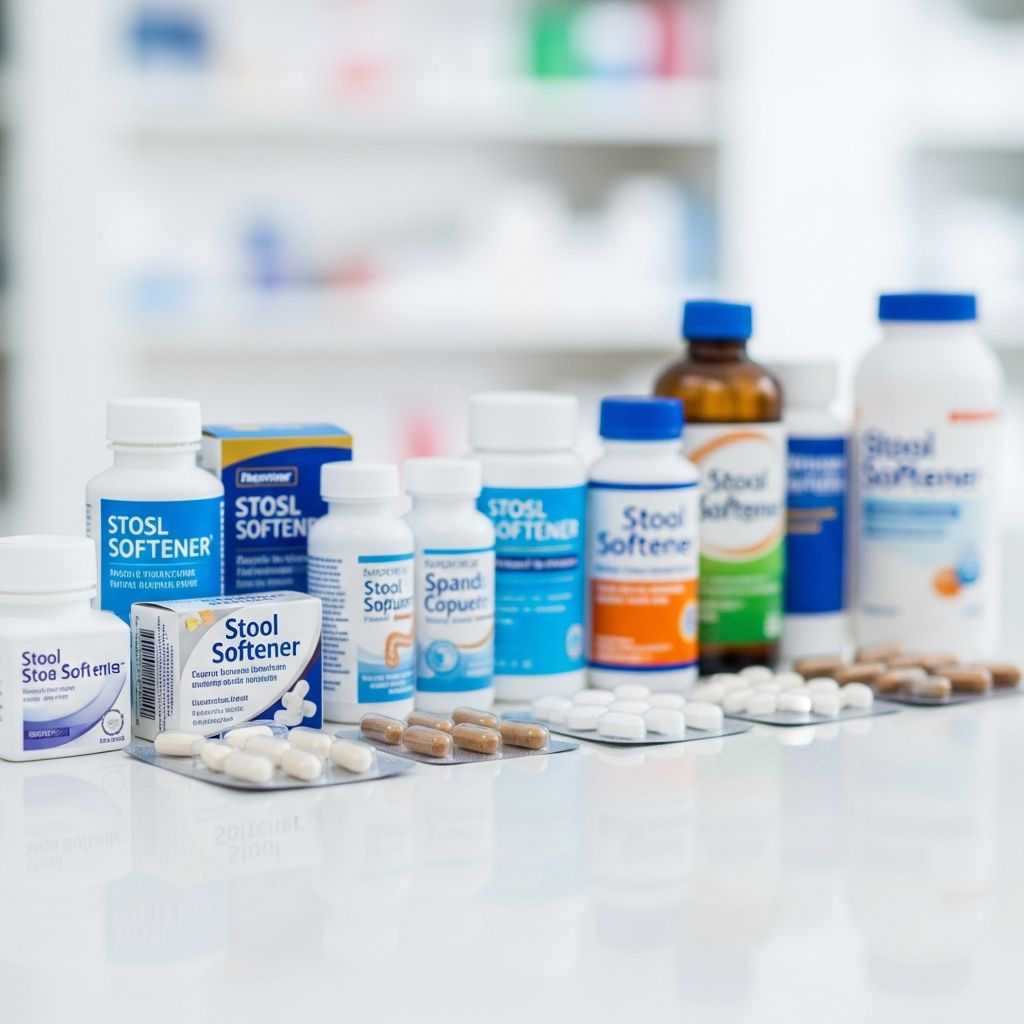
Best OTC Stool Softeners: Complete Guide to Constipation Relief
Constipation can be an uncomfortable and frustrating experience that affects millions of people. Fortunately, over-the-counter stool softeners offer a safe and effective solution to ease bowel movements and restore digestive comfort. Whether you’re dealing with occasional constipation or seeking a gentle long-term solution, understanding your options can help you choose the right product for your needs.
Understanding How Stool Softeners Work
Stool softeners represent one of the most gentle categories of constipation relief medications available. Unlike stimulant laxatives that trigger muscle contractions, stool softeners work by increasing the amount of water and fat absorbed by your stools. This moisture retention makes stools softer and easier to pass, allowing for strain-free bowel movements without harsh side effects.
The primary active ingredient in most stool softeners is docusate sodium, which acts as an emollient. This means it helps soften the stool by increasing its water content, making the passage through the digestive tract smoother and more comfortable. Stool softeners typically take 12 to 72 hours to produce results, making them ideal for people who prefer a gentler, more gradual approach to constipation relief.
Top-Rated OTC Stool Softener Options
The following products represent the best stool softener choices available on the market today, selected based on expert assessment, customer reviews, and efficacy ratings:
| Rank | Product Name | Active Ingredient | Key Features |
|---|---|---|---|
| #1 | Colace Regular Strength | Docusate sodium | Top-rated option with proven effectiveness and wide availability |
| #2 | Dulcolax Stool Softener | Docusate sodium | Trusted brand with consistent results and reliable performance |
| #3 | Phillips’ Stool Softener | Docusate sodium | Well-known brand offering gentle, effective relief |
| #4 | MiraLAX | Polyethylene glycol | Osmotic laxative option for enhanced water retention in stool |
| #5 | Kroger Stool Softener | Docusate sodium | Budget-friendly generic alternative with quality comparable to name brands |
| #6 | Equate Stool Softener | Docusate sodium | Cost-effective option providing reliable relief |
| #7 | GeriCare Stool Softener | Docusate sodium | Formulated with senior health considerations in mind |
| #8 | Sunmark Stool Softener | Docusate sodium | Pharmacy-quality generic option |
| #9 | GNP Stool Softener | Docusate sodium | Reliable generic formulation at competitive pricing |
Understanding Stool Softener Ingredients
Most stool softeners contain docusate sodium as their active ingredient. This FDA-approved medication has been safely used for decades and is recommended for individuals seeking gentle constipation relief. The docusate sodium works by allowing water and fats to penetrate the stool, creating a softer consistency that passes more easily through the colon.
An alternative to docusate-based products is polyethylene glycol (PEG), found in products like MiraLAX. Rather than softening existing stool, osmotic laxatives like PEG draw water into the colon, which can be particularly effective when gentle softening alone isn’t sufficient. According to clinical evidence, polyethylene glycol represents one of the most robust over-the-counter options available with strong scientific support for its effectiveness.
Efficacy and Safety Profile
Stool softeners are among the safest constipation relief options available without a prescription. They work gently with your body’s natural processes rather than forcing evacuation through stimulation. The most common side effect is electrolyte imbalance if used for extended periods, though this is rare with normal usage.
Clinical evidence supports the use of stool softeners as a first-line treatment for constipation, particularly when gentle relief is preferred. These products are suitable for various populations, including elderly individuals, pregnant women, and those with sensitive digestive systems. Unlike stimulant laxatives, stool softeners don’t cause cramping, belching, or the urgent need for immediate bowel movements.
Comparison: Stool Softeners vs. Other Laxative Types
Understanding how stool softeners compare to other constipation relief options helps you make an informed choice:
| Laxative Type | Mechanism | Speed of Action | Side Effects | Best For |
|---|---|---|---|---|
| Stool Softeners | Adds moisture to soften stool | 12-72 hours | Minimal; rare electrolyte imbalance | Gentle, long-term constipation relief |
| Osmotic Laxatives | Draws water into colon | 2-4 days | Bloating, cramping, gas, increased thirst | Moderate constipation needing faster results |
| Stimulant Laxatives | Triggers intestinal muscle contractions | 6-12 hours | Cramping, diarrhea, nausea, possible dependence | Acute constipation requiring quick action |
| Fiber Supplements | Absorbs water to bulk stool | 12-72 hours | Gas, bloating, constipation if insufficient water intake | Preventive measure and long-term management |
| Suppositories | Local rectal stimulation | 15-30 minutes | Rectal irritation, cramping | Immediate relief needed |
How to Choose the Right Stool Softener
When selecting a stool softener, consider the following factors:
Severity of Constipation
For mild, occasional constipation, gentle docusate-based stool softeners are ideal. If you experience moderate constipation, MiraLAX or other osmotic laxatives might provide more effective relief. Severe constipation may require consultation with a healthcare provider.
Desired Timeline
Stool softeners typically work within 12 to 72 hours. If you need faster relief, osmotic laxatives (2-4 days) or stimulant options (6-12 hours) may be more suitable, though these carry increased risk of side effects.
Sensitivity and Medical History
Stool softeners are generally well-tolerated, but those with certain medical conditions should consult healthcare providers. Generic docusate products offer identical active ingredients to brand-name options at lower costs.
Long-term vs. Short-term Use
Stool softeners are safe for extended use, making them excellent for chronic constipation management. Stimulant laxatives, by contrast, should not be used regularly without medical guidance due to potential dependence.
Natural Approaches to Complement Stool Softeners
While stool softeners provide pharmaceutical relief, combining them with lifestyle changes enhances effectiveness:
Dietary Modifications
Prunes contain sorbitol, a natural sweetener with laxative properties that works synergistically with stool softeners. Kiwifruit helps boost healthy gut bacteria, potentially speeding stool transit time. Fermented foods like kefir and yogurt may also improve digestive symptoms when consumed regularly.
Hydration
Adequate water intake is crucial for stool softeners to work effectively. Without sufficient hydration, the medication cannot add adequate moisture to stools. Most adults should aim for 8-10 glasses of water daily, increasing intake if constipation persists.
Physical Activity
Regular movement stimulates intestinal contractions naturally. Even gentle daily activity like walking can significantly improve bowel regularity when combined with stool softeners and increased fiber intake.
Understanding Combination Products
Some over-the-counter products combine different laxative types, such as stool softeners paired with stimulants. However, combination products don’t necessarily work better than single-ingredient alternatives and may increase the likelihood of side effects. Single-ingredient stool softeners often provide superior results with fewer complications. Always read product labels carefully to understand exactly what you’re taking and ensure the formulation aligns with your specific needs.
Precautions and When to Seek Medical Help
While stool softeners are generally safe, certain situations warrant professional medical consultation. If constipation persists despite using appropriate stool softeners for more than a week, or if you experience severe abdominal pain, bloody stools, or unexplained weight loss, contact a healthcare provider. Additionally, pregnant women, nursing mothers, and individuals with specific medical conditions should discuss stool softener use with their physicians before starting any new medication.
Cost Considerations and Generic Alternatives
Premium brand-name stool softeners like Colace and Dulcolax offer the same active ingredient, docusate sodium, as generic alternatives from retailers like Kroger, Equate, and GNP. Generic versions provide identical efficacy at significantly lower costs, making them excellent choices for budget-conscious consumers. Pharmacy-quality options ensure reliability without premium pricing.
Frequently Asked Questions About Stool Softeners
Q: How long do stool softeners take to work?
A: Most stool softeners require 12 to 72 hours to produce results. If you need faster relief, osmotic laxatives typically work within 2 to 4 days, while stimulant laxatives act within 6 to 12 hours.
Q: Can I use stool softeners long-term?
A: Yes, stool softeners are safe for extended use and are often recommended for chronic constipation management. However, if you’re using them indefinitely, consult your doctor to ensure they’re appropriate for your situation.
Q: Are generic stool softeners as effective as brand names?
A: Yes, generic stool softeners contain identical active ingredients and concentrations as brand-name versions. FDA regulations ensure equivalent efficacy, making generics a cost-effective choice.
Q: What’s the difference between stool softeners and laxatives?
A: Stool softeners add moisture to soften stool for easier passage, while laxatives work through different mechanisms—stimulants trigger muscle contractions, osmotic laxatives draw water into the colon, and bulk-formers absorb water to create bulky stools.
Q: Are stool softeners safe during pregnancy?
A: Many stool softeners are considered safe during pregnancy, but expectant mothers should always consult their healthcare provider before using any medication, including over-the-counter constipation relief.
Q: Can stool softeners cause dependence?
A: Stool softeners are not habit-forming and do not cause dependence like stimulant laxatives might. They work gently with your body’s natural processes.
Q: Should I take stool softeners with food or water?
A: Follow the specific instructions on your product’s label. Generally, stool softeners should be taken with a full glass of water, and adequate hydration throughout the day enhances their effectiveness.
Q: What should I do if stool softeners aren’t working?
A: If stool softeners don’t provide relief after a week, try increasing water intake, adding more fiber to your diet, or consult a healthcare provider about alternative options like osmotic or stimulant laxatives.
References
- Best OTC Stool Softeners — Money.com. 2024. https://money.com/best-otc-drugs/stool-softeners/
- Efficacy and Safety of Over-the-Counter Therapies for Chronic Constipation and Irritable Bowel Syndrome — National Institutes of Health. 2021-06-15. https://www.ncbi.nlm.nih.gov/pmc/articles/PMC8191753/
- Nonprescription Laxatives for Constipation: Use with Caution — Mayo Clinic. 2023. https://www.mayoclinic.org/diseases-conditions/constipation/in-depth/laxatives/art-20045906
- A Guide to Easing Constipation — Consumer Reports. 2024. https://www.consumerreports.org/constipation/guide-to-staying-regular-a1166644388/
Similar Articles








Read full bio of Sneha Tete