Best OTC Proton Pump Inhibitors: Complete Guide
Discover the best over-the-counter proton pump inhibitors for acid reflux relief.
Understanding Proton Pump Inhibitors
Proton pump inhibitors (PPIs) are a class of medications designed to reduce stomach acid production by blocking specific enzymes in the stomach’s parietal cells. These medications work by inhibiting the H+/K+ ATPase enzyme, commonly known as the proton pump, which serves as the final step in acid secretion into the stomach. Non-prescription PPIs are specifically formulated for short-term relief of acid reflux, heartburn, and related conditions affecting millions of people worldwide.
Over the past 25 years since their clinical introduction, proton pump inhibitors have proven to be invaluable, safe, and effective agents for managing acid-related disorders. The widespread availability of OTC formulations has made these medications more accessible to consumers seeking relief without a prescription. However, understanding how they work and which option is best for your needs requires knowledge of the different available products.
How Proton Pump Inhibitors Work
PPIs function through a unique mechanism that requires understanding the stomach’s acid production process. When you consume food, the stomach’s parietal cells activate and begin secreting acid to aid digestion. PPIs block the enzyme responsible for this final step of acid secretion, effectively reducing the amount of acid produced in your stomach.
These medications are formulated as prodrugs, meaning they require activation within the stomach’s acidic environment to become effective. This is why enteric-coated tablets and specialized delivery methods are used—to ensure the medication reaches the parietal cells intact. It’s important to note that PPIs work best when taken before meals, as the proton pumps become activated during eating, allowing the medication to have maximum efficacy. Additionally, PPIs may take several days to achieve their full therapeutic effect, so patience is necessary when first starting treatment.
Top OTC Proton Pump Inhibitor Options
The market offers several highly-rated over-the-counter proton pump inhibitors, each with distinct formulations and characteristics. Here are the best options available:
| Rank | Medication Name | Active Ingredient | Key Features |
|---|---|---|---|
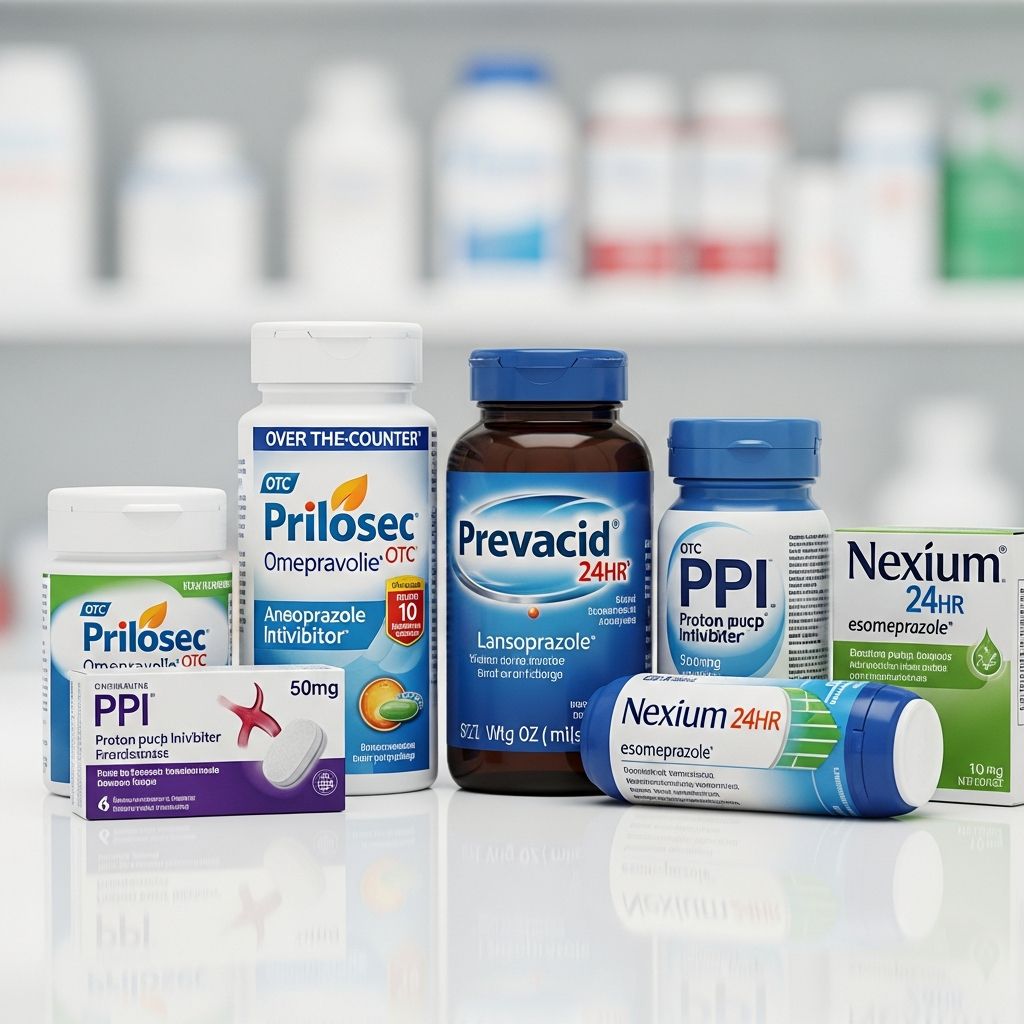
| #1 | Prilosec OTC | Omeprazole | Leading OTC PPI brand, widely available, proven efficacy for acid reflux relief |
| #2 | Nexium 24HR | Esomeprazole | Long-lasting relief, suitable for frequent acid reflux, 24-hour protection |
| #3 | Prevacid 24HR | Lansoprazole | 24-hour acid control, rapid action, effective for chronic heartburn |
| #4 | Zegerid OTC | Omeprazole Sodium Bicarbonate | Unique formulation with buffering agent, faster onset of action |
| #5 | Walgreens Omeprazole OTC | Omeprazole | Generic alternative, cost-effective, same active ingredient as Prilosec |
| #6 | Basic Care Omeprazole Delayed Release Tablets | Omeprazole | Budget-friendly option, delayed-release formulation for optimal absorption |
| #7 | CVS Health Lansoprazole OTC | Lansoprazole | Generic alternative to Prevacid, reliable acid suppression |
Prilosec OTC: #1 Choice for Acid Relief
Prilosec OTC containing omeprazole stands as the top recommended over-the-counter proton pump inhibitor. This brand-name medication has established itself as the leader in OTC acid reflux management, offering reliable and consistent relief for millions of users. Omeprazole works by directly blocking the proton pumps responsible for stomach acid production, providing effective symptom relief within hours of administration.
Nexium 24HR: Extended Protection
Nexium 24HR utilizes esomeprazole as its active ingredient and is specifically designed for individuals who experience frequent or persistent acid reflux. The formulation provides 24-hour protection from heartburn, making it an excellent choice for those who need continuous acid suppression throughout the day and night. Esomeprazole is known for its rapid absorption and sustained efficacy.
Prevacid 24HR: Chronic Heartburn Management
Prevacid 24HR contains lansoprazole and offers another excellent option for individuals with chronic heartburn conditions. Lansoprazole is recognized for its rapid action and ability to provide sustained acid control for a full 24-hour period. Many users report quick symptom relief and consistent protection when using this formulation regularly.
Zegerid OTC: Unique Buffered Formulation
Zegerid OTC stands apart from other options due to its unique combination of omeprazole with sodium bicarbonate. The buffering agent allows for faster onset of action compared to standard omeprazole formulations. This makes Zegerid OTC an attractive option for individuals who need more immediate relief from their acid reflux symptoms.
Generic Alternatives: Cost-Effective Solutions
Store-brand omeprazole and lansoprazole products from Walgreens and Basic Care offer identical active ingredients to their name-brand counterparts at significantly lower price points. These generic alternatives undergo the same FDA review and quality standards, making them excellent choices for budget-conscious consumers who don’t want to compromise on efficacy.
Active Ingredients Explained
Understanding the different active ingredients in OTC proton pump inhibitors helps in selecting the most appropriate medication for your needs:
Omeprazole
Omeprazole is the most commonly used active ingredient in OTC PPIs and serves as the foundation for Prilosec OTC, Zegerid, and several generic alternatives. This ingredient has the longest track record of use and extensive clinical data supporting its safety and efficacy. Omeprazole is particularly potent at inhibiting the CYP2C19 enzyme system, which impacts how certain other medications are metabolized in the body.
Esomeprazole
Esomeprazole, found in Nexium 24HR, is the active S-isomer of omeprazole and is considered by many to have enhanced bioavailability. This means the body can absorb and utilize it more efficiently, potentially providing faster and more sustained relief for some users.
Lansoprazole
Lansoprazole, the active ingredient in Prevacid 24HR and CVS Health alternatives, works similarly to omeprazole but has distinct pharmacokinetic properties. Some patients report better tolerance or preference with lansoprazole compared to other PPI options.
Efficacy and Side Effects Considerations
All OTC proton pump inhibitors work through similar mechanisms and have demonstrated efficacy for managing acid reflux when used as directed. Most users experience symptom relief within 1-4 days of starting treatment, though full therapeutic effect may take longer. The choice between different OTC PPIs often comes down to personal preference, price, and individual response to specific formulations.
While PPIs are generally well-tolerated, it’s important to be aware of potential side effects. Common side effects may include headache, nausea, diarrhea, or constipation in some users. Long-term use of PPIs has been associated with various concerns in medical literature, including potential effects on nutrient absorption and drug interactions, though most associations are based on observational data rather than clear causation.
For OTC use, which is typically recommended for short-term treatment (typically 14 days), serious adverse effects are uncommon. However, if you need to use PPIs for extended periods, consulting with a healthcare provider about appropriate monitoring and alternatives is advisable.
Drug Interactions and Important Considerations
PPIs can interact with certain medications by affecting how your body metabolizes them. Omeprazole, in particular, is a more potent inhibitor of the CYP2C19 enzyme system compared to other PPIs like pantoprazole. This is particularly relevant if you take antiplatelet medications like clopidogrel, as PPIs may reduce their effectiveness.
Additionally, PPIs can delay the clearance of drugs such as phenytoin, warfarin, and diazepam, requiring caution if you’re taking these medications. If you take any prescription medications regularly, consult your healthcare provider or pharmacist before starting an OTC PPI to ensure there are no potentially problematic interactions.
Choosing the Right OTC Proton Pump Inhibitor
Selecting the best OTC PPI for your needs depends on several factors:
Frequency of Symptoms
If you experience occasional acid reflux, a standard formulation may suffice. For frequent or chronic heartburn, extended-release options like Nexium 24HR or Prevacid 24HR provide more comprehensive protection throughout the day.
Speed of Relief
If you need faster symptom relief, Zegerid OTC’s buffered formulation may provide quicker results compared to standard enteric-coated tablets, which require time to reach the stomach’s acidic environment.
Budget Considerations
Generic omeprazole and lansoprazole products offer identical efficacy to name-brand alternatives at lower costs, making them excellent choices for cost-conscious consumers seeking value without sacrificing quality.
Personal Tolerance
Individual responses to different PPI formulations can vary. If you’ve had experience with one type of PPI, you may want to stick with that ingredient. However, if you haven’t used PPIs before, starting with a popular option like Prilosec OTC provides proven reliability.
Frequently Asked Questions About OTC PPIs
Q: How long can I safely take OTC proton pump inhibitors?
A: OTC proton pump inhibitors are designed for short-term use, typically 14 days. If you need acid suppression beyond this period, consult your healthcare provider about prescription options and appropriate monitoring.
Q: Can I take OTC PPIs every day?
A: OTC PPIs should not be taken daily for extended periods without medical supervision. They are formulated for short-term relief. For chronic acid reflux, prescription-strength PPIs with appropriate medical oversight are more appropriate.
Q: How long does it take for OTC PPIs to work?
A: Most users experience symptom relief within 1-4 days of starting treatment. However, it may take several days to achieve maximum therapeutic effect as the medication reaches steady state in your system.
Q: Are generic OTC PPIs as effective as brand-name versions?
A: Yes, generic alternatives like Walgreens or Basic Care omeprazole contain identical active ingredients and undergo the same FDA quality standards as brand-name products, making them equally effective.
Q: Can I take OTC PPIs with other medications?
A: Some PPIs may interact with certain medications, particularly those metabolized by CYP2C19 enzymes. Consult your pharmacist or healthcare provider about potential interactions before starting any OTC PPI.
Q: What should I do if OTC PPIs don’t relieve my symptoms?
A: If OTC PPIs don’t provide adequate relief, consult your healthcare provider. You may have a condition requiring prescription-strength medication, or your symptoms may indicate a more serious underlying issue requiring medical evaluation.
Q: Should I take PPIs before or after meals?
A: PPIs are most effective when taken 30 minutes to one hour before meals, as this allows the medication to reach parietal cells when proton pumps are activated during digestion.
When to Seek Professional Medical Advice
While OTC proton pump inhibitors are effective for occasional acid reflux, certain situations warrant professional medical consultation. Seek healthcare advice if you experience persistent symptoms despite OTC treatment, have warning signs like difficulty swallowing, vomiting blood, or black stools, are over 60 years old and need chronic acid suppression, or have significant medical conditions or take multiple medications that could interact with PPIs.
Conclusion
Over-the-counter proton pump inhibitors offer accessible and effective short-term relief for acid reflux and heartburn symptoms. Whether you choose the leading Prilosec OTC, the extended-release protection of Nexium 24HR, or a budget-friendly generic alternative, these medications work through proven mechanisms to reduce stomach acid production. The best OTC PPI for you depends on your specific symptoms, frequency of occurrence, budget, and individual tolerance. Remember that OTC PPIs are intended for short-term use, and if you require ongoing acid suppression, consulting with a healthcare provider ensures appropriate management and monitoring of your condition.
References
- The risks of long-term use of proton pump inhibitors: a critical review — National Center for Biotechnology Information (NCBI). 2019. https://pmc.ncbi.nlm.nih.gov/articles/PMC6463334/
- Proton Pump Inhibitors (PPI) – StatPearls — National Institutes of Health (NIH). https://www.ncbi.nlm.nih.gov/books/NBK557385/
- 25 Years of Proton Pump Inhibitors: A Comprehensive Review — Gut and Liver Journal. https://www.gutnliver.org/journal/view.html?doi=10.5009%2Fgnl15502
- Advantages and Disadvantages of Long-term Proton Pump Inhibitor Use — Journal of Neurogastroenterology and Motility. https://www.jnmjournal.org/journal/view.html?doi=10.5056%2Fjnm18001
- Is It Safe to Take PPIs? The Risks of Proton Pump Inhibitors Explained — Michigan Medicine. https://www.michiganmedicine.org/health-lab/it-safe-take-ppis-gastroenterologist-explains-risks
Similar Articles








Read full bio of Sneha Tete