Diabetic Cough Products: 6 Best Sugar-Free OTC Options
Top-rated sugar-free cough medications safe for people with diabetes and prediabetes.
Best OTC Diabetic Cough Products: A Comprehensive Guide
Managing a cough while living with diabetes requires careful consideration of medication ingredients, particularly sugar content and potential drug interactions. Cough products can contain significant amounts of sugar and glucose, which can negatively impact blood glucose levels in people with diabetes and prediabetes. This guide presents the best over-the-counter cough products specifically formulated or suitable for individuals managing diabetes.
Understanding the Challenge of Cough Medicine for Diabetics
People with diabetes face a unique challenge when selecting cough remedies. Traditional cough syrups often contain high levels of added sugars to improve taste, which can cause blood sugar spikes and complicate diabetes management. A national survey revealed that 43% of individuals diagnosed with diabetes experienced a spike in blood sugar levels after taking cold and cough medicine, highlighting the importance of choosing diabetic-friendly alternatives.
Over half of consumers (68%) express concern about hidden sugars in cough and cold medicines, and most people (90%) worry that medications may contain ineffective ingredients. When shopping for cough medicine, individuals with diabetes should prioritize products specifically formulated to be sugar-free or low-sugar, consult healthcare providers about potential interactions with diabetes medications, and verify FDA approval for safety and efficacy.
Top Diabetic Cough Products Ranked
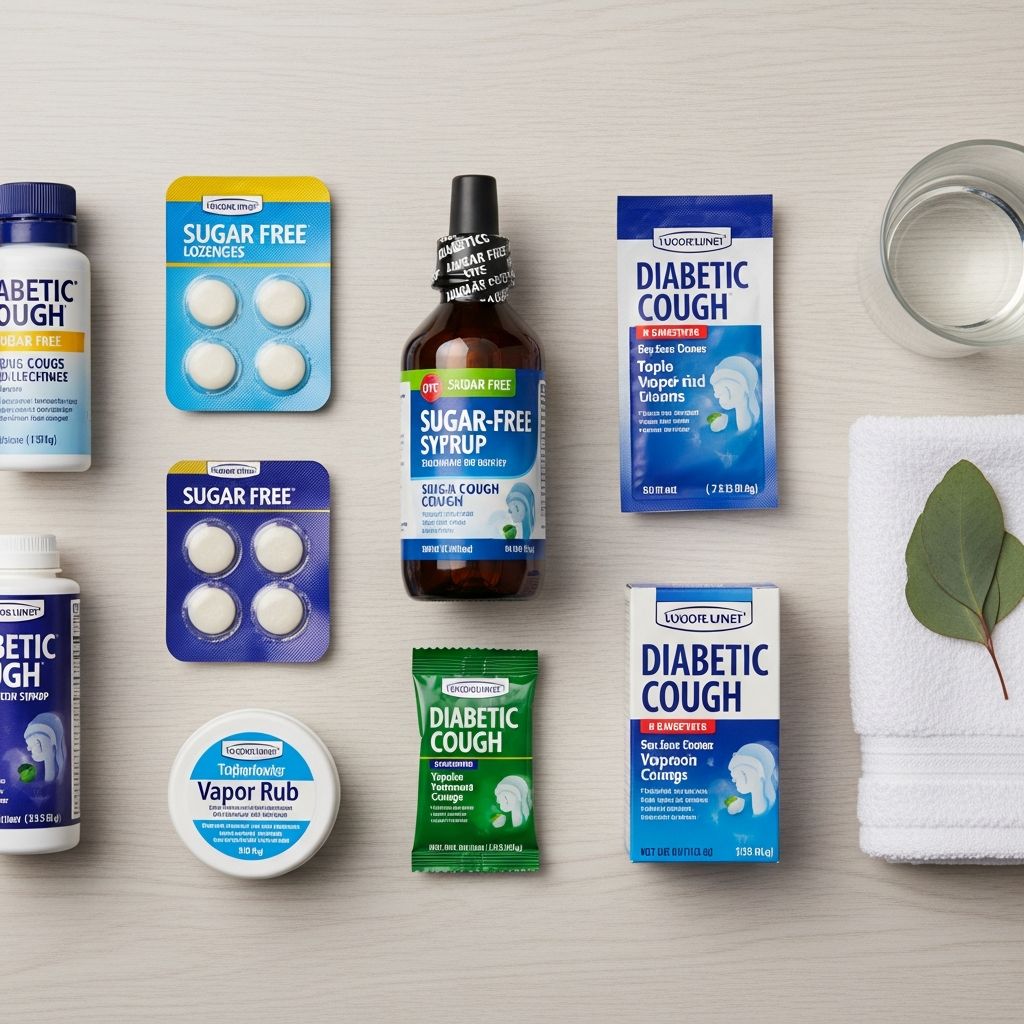
The following table presents the best-rated over-the-counter cough products suitable for diabetics, organized by rank and featuring their active ingredients and key benefits:
| Rank | Product Name | Active Ingredients | Key Benefits |
|---|---|---|---|
| #1 | Robitussin Sugar-Free Cough + Chest Congestion DM | Dextromethorphan, Guaifenesin | Dual-action formula for cough suppression and mucus clearance; trusted brand with FDA approval |
| #2 | Diabetic Tussin Cough Suppressant & Expectorant DM | Dextromethorphan, Guaifenesin | Specifically formulated for diabetes management; combines cough relief with congestion support |
| #3 | Halls Sugar-Free Cough Drops | Menthol | Convenient lozenge format; portable and long-lasting relief for throat irritation |
| #4 | Ricola Sugar-Free Cough Drops | Menthol | Natural herbal formulation; effective throat soothing without artificial sweeteners |
| #5 | Herbion Naturals Sugar Free Cough Drops | Menthol | Natural ingredient focus; plant-based formula for gentle relief |
| #6 | Rite Aid Pharmacy Tussin Sugar Free Cough DM | Dextromethorphan, Guaifenesin | Affordable option with proven effectiveness; pharmacy-branded quality assurance |
Key Active Ingredients Explained
Dextromethorphan (DM)
Dextromethorphan is a common cough suppressant found in many over-the-counter products. It works by affecting the cough center in the brain, reducing the urge to cough. This ingredient is effective for dry coughs and is generally safe for diabetics when used as directed. Many diabetic-friendly cough products include DM as their primary active ingredient.
Guaifenesin
Guaifenesin is an expectorant that helps thin and loosen mucus, making it easier to cough up. This ingredient is particularly beneficial for chesty coughs that produce phlegm or congestion. Products containing guaifenesin are ideal for individuals experiencing chest congestion alongside their cough, providing dual symptom relief.
Menthol
Menthol, derived from peppermint plants, provides soothing relief for throat irritation and cough. Found in many sugar-free cough drops and lozenges, menthol offers a natural alternative for managing mild cough symptoms. This ingredient is particularly suitable for those seeking natural or plant-based options.
Critical Factors to Consider When Choosing Diabetic Cough Medicine
Sugar Content and Blood Glucose Impact
The most crucial consideration when selecting cough medicine as a diabetic is sugar content. Many conventional cough syrups contain 4-8 grams of sugar per dose, which can cause rapid blood glucose spikes. Look specifically for products labeled “sugar-free” or “low-sugar.” Check the nutritional information panel for total carbohydrates and sugar alcohols, which may have a lesser but still measurable impact on blood glucose levels.
Drug Interactions with Diabetes Medications
Before taking any new cough medicine, consult with your healthcare provider or pharmacist about potential interactions with your diabetes medications. Common active ingredients like dextromethorphan and guaifenesin can interact with certain oral diabetes drugs or insulin regimens. Additionally, some cough medicines contain nonsteroidal anti-inflammatory drugs (NSAIDs) such as ibuprofen, which may not be recommended for individuals with diabetes-related kidney disease or high blood pressure complications.
Alcohol Content Considerations
Some liquid cough medicines contain alcohol as a preservative or ingredient. Alcohol can interfere with diabetes medications and contribute to unpredictable blood sugar fluctuations. When possible, choose alcohol-free formulations to maintain stable glucose control and ensure medication effectiveness. While the small amount of alcohol in cough medicine typically poses minimal risk, avoiding it altogether is the safer choice for consistent diabetes management.
Dosing Schedule and Medication Management
Consider how often you must take the medication. Some cough suppressants require dosing every few hours, which can complicate your already-structured diabetes medication schedule. When sick and managing multiple medications, it’s easy to forget doses or take them at incorrect times. Look for long-acting cough medicines with extended intervals between doses, which are often available in gel pill formulations that slowly release medication over several hours.
Brand Reputation and FDA Approval
Choose cough medicines from established, reputable brands that have undergone rigorous testing for safety and effectiveness. Products approved by the U.S. Food and Drug Administration (FDA) have met strict standards for quality, purity, and efficacy. Established brands generally have fewer harmful side effects and more reliable results, providing peace of mind during illness.
Product Selection by Symptom Type
For Dry Cough
If you’re experiencing a dry, unproductive cough without phlegm, look for products containing dextromethorphan (DM). Robitussin Sugar-Free Cough + Chest Congestion DM and Diabetic Tussin Cough Suppressant & Expectorant DM both effectively suppress dry coughs while remaining safe for diabetes management.
For Chesty Cough with Congestion
When you have a productive cough that generates phlegm and chest congestion, select products containing guaifenesin. This expectorant thins mucus secretions, making them easier to expel. Many combination products include both dextromethorphan and guaifenesin to address both cough suppression and mucus clearance simultaneously.
For Throat Irritation
Cough drops and lozenges containing menthol provide targeted throat relief. Halls Sugar-Free Cough Drops, Ricola Sugar-Free Cough Drops, and Herbion Naturals Sugar Free Cough Drops offer convenient portable options for soothing throat irritation throughout the day without impacting blood glucose levels.
Important Safety Considerations
Always read medication labels carefully before purchasing and consuming any cough medicine. Check for the complete list of active ingredients and compare them with your current diabetes medications to identify potential interactions. If you have diabetes-related complications such as kidney disease, high blood pressure, or heart disease, discuss your cough medicine selection with your healthcare provider before use.
Remember that while over-the-counter cough medicines are generally safe, individual responses can vary. Some individuals may experience side effects or unexpected blood glucose reactions. Monitor your blood sugar levels closely after taking any new medication and report significant changes to your healthcare provider.
Special Considerations for Different Diabetes Treatments
The type of cough medicine suitable for you may depend on your specific diabetes treatment plan. Those using insulin may have different considerations than those taking oral diabetes medications. Individuals on GLP-1 receptor agonists or other newer diabetes medications should verify compatibility with over-the-counter cough products. Your healthcare provider can provide personalized guidance based on your unique medication regimen and health status.
Frequently Asked Questions
Q: Can diabetics use regular cough syrup?
A: Regular cough syrup often contains significant amounts of sugar that can cause blood glucose spikes. It’s safer to use sugar-free formulations specifically designed for diabetics or approved by your healthcare provider.
Q: Are cough drops safer than liquid cough syrup for diabetics?
A: Sugar-free cough drops and lozenges can be safer alternatives to liquid syrups, as they typically contain less sugar. However, always check the label to ensure they are truly sugar-free before consuming.
Q: How do I know if a cough medicine will interact with my diabetes medication?
A: Check the medicine label for active ingredients and compare them with your diabetes medication list. Consult your pharmacist or healthcare provider before taking any new over-the-counter medication to ensure compatibility.
Q: What should I do if I experience a blood glucose spike after taking cough medicine?
A: Monitor your blood sugar levels and note the timing of the spike. Report this to your healthcare provider and switch to a different diabetic-friendly cough product they recommend.
Q: Are natural cough drops better for diabetes?
A: Natural cough drops may be beneficial, but “natural” doesn’t automatically mean diabetic-safe. Always verify that natural products are sugar-free and check with your healthcare provider about suitability.
Q: Can I take multiple cough medications together?
A: Combining medications can increase the risk of overdose or adverse interactions. Use only one cough product at a time, unless specifically directed by your healthcare provider.
Q: How long can I safely use diabetic cough medicine?
A: Most over-the-counter cough medicines are intended for short-term use (typically 7-10 days). If your cough persists beyond this period, consult your healthcare provider.
Making Your Final Selection
Choosing the right cough medicine as a diabetic requires thoughtful consideration of multiple factors. Prioritize sugar-free formulations from reputable brands with FDA approval. Review active ingredients carefully and consult with your healthcare provider or pharmacist about potential interactions with your specific diabetes medications and any related complications.
Consider your specific symptom profile—whether you need cough suppression, mucus clearance, or throat soothing—and select products formulated to address your particular needs. Keep track of how your blood glucose responds to any new medication and maintain open communication with your healthcare team about your treatment choices.
References
- Diabetic Cough Products — Money.com. 2025. https://money.com/best-otc-drugs/diabetic-cough-products/
- Cough Medicine and Diabetes: 5 Things To Look For — DiabetesTeam. 2024. https://www.diabetesteam.com/resources/cough-medicine-and-diabetes-things-to-look-for
- Confronting “Tripledemic,” Americans Are Concerned About Cough Syrup Effectiveness and Formulas with Hidden Sugars — PRNewswire/Diabetic Tussin. 2023-12-18. https://www.prnewswire.com/news-releases/confronting-tripledemic-americans-are-concerned-about-cough-syrup-effectiveness-and-formulas-with-hidden-sugars-302017149.html
- U.S. Food and Drug Administration — Guidance on Over-The-Counter Cough and Cold Products — FDA. 2024. https://www.fda.gov/drugs/over-counter-drugs/over-counter-cold-and-cough-medicines
- American Diabetes Association — Medication Management — ADA. 2024. https://www.diabetes.org/living-with-diabetes/treatment-and-care/medication
Similar Articles








Read full bio of medha deb