10 Best Organizational Blogs For A Clutter-Free Life
Discover top organizational blogs that simplify decluttering, productivity, and home systems so you can stress less and live more.
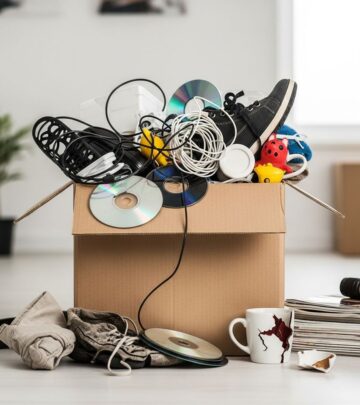
Staying organized can make every part of life easier. Research shows that physical clutter can reduce focus and increase stress, while organized environments are linked to better productivity and a greater sense of control over your day. At the same time, living with less stuff is associated with more intentional spending and better overall financial well-being. If you want to feel calmer at home, manage your time better, or get more done with less effort, the best organizational blogs can give you the ideas and motivation you need.
This guide highlights 10 standout organizational blogs that share practical, realistic tips on decluttering, time management, productivity, minimalism, and home systems. Use them for inspiration, step-by-step strategies, and encouragement as you create a more organized life that supports your goals.
Why Following Organizational Blogs Can Really Help
You do not need a perfect planner or a professional organizer to make progress. What you do need is consistent inspiration and practical strategies. That is where organizational blogs can be especially helpful.
- Fresh ideas: Get new approaches for tackling clutter hotspots, from your entryway to your inbox.
- Accountability: Many bloggers share challenges and checklists you can follow week by week.
- Real-life examples: See how other people organize small spaces, busy households, or hybrid work lives.
- Mindset shifts: Learn to think differently about stuff, time, and priorities, not just about storage bins.
Below, you will find a mix of minimalist blogs, home organization blogs, productivity blogs, and decluttering blogs, each with its own style and focus.
10 Best Home & Life Organization Blogs
| Blog | Focus | Best For |
|---|---|---|
| Be More With Less | Minimalism & simple living | Letting go of excess and simplifying life |
| Clutterbug | Home organization by organizing style | Figuring out your personal organizing type |
| The Home Edit | Stylish home organization | Visual inspiration and system-based organizing |
| Just a Girl and Her Blog | Home projects, organizing, blogging | DIY organization and printable planners |
| Organise My House | Whole-house decluttering & routines | Room-by-room home systems |
| A Bowl Full of Lemons | Cleaning, organizing, and challenges | Step-by-step decluttering plans |
| IHeart Organizing | Creative storage & décor | Pretty, functional organization ideas |
| Living Well Spending Less | Organization & frugal living | Organizing with a money-conscious focus |
| Unclutterer | Practical, minimalist organizing | Simple systems for everyday life |
| Becoming Minimalist | Minimalism & intentional living | Mindset and motivation to own less |
1. Be More With Less
Be More With Less focuses on minimalism and intentional living. Rather than adding more storage, the content emphasizes owning less and choosing what truly matters.
Typical topics include:
- How to let go of sentimental items without guilt
- Simple wardrobe strategies (like capsule closets)
- Slowing down your schedule to reduce stress
This kind of minimalist approach lines up with research showing that people who consciously prioritize experiences and values over possessions often report higher life satisfaction.
2. Clutterbug
Clutterbug is built around a unique framework: it categorizes organizing styles into different “bugs.” Each style reflects how you naturally prefer to store, see, and access things.
Common content themes include:
- Identifying your organizing style so systems feel natural
- Room makeovers tailored to different personality types
- Kid-friendly organization that is easy to maintain
Understanding your personal tendencies can make organizing far easier to maintain because the systems fit how you already think and move through your home.
3. The Home Edit
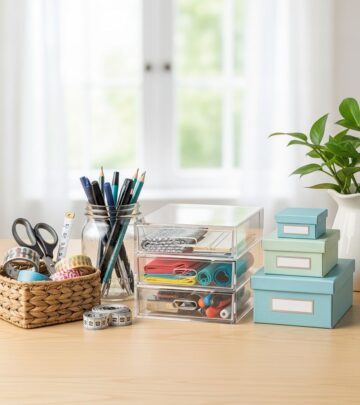
The Home Edit combines function and aesthetics, featuring clear bins, labels, and color-coded systems. Their projects show that organization can be both practical and visually pleasing.
Expect content about:
- Creating zones (like snack stations, coffee bars, or craft zones)
- Maintaining systems with labels and containers
- Organizing small spaces like pantries, fridges, and closets
Visually clear systems can reduce decision fatigue, because items have a consistent home and are easy to see at a glance.
4. Just a Girl and Her Blog
Just a Girl and Her Blog blends home organizing, DIY projects, and productivity. It is especially helpful if you like detailed tutorials and printable tools.
You will often find:
- Step-by-step home organizing projects
- Printable planners and checklists for tracking tasks
- Ideas for organizing paperwork, offices, and digital files
If you enjoy planning on paper, customizable printables can support better time management. Studies suggest that externalizing tasks onto lists reduces cognitive load and makes it easier to prioritize.
5. Organise My House
Organise My House focuses on simplifying your entire home with practical, realistic steps. Instead of one-time overhauls, the blog emphasizes systems and routines.
Core topics usually include:
- Room-by-room decluttering plans
- Daily, weekly, and monthly home routines
- Creating a home that supports your lifestyle and schedule
Building routines around cleaning and organization can make upkeep less overwhelming by breaking tasks into smaller, recurring actions.
6. A Bowl Full of Lemons
A Bowl Full of Lemons is known for its organizing and cleaning challenges. These challenges break big projects into manageable daily assignments, which can help you take consistent action.
Popular themes include:
- Comprehensive home organization challenges
- Cleaning routines and supply checklists
- Budget binders, bill organizing, and paperwork systems
Short daily tasks line up with behavioral research showing that small, repeated actions are more likely to become habits than large, sporadic efforts.
7. IHeart Organizing
IHeart Organizing focuses on organization that is both pretty and practical. If you are motivated by design and aesthetics, this blog can make organizing feel more creative and enjoyable.
Expect posts about:
- Creative storage for entryways, playrooms, and small spaces
- Labeling, color coding, and decorative bins
- Blending organization with home décor
Personalizing your systems makes you more likely to use and maintain them, because you enjoy the space you have created.
8. Living Well Spending Less
Living Well Spending Less connects organization with smart money management. It shows how simplifying your home and routines can also support your budget and financial goals.
Typical content includes:
- Decluttering to avoid buying duplicates and wasting money
- Meal planning and grocery organization to cut food costs
- Time management systems for busy families
Research indicates that cluttered homes are often linked with higher stress and more impulsive spending, while organized spaces can support more intentional financial decisions.
9. Unclutterer
Unclutterer shares straightforward advice on simplifying your possessions, spaces, and routines. The emphasis is on clarity: if it does not serve a purpose or bring value, it might be time to let it go.
Common themes include:
- Decluttering strategies for every room
- Paper and digital organization tips
- Minimalist approaches to everyday items
This practical approach can be especially useful if you feel overwhelmed and just want clear, actionable steps.
10. Becoming Minimalist
Becoming Minimalist focuses on owning less to live more. It explores how reducing physical clutter can open up time, energy, and money for what you truly care about.
Expect to read about:
- Why less stuff can lead to more freedom
- Mindset shifts that make decluttering easier
- Minimalism with families and kids
Minimalism often encourages a more intentional relationship with spending and consumption, which can support long-term financial health and reduced stress.
How Getting Organized Supports Your Money Goals
These blogs focus on home and life organization, but their lessons can strongly impact your finances too. Organized systems help you:
- Avoid duplicate purchases: When you can easily see what you own, you are less likely to buy replacements unnecessarily.
- Meal plan and reduce food waste: An organized kitchen and pantry makes it easier to cook at home instead of relying on takeout.
- Stay on top of bills: A simple system for paperwork and digital reminders helps you avoid late fees.
- Protect your time: Time saved by having clear routines can be redirected toward side hustles, career growth, or financial education.
These benefits align with broader evidence that better everyday organization and planning behaviors are associated with more consistent saving and lower financial stress.
Simple Steps To Start Using Organizational Blogs Effectively
To get real results from these blogs, focus on implementation rather than just inspiration.
- Pick 1–2 blogs that match your personality and current needs instead of trying to follow everything at once.
- Choose one small project (like a junk drawer or your entryway) and follow a step-by-step post or challenge.
- Set a realistic time limit: 15–30 minutes a day can be enough to build momentum.
- Track your progress with photos or a checklist so you can see the difference you are making.
- Connect organizing to goals: For example, link decluttering your kitchen to eating at home more and saving money.
Frequently Asked Questions (FAQs)
Q: Which organizational blog is best for beginners?
If you are just getting started, a practical, step-by-step site like A Bowl Full of Lemons or Organise My House can be especially helpful because they offer structured challenges and routines that are easy to follow.
Q: How do I choose the right organizational blog for me?
Start by thinking about your biggest struggle: clutter, time, paper, or all of the above. Then choose a blog that focuses on that area and matches your style—minimalist blogs if you want less stuff, or more design-focused blogs if aesthetics motivate you.
Q: Can getting organized really help my finances?
Yes. Organized spaces and systems can reduce duplicate purchases, help you track bills and paperwork, and support habits like meal planning, all of which can contribute to spending less and saving more over time.
Q: How much time should I spend organizing each week?
It is better to work in small, consistent blocks—such as 15–30 minutes a day—than to wait for a free weekend. Regular, bite-sized sessions make it easier to build habits and avoid burnout.
Q: Should I focus on decluttering or buying organizing products first?
Start with decluttering. Once you know what you are keeping, you can choose storage solutions that fit your actual needs instead of buying containers that may just add to the clutter.
References
- Clutter, Chaos, and Overload: The Impact of Clutter on Mood and Well-Being — Saxbe, D. & Repetti, R., Personality and Social Psychology Bulletin. 2010-02-08. https://doi.org/10.1177/0146167209352864
- Materialism and Well-Being: A Meta-Analysis — Dittmar, H. et al., Journal of Personality and Social Psychology. 2014-07-28. https://doi.org/10.1037/a0037409
- Decision Fatigue Exhausts Self-Regulatory Resources — Baumeister, R. et al., Journal of Personality and Social Psychology. 1998-04-01. https://doi.org/10.1037/0022-3514.74.5.1252
- The Pen Is Mightier Than the Keyboard: Advantages of Longhand Over Laptop Note Taking — Mueller, P. & Oppenheimer, D., Psychological Science. 2014-04-23. https://doi.org/10.1177/0956797614524581
- The Power of Habit — Duhigg, C., Random House. 2012-02-28. https://www.randomhousebooks.com/books/109408/
- Financial Capability and Wellbeing in the United States — Consumer Financial Protection Bureau. 2017-09-26. https://www.consumerfinance.gov/data-research/research-reports/financial-well-being-american-public/
Similar Articles








Read full bio of Sneha Tete