Best of Personal Finance Roundup: How to Sew a Button
Discover essential frugal living tips from sewing buttons to DIY curtains, saving money on clothes, home projects, and family lessons.
This roundup features the best in personal finance and frugal living advice from Wise Bread contributors. From mastering basic sewing skills like attaching a button securely to tackling larger DIY projects such as making your own curtains, these tips help you stretch your dollars further. Learn how to extend the life of your wardrobe without spending big, get creative with spare buttons, and turn everyday moments into valuable money lessons for your kids. Perfect for anyone looking to embrace thrifty habits that pay off in savings and satisfaction.
How to Sew a Button on Correctly
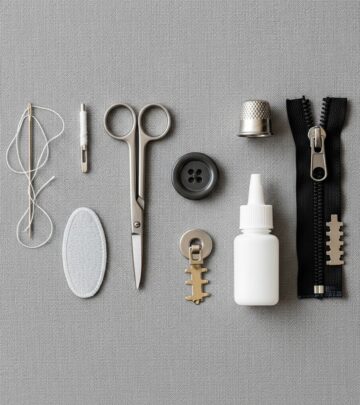
Sewing a button back on is a simple skill that saves money on clothing repairs and extends the life of your favorite garments. Machine-sewn buttons often come loose easily, but hand-stitching them properly takes just minutes and ensures they stay put.
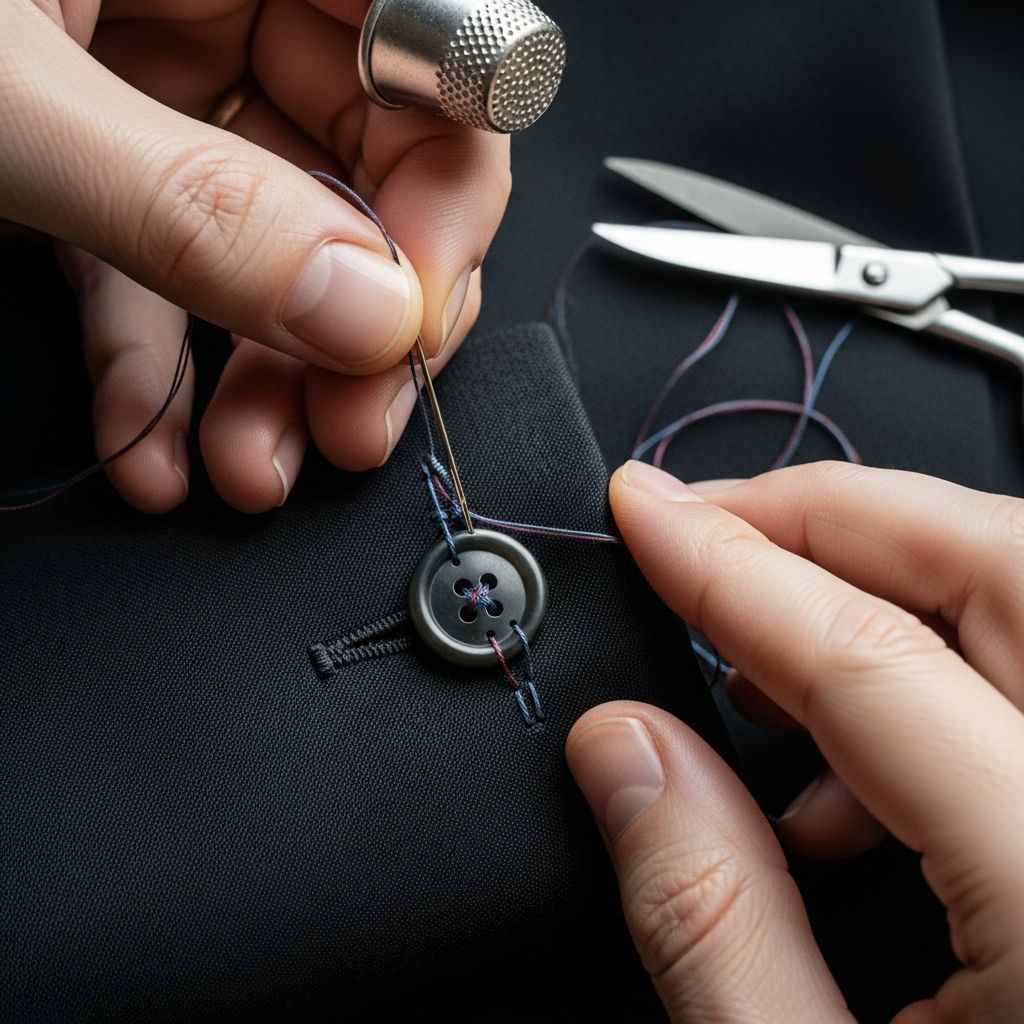
Start by selecting a thread that matches your fabric—strong polyester or cotton thread works best for durability. Thread your needle, knot the end, and position the button over the original holes. For a
shank button
(with a loop on the back), simply stitch through the loop multiple times, creating a secure anchor. For aflat button
with holes, align it correctly and sew in an “X” pattern or parallel lines depending on the hole configuration.To create a sturdy hold, pass the needle through each hole 4-6 times, then make a few small stitches between the button and fabric to form a shank, allowing flexibility and preventing popping. This technique prevents puckering and ensures the button withstands repeated use. Finish with a knot hidden under the fabric and trim excess thread. Practice on scrap fabric first for confidence.
Related: Teach this skill to older kids as a fix-it lesson alongside patching clothes or repairing bike tires.
How to Make Your Own Curtains
Making your own curtains is an accessible DIY sewing project that saves hundreds compared to store-bought options while customizing perfectly to your windows. Whether softening a room or boosting privacy, this step-by-step guide turns fabric into functional decor.
Step 1: Measure Your Windows
Assess your windows’ purpose—light blocking, privacy, or decoration. For length, measure from rod to below the trim, adding 3-5 inches for a bottom hem and 1.5-2 inches for the top (for rod pocket or clip). Allow extra width for fullness; aim for 1.5-2 times the window width per panel. A 0.5-inch turn-under per hem ensures clean edges.
Step 2: Choose Fabric and Tools
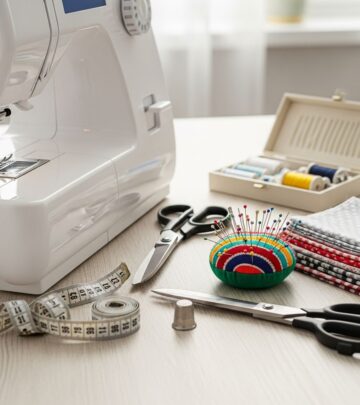
Opt for affordable cotton or blends from discount fabric stores—avoid overpriced decorator fabrics. You’ll need a sewing machine (hand-sewing is tedious), pins, iron, scissors, thread, and measuring tape. Pre-shrink washable fabrics to prevent future shrinkage.
Step 3: Cut and Prep Fabric
Lay fabric on a flat surface like a dining table for accuracy. Cut panels to size, marking hem lines with a fabric pencil. Straighten edges using the table’s square ends as guides. Iron fabric wrinkle-free before hemming.
Step 4: Hem the Sides
Fold sides 0.5 inches under, iron, then fold again 1-1.5 inches. Pin and sew straight, minimizing puckers by sewing slowly with even pressure. This creates professional edges.
Step 5: Hem Top and Bottom
Top: Fold 0.5 inches, iron; fold again 1.5 inches for versatile rod pocket or fold-over. Sew close to the inner fold. Bottom: 0.5-inch fold, then 3-5 inches for weighty drape. Iron, pin, sew. Hang and enjoy diffused light through your custom creation.
Readers rave: One user hemmed Target panels for $15 basement windows; another noted it’s easier than patterned sewing.
16 Ways to Make Your Clothes Last Longer Without Spending Big
Extending clothing life is a cornerstone of frugal fashion. Start with proactive repairs like hand-stitching loose buttons immediately—a few turns secure them far better than factory sewing.
- Wash Smart: Use cold water, inside-out, and air-dry to prevent fading and shrinkage. Mesh bags protect delicates.
- Store Properly: Cedar blocks or lavender sachets deter moths; fold knits to avoid stretching.
- Spot Treat Stains: Dab with vinegar or baking soda before full washes.
- Mend Early: Patch holes, reinforce seams—skills like button sewing pay off here.
- Rotate Wardrobe: Give items rest between wears to reduce wear.
- Professional Touches: Dry clean sparingly; DIY alterations fit better.
- Weatherproof: Spray fabrics for water resistance.
- De-pilling: Use razors or lint shavers.
- Shoe Care: Polish and trees extend pairs.
- Layer Strategically: Protect base layers from friction.
- Freeze Odors: For unwashables, freezer kills bacteria.
- Sun Dry: UV kills germs naturally.
- Steam Wrinkles: Revives without washing.
- Button Backup: Sew extras inside hems.
- Fabric Softener Sheets: In drawers absorb odors.
- Quality Over Quantity: Invest in durable basics.
These habits minimize replacements, saving big over time.
10 Ways to Reuse Buttons
Spare buttons from old clothes accumulate—turn them into treasures with these creative, zero-cost projects.
- Button Art: Cover throw pillows with mosaics for eclectic decor.
- Magnets: Glue to magnets for fridge fun.
- Keychains: Cluster on rings for unique accessories.
- Earrings: Pair with wires for boho jewelry.
- Bookmarks: Stitch to ribbons.
- Coasters: Arrange on felt bases.
- Wall Hooks: Screw to boards for light hanging.
- Potpourri Jars: Glue lids for airtight seals.
- Scrapbook Embellishments: Adhere to pages.
- Garden Markers: Attach to stakes labeling plants.
Reuse prevents waste and sparks creativity—ideal for kids’ crafts too.
6 Great Teachable Money Moments to Share With Your Kids
Turn repairs into lessons: Teach button sewing or patching as fix-it skills alongside budgeting basics.
- Grocery Shopping: Compare prices, use coupons.
- Bank Visits: Explain deposits, interest.
- Allowance Chores: Earn vs. entitlement.
- Impulse Control: Wait 24 hours before buys.
- DIY Repairs: Button sewing shows self-reliance.
- Charity: Donate to instill giving.
These moments build lifelong frugal habits.
101 Ways to Save Money Around the House (Highlights)
Beyond sewing, save with energy tweaks, DIY shelves, and thrift like t-shirt quilts.
| Category | Tip | Savings Potential |
|---|---|---|
| Energy | Replace single-pane windows | High |
| Crafts | T-shirt quilts | Medium |
| Repairs | DIY button fixes | Low but cumulative |
Frequently Asked Questions (FAQs)
Can beginners sew on a button?
Yes, it takes 5 minutes with practice—no machine needed. Use the shank technique for best results.
Is making curtains cheaper than buying?
Absolutely—custom panels cost half, with fabric under $20 per window.
How do I make clothes last years?
Hand-stitch buttons early, wash cold, air-dry, and mend promptly.
What are fun button reuse ideas?
Pillows, magnets, jewelry—endless crafts from spares.
Best money lessons for kids?
DIY repairs like sewing teach self-sufficiency and value.
References
- How to Make Your Own Curtains — Wise Bread. 2010-approx. https://www.wisebread.com/how-to-make-your-own-curtains
- 16 Ways to Make Your Clothes Last Longer Without Spending Big — Wise Bread. 2010-approx. https://www.wisebread.com/16-ways-to-make-your-clothes-last-longer-without-spending-big
- Recent comments on Wise Bread — Wise Bread. 2010-approx. https://www.wisebread.com/comments/www.freemoneybook.weebly.com?page=1474
- Recent comments on Wise Bread — Wise Bread. 2010-approx. https://www.wisebread.com/comments/86?page=1913
- 10 Ways to Reuse Buttons — Wise Bread. 2010-approx. https://www.wisebread.com/10-ways-to-reuse-buttons
- 6 Great Teachable Money Moments to Share With Your Kids — Wise Bread. 2010-approx. https://www.wisebread.com/6-great-teachable-money-moments-to-share-with-your-kids
Similar Articles








Read full bio of Sneha Tete