Best Mortgage Loan Types Guide
Discover the ideal mortgage for your needs with our detailed comparison of loan types, rates, and eligibility to secure your dream home.

Selecting the right mortgage loan is a pivotal decision for homebuyers, balancing factors like interest rates, down payments, credit requirements, and long-term affordability. This guide breaks down major mortgage categories, helping you navigate options from conventional to government-backed loans based on your financial profile and homeownership goals.
Core Mortgage Categories Explained
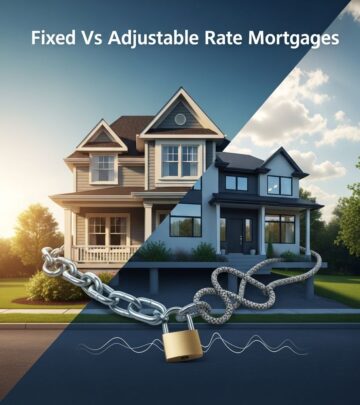
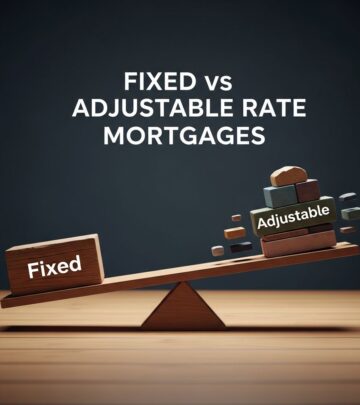
Mortgages fall into two primary structures: fixed-rate and adjustable-rate, with variations tailored to specific borrower needs like military service or rural locations. Understanding these foundations ensures informed choices amid fluctuating market conditions.
Fixed-Rate Mortgages: Stability First
Fixed-rate mortgages lock in your interest rate for the entire loan term, typically 15 or 30 years, shielding borrowers from rate hikes. Monthly principal and interest payments remain constant, though escrow items like taxes and insurance may vary.
Ideal for long-term homeowners planning to stay 10+ years, these loans simplify budgeting. Shorter 15-year terms offer lower total interest but higher monthly payments.
Adjustable-Rate Mortgages: Initial Savings with Risks
Adjustable-rate mortgages (ARMs) feature a low introductory fixed rate for 5-10 years, then adjust periodically based on market indexes. They suit short-term owners or those expecting to refinance before adjustments.
While starting payments are lower, potential increases post-fixed period demand financial preparedness. ARMs shine when fixed rates are elevated.
Government-Backed Home Loans
Federal programs reduce barriers for underserved groups, offering low down payments and flexible credit standards through insurance or guarantees.
FHA Loans for Emerging Buyers
Federal Housing Administration (FHA) loans require just 3.5% down for scores 580+, with acceptance of lower credit. Mandatory mortgage insurance elevates costs, but accessibility aids first-timers.
- Down payment: 3.5% minimum
- Credit score: 580+ preferred
- Loan limits apply; suitable for modest homes
- MIP required regardless of down payment size
VA Loans: Veteran Advantages
Department of Veterans Affairs (VA) loans provide 0% down for eligible service members, veterans, and spouses, no PMI, and competitive rates. Moderate credit suffices.
- 0% down payment
- No private mortgage insurance
- Funding fee applies (waivable in some cases)
- Available for purchase or refinance
USDA Loans for Rural Properties
U.S. Department of Agriculture (USDA) loans target low-to-moderate income buyers in eligible rural areas, offering 0% down with income caps and location restrictions. Guarantee fees mimic insurance.
- 0% down payment
- Low credit requirements
- Rural eligibility required
- Fixed rates common
Conventional and Specialized Mortgages
Non-government loans dominate for qualified borrowers seeking flexibility and potentially lower long-term costs.
Conventional Loans: Standard Choice
Conventional loans, not federally backed, demand 3-20% down, strong credit (620+ FICO), and income verification. No PMI with 20%+ down; simpler processes than government options.
Flexible terms (10-30 years) and lower rates for high-credit borrowers make them popular.
Jumbo Loans for Luxury Homes
Jumbo loans exceed conforming limits ($832,750 in most areas as of 2026), financing high-value properties. They require 700+ credit, 10-20%+ down, and reserves due to elevated risk.
Higher rates reflect lender exposure; specialize with experienced providers.
Equity-Based Options: HELOCs and Home Equity Loans
Home Equity Lines of Credit (HELOCs) offer revolving variable-rate credit against home equity, ideal for ongoing needs over 10-20 years. Home equity loans provide fixed lump sums for 5-15 years.
Both leverage existing ownership without primary mortgage refinancing.
Comparing Mortgage Options Side-by-Side
Use this table to weigh key differences at a glance:
| Loan Type | Min Down Payment | Credit Score | PMI/MIP | Best For |
|---|---|---|---|---|
| Fixed-Rate Conventional | 3-20% | 620+ | If <20% down | Strong credit, long-term stay |
| ARM | 3-20% | 620+ | If <20% down | Short-term ownership |
| FHA | 3.5% | 580+ | Yes | First-time, lower credit |
| VA | 0% | Moderate | No | Veterans/military |
| USDA | 0% | Low | Yes (guarantee fee) | Rural, low-income |
| Jumbo | 10-20%+ | 700+ | Usually | High-value homes |
Data synthesized from multiple lender guidelines.
Factors to Consider Before Choosing
Beyond type, evaluate these elements:
- Interest Rates & APR: Compare total costs including fees.
- Loan Term: Shorter saves interest; longer eases payments.
- Closing Costs: 2-5% of loan; shop lenders.
- Debt-to-Income Ratio: Under 43-50% typically required.
- Market Timing: Lock rates in rising environments.
Pre-approval clarifies eligibility and strengthens offers.
Steps to Secure Your Mortgage
- Check credit and boost score if needed.
- Calculate affordability (28/36 rule: housing <28% income; total debt <36%).
- Gather documents: pay stubs, tax returns, assets.
- Compare 3+ lenders for rates/terms.
- Apply and lock your rate.
- Finalize at closing.
Frequently Asked Questions (FAQs)
What mortgage is best for first-time buyers?
FHA loans offer low down payments and lenient credit, ideal for newcomers.
Is a 15-year or 30-year mortgage better?
15-year saves interest but demands higher payments; 30-year provides affordability.
Can I get a mortgage with bad credit?
FHA/USDA options accommodate lower scores, though rates/insurance rise.
What’s the difference between rate and APR?
Rate covers interest; APR includes fees for true cost comparison.
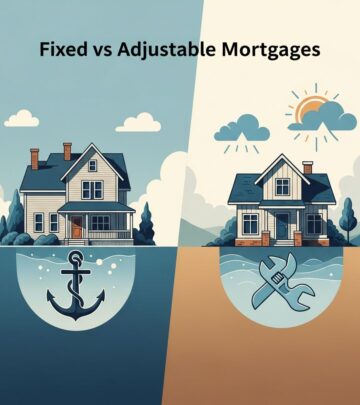
Should I get a fixed or adjustable-rate mortgage?
Fixed for predictability; ARM for short holds or low initial rates.
Final Tips for Mortgage Success
Consult a loan officer for personalized advice. Monitor 2026 conforming limits and rates via official sources. Prioritize total ownership costs over monthly payments alone. With the right loan, homeownership becomes a stable investment.
References
- 6 Types of home loans every buyer should know — Webster First. 2023. https://www.websterfirst.com/blog/6-types-of-home-loans/
- Types of Mortgage Options: Which Home Loan Is Best? — AFBank. 2026-01-01. https://www.afbank.com/article/types-of-mortgage-options-which-home-loan-is-best
- Understanding Common Types of Mortgage Loans — Freddie Mac. Recent. https://myhome.freddiemac.com/blog/homebuying/understanding-common-types-of-mortgage-loans
- Understanding Different Types of Home Loans — MySCCU. Recent. https://www.mysccu.com/learn/understanding-different-home-loans
- Mortgage Loan Types Explained — Capital Bank. Recent. https://www.capitalbank.com/mortgage-loan-types-explained-a-complete-guide-to-finding-the-right-home-financing-option/
- Understand the different kinds of loans available — Consumer Financial Protection Bureau (.gov). Recent. https://www.consumerfinance.gov/owning-a-home/explore/understand-the-different-kinds-of-loans-available/
- Types of Mortgages — Park State Bank. Recent. https://www.parkstatebank.com/mortgage/types-of-mortgages
Similar Articles








Read full bio of Sneha Tete