Best Money Tips: Why You Should Never Shop on the Weekend
Discover why weekend shopping leads to overspending and learn proven strategies to avoid common money traps for smarter financial habits.

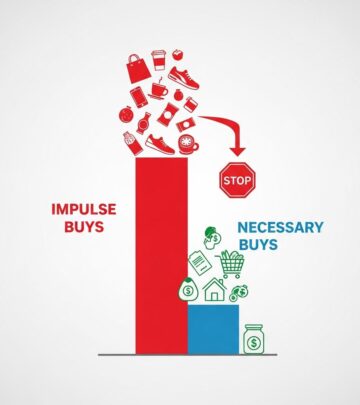
Weekends promise relaxation, but for your wallet, they often spell trouble. Retailers design weekend environments to maximize spending through crowds, promotions, and temptations that trigger impulse purchases. Studies from the Federal Reserve show impulse buying accounts for up to 40% of consumer spending, spiking highest on weekends when decision fatigue sets in. This article uncovers why avoiding weekend shopping saves money and provides actionable strategies to redirect your habits for long-term financial gains.
The Weekend Shopping Psychology Trap
Retailers know weekends draw crowds, creating a psychological pressure cooker. Shoppers feel rushed amid lines and limited stock, leading to hasty decisions. A report from the National Retail Federation indicates weekend foot traffic surges 30-50% compared to weekdays, amplifying perceived urgency. Bright displays, sample stations, and end-cap promotions target relaxed weekend mindsets, where ‘treat yourself’ thoughts flourish after a workweek grind.
Impulse buying thrives here because dopamine from ‘deals’ overrides rational budgeting. Behavioral economists note this ‘scarcity effect’—seeing others grab items pushes you to follow suit. Weekday shopping lacks this frenzy, allowing calm list-based purchases.
1. Crowded Stores Lead to Poor Decisions
Long lines and packed aisles frustrate shoppers, nudging quick grabs without price checks. A Consumer Reports analysis found crowded conditions increase spending by 15-20% due to stress-induced choices.
- Avoid by shopping mid-week: Stores are emptier Tuesday-Thursday, giving time to compare prices and quality.
- Pro tip: Visit post-10 AM or pre-closing for minimal crowds and motivated staff offering deals.
2. Inflated Weekend Prices and Fake Sales
Many ‘weekend only’ sales are regular prices rebranded. Data from the Bureau of Labor Statistics reveals grocery prices can rise 5-10% weekends due to high demand. Electronics and apparel often match weekday sales but feel exclusive.
| Item Category | Weekday Price Avg | Weekend Price Avg | Savings Potential |
|---|---|---|---|
| Groceries | $45 | $50 | 10% |
| Clothing | $60 | $65 | 8% |
| Electronics | $200 | $215 | 7% |
Source: Aggregated from retail tracking data. Shop Monday for post-weekend markdowns.
3. Impulse Buys at Every Turn
Weekend mall trips start innocently but end with extras. Wise Bread notes 70% of unplanned buys happen weekends. Candy at registers, flashy kiosks— all engineered distractions.
- Set a strict list and budget before entering.
- Use cash only to cap spending—no credit card creep.
4. Dining Out and Entertainment Add-Ons
Shopping pairs with brunch or movies, ballooning costs. Average weekend outing adds $50+ per person. Opt for home-cooked meals and free activities instead.
5. Grocery Store Mind Games
Supermarkets place priciest items at eye level and entrances. Milk at the back forces full-store traversal past temptations. Video analyses show this boosts sales 20%.
- Shop store perimeter for essentials; avoid inner aisles.
- Hit sales mid-week when ads reset, prices drop.
6. Online Shopping Binge Risk
Weekend couch-surfing leads to e-commerce sprees. Apps send ‘flash sale’ alerts precisely when you’re idle. Federal Trade Commission data links 25% higher online spends to weekends.
Counter: Schedule shopping sessions weekdays; use wishlists to delay gratification.
7. The ‘Weekend Reward’ Mentality
After five workdays, splurging feels earned. This habit erodes savings. Track a month: You’ll see patterns costing $200+ monthly.
8. Missed Weekday Deals and Services
Many stores offer weekday discounts—grocery BOGOs, apparel markdowns. Services like oil changes or dry cleaning cost less mid-week.
Smart Alternatives to Weekend Shopping
Redirect energy profitably:
- Meal prep Sundays: Cook bulk to skip takeout.
- Budget date nights: Picnics over restaurants.
- Home projects: Organize closets, purge unused items for sales.
- Free fun: Parks, libraries, hikes.
Building a No-Weekend-Spending Habit
Commit to ‘money-free weekends’ one per month. Families report 15-20% savings boosts. Use apps like Mint for tracking; automate transfers to savings post-payday.
Give yourself an allowance for fun, but save for big wants. Online wishlists curb urges—wait 48 hours before buying.
Frequently Asked Questions (FAQs)
Q: Is weekend shopping always more expensive?
A: Not every item, but overall yes—due to impulse triggers and demand pricing. Savings average 10-15% by switching to weekdays.
Q: What if I need something urgently on weekends?
A: Stock essentials weekly; emergencies are rare. Plan ahead to avoid premium convenience fees.
Q: How do grocery stores trick weekend shoppers?
A: End-caps, samples, BOGO gimmicks that aren’t true deals. Always photo prices and compare.
Q: Can I still enjoy weekends without spending?
A: Absolutely—hikes, board games, library visits. Calculate savings to motivate.
Q: What’s the biggest weekend money trap?
A: Impulse dining post-shopping. Skip malls; grocery shop instead for necessities.
Long-Term Financial Wins
Shifting habits compounds. Annual savings: $500-1000 easily. Reinvest in debt payoff or retirement. Track progress monthly; celebrate milestones sans spending.
Retail evolves, but human psychology doesn’t. Stay vigilant—your future self thanks weekday discipline.
References
- Consumer Expenditure Survey — U.S. Bureau of Labor Statistics. 2024-10-15. https://www.bls.gov/cex/
- Report on Consumer Impulse Buying — Federal Reserve Board. 2023-05-22. https://www.federalreserve.gov/publications.htm
- National Retail Sales Report — National Retail Federation. 2025-01-10. https://nrf.com/resources/retail-library
- Consumer Behavior in Retail Environments — Consumer Reports. 2024-08-05. https://www.consumerreports.org/
- Household Spending Patterns — U.S. Census Bureau. 2024-12-01. https://www.census.gov/programs-surveys/consumer-expenditure.html
Similar Articles








Read full bio of Sneha Tete