Best Money Tips: Things You Shouldn’t Pay For
Discover 50+ smart money-saving strategies to avoid unnecessary expenses and keep more cash in your pocket every month.
In today’s economy, every dollar counts. Smart consumers know that many everyday expenses are avoidable with a little creativity and planning. This comprehensive guide covers over 50 things you shouldn’t pay for, from household essentials to entertainment and services. By adopting these
frugal living
strategies, you can save hundreds or even thousands of dollars annually while maintaining your quality of life. We’ve organized the tips into clear categories for easy reference, complete with actionable advice, real-world examples, and potential savings estimates.Household Essentials You Can Get for Free or Cheap
Start with the basics in your home. Many “must-haves” have free or low-cost alternatives that work just as well.
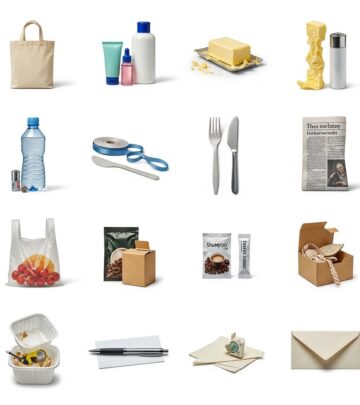
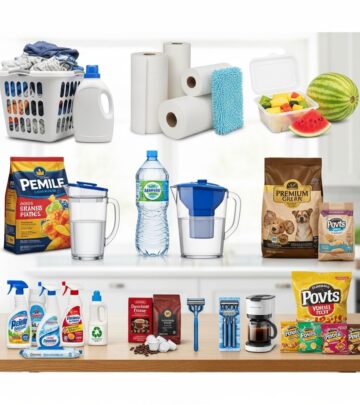
- Bottled water: Invest in a reusable water bottle and fill it from the tap. Use a simple filter if needed. Savings: $500+/year for a family of four.
- Paper towels: Switch to washable microfiber cloths or old t-shirts cut into rags. They’re more absorbent and eco-friendly.
- Trash bags: Line bins with newspaper or grocery bags you already have. Reuse shopping bags for smaller bins.
- Aluminum foil and plastic wrap: Use beeswax wraps, parchment paper, or glass containers with lids for food storage.
- Disposable plates and cutlery: Opt for durable, reusable dishware. Dishwashers make cleanup effortless.
These swaps not only cut costs but also reduce waste. According to the U.S. Environmental Protection Agency, American households throw away 25% of their food, much of which could be saved with better storage solutions.
Personal Care and Hygiene Hacks
Beauty and grooming products add up quickly. DIY versions and smart habits keep you looking sharp without the price tag.
| Item You Shouldn’t Pay For | Free/DIY Alternative | Annual Savings |
|---|---|---|
| Expensive shampoo/conditioner | Baking soda + apple cider vinegar rinse | $150 |
| Facial scrubs | Sugar + olive oil mix | $100 |
| Razors | Safety razors with replaceable blades | $200 |
| Lotions | Coconut oil or shea butter | $120 |
| Dry cleaning | Home steaming + spot treatment | $300 |
Pro tip: Libraries often lend beauty samples, and community swaps can provide free products. Stretch haircuts by learning basic trims via free online tutorials.
Food and Grocery Savings
Groceries are a major budget drain. Avoid these by shopping smarter.
- Pre-cut produce: Buy whole fruits and veggies and chop yourself. A whole pineapple costs half the price of pre-cut.
- Coffee shop drinks: Brew at home with a French press. Add flavors with free syrups from bulk buys.
- Convenience foods: Cook from scratch. Homemade granola bars cost pennies compared to store-bought.
- Restaurant condiments: Stock up on free packets from takeout (in moderation).
- Bagged salads: Wash and chop your own lettuce. Add toppings from your pantry.
Meal planning apps (many free) help minimize waste. Bulk buying at warehouse clubs like Costco beats premium grocery stores for staples.
Entertainment and Media on a Budget
Fun doesn’t have to be expensive.
- Cable TV: Cut the cord for streaming services with free trials or ad-supported options like Tubi and Pluto TV.
- Movie tickets: Use library DVDs, free streaming, or discount theaters. Host movie nights at home.
- Streaming subscriptions: Rotate services—pay for one per month, share with family.
- Books: Libraries, ebook lending, or free public domain downloads. Apps like Libby offer thousands of titles.
- Games: Free online versions or board game swaps. Libraries lend games too.
Public parks, hiking trails, and community events provide free entertainment. Picnics beat pricey outings.
Fitness and Health Without the Gym
Stay fit for free.
- Gym memberships: Bodyweight exercises, running outdoors, or YouTube workouts. Parks have free equipment.
- Personal trainers: Free apps like Nike Training Club or community classes.
- Sports leagues: Join free rec leagues or pickup games via Meetup.com.
- Yoga classes: Free online sessions from Yoga with Adriene.
- Workout clothes: Thrift stores or old tees work fine.
The CDC recommends 150 minutes of moderate exercise weekly—achievable without equipment.
Home Maintenance and Repairs
DIY saves big on services.
- Lawn care: Mow yourself or start a neighborhood co-op.
- Plumbing fixes: YouTube tutorials for unclogging drains.
- Pest control: Natural remedies like diatomaceous earth.
- Car washes: At-home with a bucket and hose.
- House cleaning services: Weekly deep cleans yourself with efficient tools.
Tools from library lending programs mean no upfront costs.
Technology and Gadgets
Avoid upgrade traps.
- New phones: Repair old ones or buy refurbished.
- Premium apps: Free alternatives like Google Docs instead of Microsoft Office.
- Extended warranties: Rarely worth it—manufacturer coverage suffices.
- Cloud storage: Free tiers from Google Drive (15GB).
- Printer ink: Refillable cartridges or go paperless.
Travel and Transportation Tips
Explore affordably.
- Airport parking: Use off-site lots or public transit.
- Hotels: Airbnb or hostels; loyalty programs for free nights.
- Rideshares: Bike shares, walking, or carpooling apps.
- Gas: Apps for cheapest stations; efficient driving habits.
- Souvenirs: Postcards or photos instead.
Professional Services You Can DIY
- Taxes: Free software like Credit Karma Tax for simple returns.
- Legal advice: Free clinics or templates online.
- Financial planning: Free tools from Vanguard or Fidelity.
- Resume writing: Templates from Canva.
- Pet grooming: Home baths and trims.
Childcare and Family Expenses
- Toys: Library toy lending or handmade crafts.
- Clothes: Hand-me-downs, swaps, thrift stores.
- Lessons: Free online tutorials (piano, art).
- Camp: Day camps at parks or family vacations.
- School supplies: Dollar stores or bulk buys.
Frequently Asked Questions (FAQs)
Q: How much can I really save with these tips?
A: Families report $1,000–$5,000 annual savings by cutting just 10–15 unnecessary expenses. Track yours with a budgeting app.
Q: Are DIY alternatives as good as paid products?
A: Often better—fresher ingredients, customizable, and eco-friendly. Test small batches first.
Q: What if I miss the convenience?
A: Batch-prep on weekends restores convenience. Habits form in 21 days.
Q: Is it safe to skip things like warranties or professional services?
A: Research first. Consumer Reports shows warranties pay out rarely; DIY works for 80% of home repairs.
Q: How do I stay motivated?
A: Track savings visually and reward yourself with fun, free activities like park picnics.
Implementing even half these tips transforms your budget. Share your favorites in the comments!
References
- Household Waste Prevention — U.S. Environmental Protection Agency. 2023-06-15. https://www.epa.gov/recycle/reducing-wasted-food-home
- Physical Activity Guidelines for Americans — Centers for Disease Control and Prevention. 2024-05-20. https://www.cdc.gov/physical-activity-basics/guidelines/adults.html
- Extended Warranties: Worth It or Not? — Consumer Reports. 2025-01-10. https://www.consumerreports.org/extended-warranties/
- National Retail Federation Consumer Spending Report — NRF. 2025-03-05. https://nrf.com/research
- Frugal Living Guide — U.S. Federal Trade Commission. 2024-11-12. https://consumer.ftc.gov/articles/budgeting-saving-money
Similar Articles








Read full bio of medha deb