Things You Should Always Spend More On: 11 Smart Investments
Smart spending strategies: Invest more in quality items that save money, boost health, and enhance life long-term.
In a world obsessed with saving every penny, it’s easy to fall into the trap of buying the cheapest options available. However, not all savings are created equal. Some investments in higher-quality items or experiences yield massive returns through durability, efficiency, health benefits, and overall life improvement. This article explores key categories where spending more upfront pays off exponentially over time. Drawing from financial wisdom and practical experience, we’ll cover why skimping can cost you more in the long run.
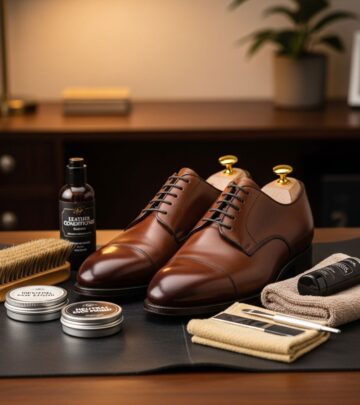
Shoes
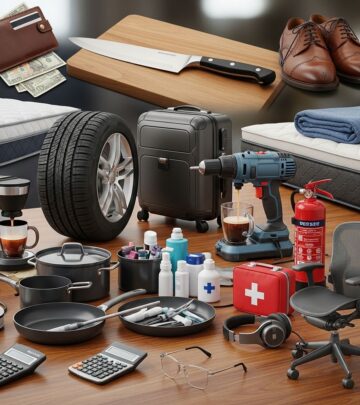
Cheap shoes might seem like a bargain, but they wear out quickly, leading to frequent replacements and foot problems. Investing in high-quality footwear ensures comfort, support, and longevity. Well-made shoes from reputable brands like those using premium leather and proper arch support can last years, reducing your overall spending.
- Durability: Quality shoes withstand daily wear without falling apart after a few months.
- Health benefits: Proper cushioning prevents blisters, bunions, and back pain.
- Cost per wear: A $150 pair lasting 1,000 miles costs $0.15 per mile, versus $0.50 for cheap $30 shoes lasting 60 miles.
Opt for brands certified by podiatrists or those with return policies allowing fit testing. Your feet—the foundation of mobility—deserve the investment.
Mattress
A good night’s sleep is priceless, yet many opt for budget mattresses that sag within a year, causing chronic pain and fatigue. Premium mattresses, often costing $1,000+, use advanced materials like memory foam or latex for optimal support and temperature regulation.
| Feature | Cheap Mattress (<$500) | Quality Mattress ($1,000+) |
|---|---|---|
| Lifespan | 3-5 years | 10-20 years |
| Back Support | Poor, leads to pain | Excellent, zoned coils |
| Warranty | 1-5 years | 10-25 years |
| Cost per Year | $100-167 | $50-100 |
Splurging here improves productivity, mood, and health. Trial periods from brands like Saatva or Tempur-Pedic make it risk-free.
Tools
Whether for DIY home repairs or hobbies, cheap tools break easily, frustrating projects and requiring replacements. High-quality tools from brands like DeWalt or Milwaukee feature superior materials, ergonomics, and warranties.
- Precision and power: Better batteries and motors handle tough jobs efficiently.
- Safety: Reliable grips and guards prevent accidents.
- Resale value: Quality tools hold value for future sales.
Start with essentials like a cordless drill set. Over time, they save hours and money compared to disposable bargain-bin finds.
Luggage
Budget luggage tears at seams, loses wheels, and fails during travel, stranding you with broken bags. Durable options with ballistic nylon, reinforced corners, and smooth spinners endure rough airport handling.
Key features to prioritize:
- Expandable designs for flexibility.
- Lifetime warranties against defects.
- Lightweight yet sturdy frames.
A $300 Travelpro lasts a decade of annual trips, versus replacing $100 bags every 2 years.
Knives
In the kitchen, dull, flimsy knives slow prep, ruin food, and pose risks. Premium knives from Wüsthof or Shun use high-carbon steel for razor sharpness and edge retention.
- Sharpening ease: Stay sharp longer with proper honing.
- Balance and comfort: Ergonomic handles reduce fatigue.
- Versatility: One set handles all tasks efficiently.
Invest in a 6-piece block set; proper maintenance ensures lifelong use.
Bedding
Cozy, breathable bedding promotes sleep quality. Cheap sheets pill and fade quickly, while high-thread-count cotton or linen from Frette or Brooklinen regulates temperature and feels luxurious nightly.
- OEKO-TEX certified for chemical-free sleep.
- Deep pockets fit modern mattresses.
- Machine-washable durability.
Upgrade to 400+ thread count for that hotel-like feel without the bill.
Experiences
Memories from concerts, travel, or classes outlast material goods. Financial experts emphasize experiences boost happiness more than possessions, per studies from Cornell University.
Prioritize:
- Family vacations building bonds.
- Courses enhancing skills and networks.
- Live events sparking joy.
Budget 10% of income here for lifelong fulfillment.
Education
Knowledge compounds like interest. Spend on courses, books, or certifications via platforms like Coursera or MasterClass to advance careers and open doors.
| Investment Type | Average ROI | Example |
|---|---|---|
| Online Course | 20-50% salary boost | Google Data Analytics Cert |
| MBA/Trade School | 30-100% over 5 years | Welding certification |
| Books/Seminars | Priceless insights | “Atomic Habits” |
Self-education yields the highest returns.
Financial Advice
Navigating taxes, investments, or debt? Fee-only advisors from NAPFA provide unbiased strategies saving thousands. Avoid commission-based traps.
- Hourly rates: $200-400.
- Focus on planning, not products.
- Long-term wealth building.
One session can optimize your portfolio for decades.
Healthcare
Preventive care like gym memberships, organic food, or annual checkups averts costly illnesses. Quality supplements and ergonomic chairs protect your most valuable asset: health.
Stats show every $1 in wellness spending saves $3.27 in medical costs (CDC data).
Quality Ingredients
Home cooking with premium staples like olive oil, spices, and meats elevates meals, reduces eating out. Bulk buys from Costco ensure freshness and savings.
Frequently Asked Questions (FAQs)
Q: How do I justify spending more on everyday items?
A: Calculate total cost of ownership—quality items last longer, perform better, and save repairs/replacements.
Q: What’s the best way to afford these splurges?
A: Prioritize needs, use cash-back apps, buy during sales, and cut low-value subscriptions.
Q: Are there brands you recommend for beginners?
A: Shoes: Allbirds or Brooks; Mattresses: Casper; Tools: Ryobi starter kits.
Q: Does this apply to renters or small spaces?
A: Absolutely—versatile, durable items benefit everyone regardless of lifestyle.
Q: How much should I allocate to experiences vs. things?
A: Aim for 50/50; experiences create irreplaceable value.
Embracing strategic spending transforms your finances from reactive penny-pinching to proactive wealth-building. Choose quality where it counts, and watch savings compound.
References
- Consumer Reports: Best Mattresses of 2024 — Consumer Reports. 2024-01-15. https://www.consumerreports.org/mattresses/
- CDC Workplace Health Promotion — Centers for Disease Control and Prevention. 2023-06-20. https://www.cdc.gov/workplacehealthpromotion/index.html
- FTC Consumer Advice on Financial Planners — Federal Trade Commission. 2024-03-10. https://consumer.ftc.gov/articles/financial-advisers-should-you-pay-what-you-get
- Journal of Consumer Research: Experiences vs. Possessions — Oxford University Press (DOI:10.1093/jcr/ucy053). 2018-10-01. https://doi.org/10.1093/jcr/ucy053
- Podiatry Today: Shoe Recommendations — HMP Global. 2024-02-05. https://www.podiatrytoday.com/
Similar Articles








Read full bio of medha deb