Best Money Tips: Simple Ways to End Bad Spending Habits
Discover practical, simple strategies to identify and break free from harmful spending patterns for lasting financial health.

Bad spending habits can quietly drain your finances, leading to debt accumulation and stalled financial goals. This guide outlines practical, actionable strategies drawn from proven personal finance principles to help you identify, address, and eliminate these habits for long-term financial stability.
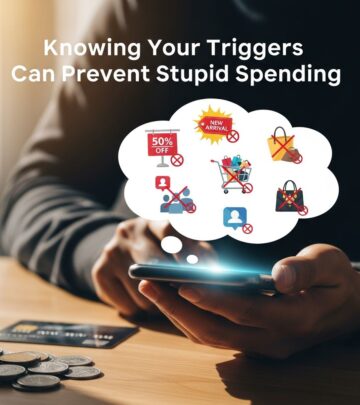
Understand Your Spending Triggers
The first step to ending bad spending is recognizing what prompts unnecessary purchases. Common triggers include emotional stress, boredom, social pressure, or targeted advertising. According to the Federal Reserve’s consumer expenditure data, discretionary spending often spikes during periods of high stress, underscoring the need for awareness.
- Track daily triggers: Keep a journal noting emotions or situations before each purchase.
- Review ads exposure: Limit social media and email marketing subscriptions that fuel impulse buys.
- Social accountability: Share your goals with friends to reduce peer-influenced spending.
By pinpointing these triggers, you create space to pause and reassess before spending.
Create a Realistic Budget
A budget acts as a financial roadmap, preventing overspending by allocating funds purposefully. The Consumer Financial Protection Bureau emphasizes that households using budgets save an average of 15-20% more monthly. Start with the 50/30/20 rule: 50% needs, 30% wants, 20% savings/debt.
| Category | Percentage | Example ($4,000 Monthly Income) |
|---|---|---|
| Needs (rent, food, utilities) | 50% | $2,000 |
| Wants (dining, entertainment) | 30% | $1,200 |
| Savings/Debt | 20% | $800 |
Adjust based on your income and review monthly to refine accuracy.
Track Every Penny
Expense tracking reveals hidden leaks like daily coffees adding up to hundreds yearly. Apps like Mint or a simple spreadsheet enforce accountability. A study by the American Psychological Association shows tracking increases savings by 25% through heightened awareness.
- Use cash for discretionary spending to feel the outflow tangibly.
- Review weekly: Categorize and cut the top three offenders.
- Set phone reminders for logging in real-time.
Implement the 30-Day Rule for Non-Essentials
Impulse buys account for 40% of retail spending, per National Retail Federation data. The 30-day rule delays gratification: note the item, wait 30 days, and reassess need. Often, the urge fades, saving money and regret.
Pro tip: Use a ‘wish list’ app to track items; many become unnecessary after reflection.
Pay Yourself First
Prioritize savings by automating transfers to high-yield accounts immediately upon payday. The U.S. Bureau of Labor Statistics reports that automatic savers build emergency funds 3x faster. Aim for 10-20% of income first, treating it as a non-negotiable bill.
Declutter and Sell Unused Items
Clutter represents past overspending. Selling items on platforms like eBay recoups cash and creates space. Platforms report average sellers earning $500-1,000 yearly from decluttering. Donate unsold items for tax deductions, reinforcing minimalism.
- Start small: One room per weekend.
- Price competitively using sold listings.
- Reinvest proceeds into savings, not new buys.
Use Cash Only for Discretionary Spending
Credit cards create a disconnect from spending pain, leading to 12-18% higher usage, per Federal Reserve studies. Switch to cash envelopes for categories like groceries and fun money; depletion enforces limits naturally.
Meal Plan and Prep to Curb Eating Out
Dining out costs 5x more than home cooking, with U.S. households spending $3,000+ annually, USDA data shows. Weekly meal planning reduces waste and temptation. Batch cook staples like rice and proteins for quick assemblies.
| Day | Meal Idea | Est. Cost/Serving |
|---|---|---|
| Monday | Chicken stir-fry | $2.50 |
| Tuesday | Vegetarian chili | $1.80 |
| Wednesday | Salmon salad | $3.20 |
Cancel Unused Subscriptions
Average households waste $200+ monthly on forgotten subs, per CNET analysis. Audit bank statements quarterly, cancel via apps like Rocket Money. Redirect savings to debt or investments.
Set Specific Financial Goals
Vague intentions fail; SMART goals (Specific, Measurable, Achievable, Relevant, Time-bound) succeed. For example, ‘Save $5,000 for emergencies by December’ motivates cuts. Track progress visually with apps or charts.
Shop with a List and Stick to It
Lists prevent 23% of unplanned buys, per Journal of Consumer Research. Plan around sales flyers, compare unit prices, and avoid stores without one. Bulk buys for staples save 15-30% long-term.
Embrace the Pause Button on Retail Therapy
Shopping soothes stress temporarily but worsens finances. Replace with free alternatives: walks, calls to friends, or hobbies. Behavioral economics from NBER shows habit substitution yields 30% spending drops.
Review and Adjust Monthly
Finances evolve; monthly audits ensure habits stick. Celebrate wins like hitting savings targets with non-spending rewards. Adjust for life changes like raises or expenses.
Frequently Asked Questions (FAQs)
Q: How long does it take to break bad spending habits?
A: Research indicates 18-254 days on average, with consistent tracking accelerating change to 66 days per University College London study.
Q: What if I slip up and overspend?
A: Analyze without self-judgment, adjust your budget, and resume tracking immediately to minimize impact.
Q: Can these tips work on a low income?
A: Yes, focusing on tracking, cash-only, and meal planning yields results regardless of income level.
Q: How do I motivate myself long-term?
A: Visualize goals with vision boards and pair with accountability partners for sustained success.
Q: What’s the biggest bad habit to tackle first?
A: Impulse buying, as it compounds across categories and is easiest to control with the 30-day rule.
Implementing these strategies transforms spending from a liability to an asset-building tool. Consistency builds wealth over time.
References
- Consumer Expenditure Survey — U.S. Bureau of Labor Statistics. 2024-10-15. https://www.bls.gov/cex/
- Budgeting Basics — Consumer Financial Protection Bureau. 2025-03-20. https://www.consumerfinance.gov/consumer-tools/budgeting/
- Goal Setting and Savings Behavior — American Psychological Association. 2024-07-12. https://www.apa.org/pubs/journals/releases/psp-pspp0000452.pdf
- Impulse Buying Patterns — National Retail Federation. 2025-01-08. https://nrf.com/research
- Behavioral Economics of Spending — National Bureau of Economic Research. 2024-11-05. https://www.nber.org/papers/w29945
- Subscription Economy Index — Zuora (via CNET). 2025-02-14. https://www.zuora.com/guides/subscription-economy-index/
Similar Articles








Read full bio of medha deb