Best Money Tips: Personal Finance Tools You Shouldn’t Pay For
Discover essential free personal finance tools and resources that deliver premium results without costing you a dime—empower your financial journey today.
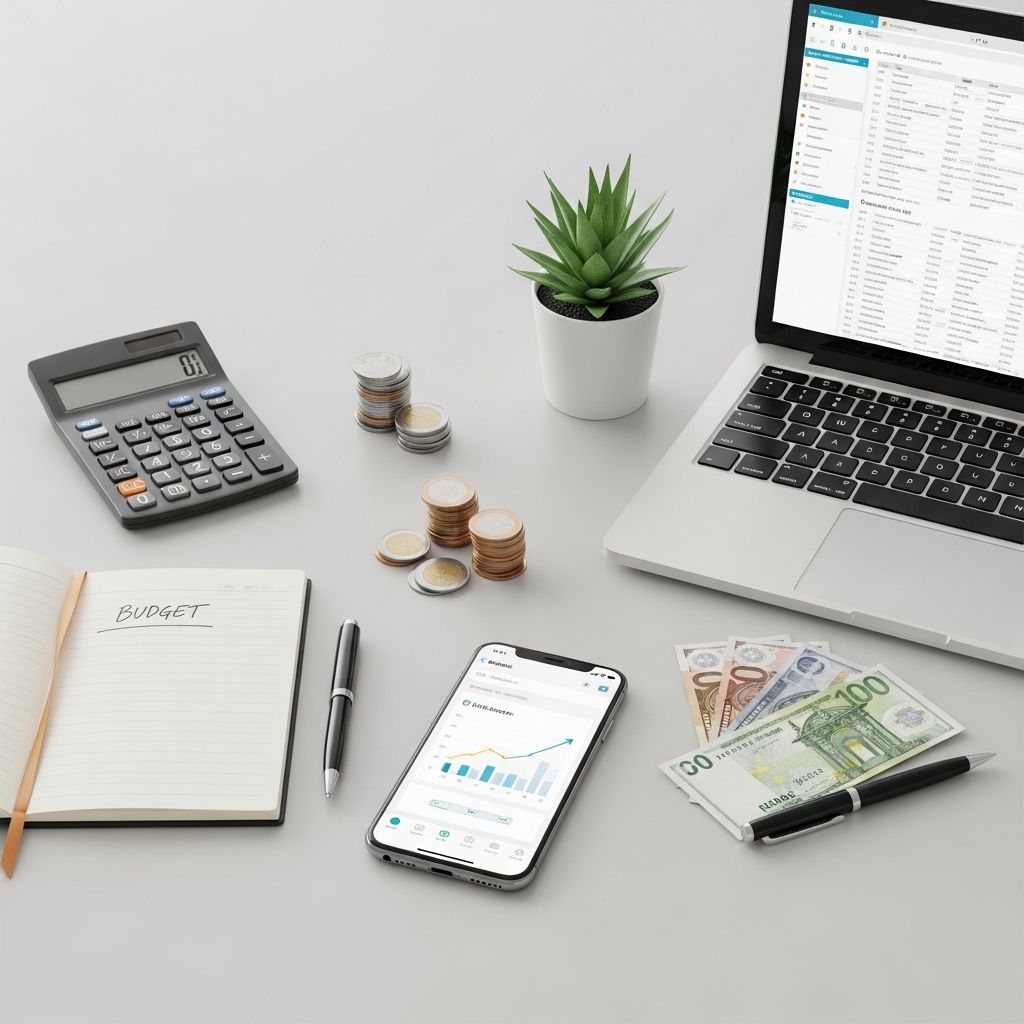
In today’s digital age, countless apps and services promise to revolutionize your finances—for a fee. But many of the most effective personal finance tools are completely free. This article rounds up essential no-cost resources for budgeting, tracking spending, credit monitoring, investing, and more. By leveraging these, you can achieve financial clarity and control without spending a penny. Drawing from trusted sites like government portals, nonprofit educators, and established finance platforms, these tools rival or surpass paid alternatives.
Free Budgeting Apps and Trackers
Budgeting forms the foundation of sound personal finance. Instead of paying for premium apps like YNAB (You Need A Budget), start with these robust free options that sync accounts, categorize expenses, and provide insights.
- Mint.com: From Intuit (makers of TurboTax), Mint automatically tracks spending across linked bank accounts, credit cards, and investments. Set budgets by category, receive bill alerts, and monitor net worth—all free. It flags overspending trends and suggests savings opportunities.
- Personal Capital: Ideal for holistic tracking, this tool offers a free dashboard for net worth, cash flow, and retirement planning. While it has premium advisory services, the core app rivals paid portfolio trackers with investment fee analyzers.
- Goodbudget: Based on the envelope system, this app uses virtual envelopes to allocate funds. The free version supports unlimited envelopes on one device, perfect for families practicing cash-based budgeting.
Pro tip: Review your previous month’s statements to categorize spending manually first—this builds awareness before automating.
Government and Nonprofit Resources
U.S. government sites provide unbiased, authoritative tools backed by federal expertise—no ads or upsells.
- MyMoney.gov: The official U.S. financial education site organizes tools around five principles: Earn, Borrow, Save & Invest, Spend, and Protect. Features interactive calculators for budgets, retirement, and debt payoff, plus worksheets for all life stages.
- Consumer Financial Protection Bureau (CFPB): Free tools for credit building, complaint filing, and financial product comparisons. Their ‘Your Money, Your Goals’ toolkit aids underserved communities.
- 360 Degrees of Financial Literacy (AICPA): From the American Institute of CPAs, this site offers life-stage guides with free calculators for college savings, homebuying, and estate planning.
These resources emphasize long-term planning, like navigating financial decisions through ages via structured modules.
Top Free Websites for Advice and Education
Expert-curated sites deliver comprehensive guides without paywalls.
| Site | Key Free Features | Best For |
|---|---|---|
| NerdWallet | Credit card comparisons, budgeting calculators, retirement planners | Beginners to advanced planning |
| Wise Bread | Frugal tips, life hacks, net worth trackers | Living large on small budgets |
| The Balance | 9,000+ articles on taxes, investing, banking | Daily newsletters and news |
| Investopedia | Finance dictionary, simulators, tutorials | Definitions and investing basics |
| Money Crashers | Credit, careers, economy news | Practical money management |
These platforms aggregate advice and tools, like Doughroller’s lender reviews or Kiplinger’s tax guides, saving hours of research.
Old-School Manual Tools That Work
Digital fatigue? Low-tech methods build discipline without batteries.
- Receipt Spindle and Accordion File: Impale receipts for easy review, then file by category. Takes 20 minutes monthly to reconcile with statements—crucial for taxes.
- Spending Book (e.g., Moleskine): Log every expense like a ‘diet journal for your bank account.’ Reveals ‘death by a thousand cuts’ impulse buys, like coffee or bottled water.
- Envelope System: Allocate cash into envelopes for categories (groceries, entertainment). Studies show cash spending is up to twice less than cards.
- Paper Checks and Ledgers: Visual thinkers prefer check registers over apps for organization. Track triumphs like garage sale earnings.
Combine with RFID blockers for debit cards to curb impulse swipes.
Mastering Core Personal Finance Skills
Tools amplify skills like budgeting, which only one-third practice despite its basics.
- Budgeting: List income/expenses, monitor monthly, adjust for surprises using highlighters on statements.
- Net Worth Calculation: Assets minus liabilities. Track quarterly to gauge progress.
- Credit Management: Review free annual reports (AnnualCreditReport.com), dispute errors, maintain low utilization.
- Investing Basics: Beyond saving, invest freed-up cash—use free simulators on Investopedia.
- Interest Rate Hunting: Track rates for better APYs on savings or balance transfers, saving thousands.
Financial success requires investing, not just cutting costs.
Small Steps for Big Financial Wins
Start simple to build momentum.
- Create a household budget prioritizing essentials, debt, then fun.
- Check credit reports/scores free weekly via NerdWallet.
- Set auto-savings transfers.
- Automate bill pay to avoid fees.
- Review insurance annually for discounts.
Net worth positivity signals progress; negatives improve via debt focus.
Frequently Asked Questions (FAQs)
Q: What’s the best free budgeting app for beginners?
A: Mint.com excels with automatic tracking and alerts, ideal for novices linking accounts effortlessly.
Q: How often should I check my credit report?
A: Free weekly via AnnualCreditReport.com; review annually in detail for errors.
Q: Can manual tools really beat apps?
A: Yes, for visual learners—spending books reveal habits apps might miss, curbing overspending.
Q: Are government sites truly unbiased?
A: Absolutely, MyMoney.gov offers ad-free, expert-backed tools focused on consumer education.
Q: How do I calculate net worth?
A: Sum assets (cash, investments, home equity) minus liabilities (loans, cards)—update quarterly.
Why Free Tools Suffice
Paid services often add bells and whistles unnecessary for most. Free options from credible sources provide 90% of the value: automation, education, and tracking. Commit to consistent use—like monthly reviews—and pair with habits like envelope budgeting for results. Military families can tap specialized free sites like The Military Wallet for benefits integration. Frugal sites like Wise Bread prove ‘living large on a small budget’ with no-cost hacks.
Specialized tools: Cash Course for students, Yahoo Finance for news. Avoid pitfalls like ignoring small expenses—track everything.
Implement one tool today: Download Mint or grab a notebook. Financial fitness awaits without fees.
References
- Top 5 Personal Finance Resources — Tech Elevator. 2023-approx. https://www.techelevator.com/top-5-personal-finance-resources/
- Websites on Personal Finance/Budgeting — California State University East Bay Library. 2023-10-01. https://library.csueastbay.edu/c.php?g=1301770&p=9609327
- 6 Old School Tools to Help You Stay on Budget — Wise Bread. Pre-2026. https://www.wisebread.com/6-old-school-tools-to-help-you-stay-on-budget
- 12 Personal Finance Skills Everyone Should Master — Wise Bread. Pre-2026. https://www.wisebread.com/12-personal-finance-skills-everyone-should-master
- 16 Small Steps You Can Take Now to Improve Your Finances — Wise Bread. Pre-2026. https://www.wisebread.com/16-small-steps-you-can-take-now-to-improve-your-finances
Similar Articles








Read full bio of Sneha Tete