Best Money Tips: Pantry and Freezer Staples You Should Buy in Bulk
Discover essential pantry and freezer staples worth buying in bulk to save money, reduce shopping trips, and always have ingredients ready for meals.
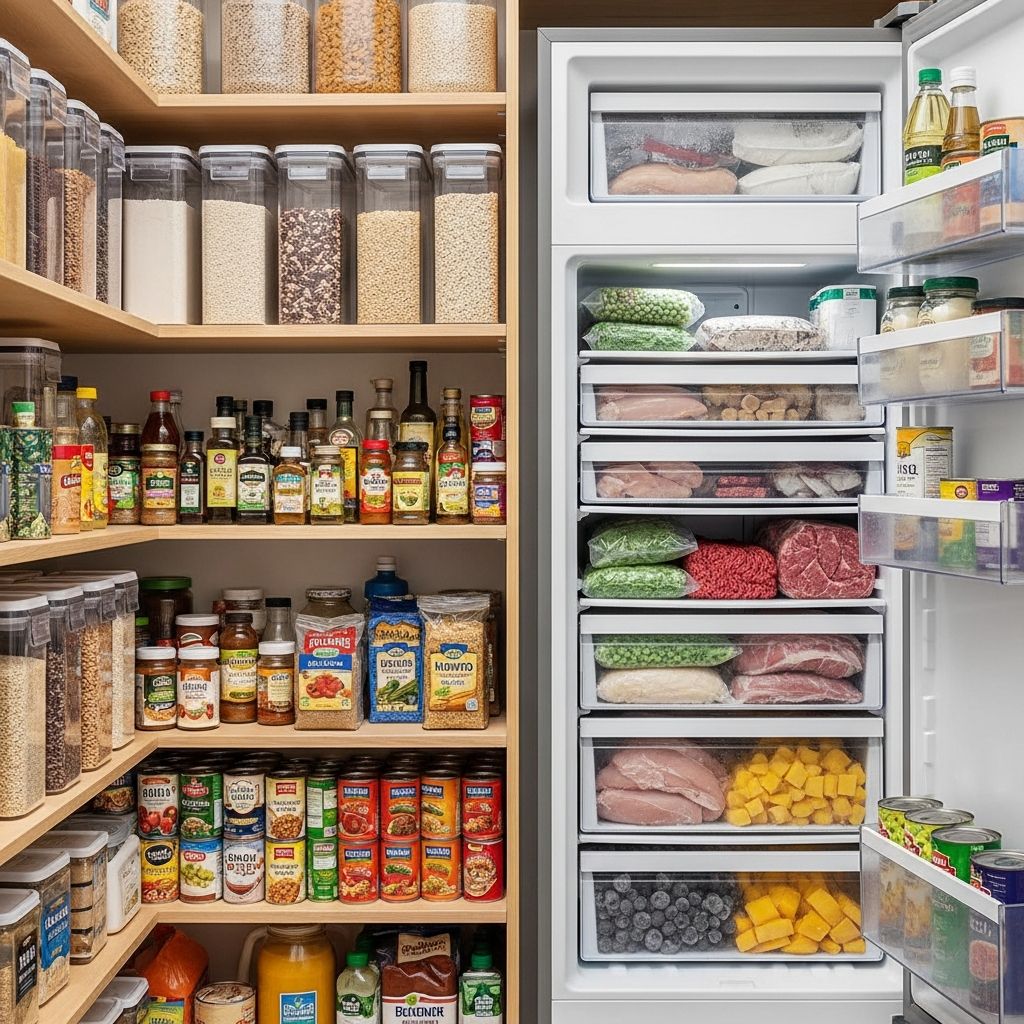
Welcome to this comprehensive guide on smart grocery strategies! Buying certain pantry and freezer staples in bulk is one of the most effective ways to stretch your budget, reduce waste, and ensure you always have ingredients on hand for quick, nutritious meals. These items have long shelf lives, making them ideal for stocking up during sales without the risk of spoilage. In this article, we’ll dive into the top 10 staples recommended by frugal experts, share practical tips for bulk buying, and provide additional strategies drawn from reliable sources to help you optimize your food storage.
Why Buy Pantry and Freezer Staples in Bulk?
Purchasing non-perishables and freezer-friendly items in larger quantities can significantly lower your per-unit cost. According to financial advice from Wise Bread, focusing on staples that ‘won’t go bad before you can use them’ allows you to capitalize on sales and build a resilient pantry. This approach not only saves money but also saves time by cutting down on frequent grocery runs. For families or anyone on a tight budget, a well-stocked pantry means fewer emergency takeout orders and more home-cooked meals.
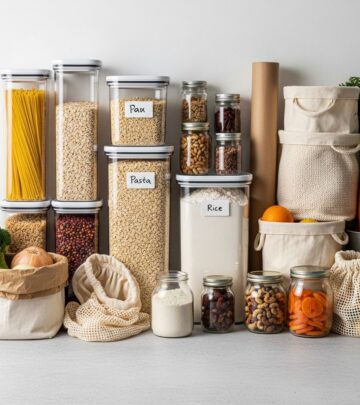
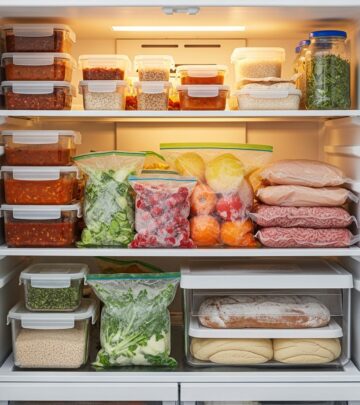
Bulk buying works best when you have adequate storage space. Invest in airtight containers, mylar bags, or buckets with gamma lids for dry goods to extend freshness. Freezer organization with vacuum sealers prevents freezer burn and maximizes space. Studies from the U.S. Department of Agriculture (USDA) emphasize that proper storage can make bulk purchases last months or even years, reducing overall food costs by up to 20-30% for households[USDA FoodKeeper App, 2023].
10 Pantry and Freezer Staples Worth Buying in Bulk
Here are the essential items that experts recommend stocking up on. These selections are based on their longevity, versatility, and frequent sales availability. We’ve expanded each with usage ideas, storage tips, and cost-saving insights from multiple sources.
- Rice
White rice has an indefinite shelf life when stored properly in a cool, dry place. Buy 20-50 lb bags during sales for pennies per serving. Use for stir-fries, casseroles, or as a side. Brown rice lasts 1-2 years; store in the freezer to preserve oils. - Pasta
Dry pasta shelves for 2-3 years. Stock various shapes like spaghetti, penne, and lasagna noodles. Pair with canned sauces or proteins for quick meals. Gluten-free and protein-enriched options are also bulk-friendly. - Dried Beans and Lentils
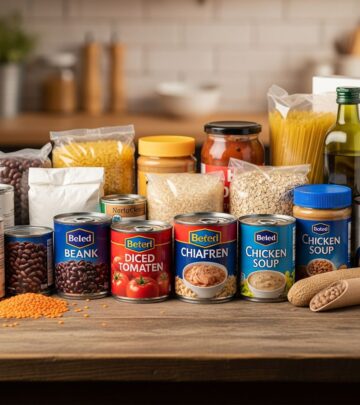
These legumes last 25-30 years in buckets with oxygen absorbers. Soak overnight for soups, chili, or salads. Cheaper than canned and higher in fiber. Varieties like black beans, pinto, and red lentils offer diversity. - Oats
Rolled or steel-cut oats store for years. Ideal for breakfast porridge, baking, or granola. Buy in 25-50 lb bags; portion into jars to avoid moisture. - Flour
All-purpose, whole wheat, and bread flour freeze indefinitely. Use for breads, pancakes, and thickening sauces. Store in the freezer to prevent rancidity. Yeast can be bulk-bought and frozen too. - Sugar and Honey
Granulated sugar lasts forever; honey is antimicrobial. Essential for baking and preserving. Brown sugar stays soft in airtight containers with a terra cotta bear. - Canned Tomatoes and Sauces
These have a 12-18 month shelf life unopened. Stock crushed, diced, and paste for pasta, soups, and stews. Buy cases during sales. - Peanut Butter and Nuts
Natural peanut butter and nuts like almonds store 1-2 years in the pantry or longer frozen. Calorie-dense for snacks or energy bars. Rotate stock to maintain freshness. - Frozen Vegetables
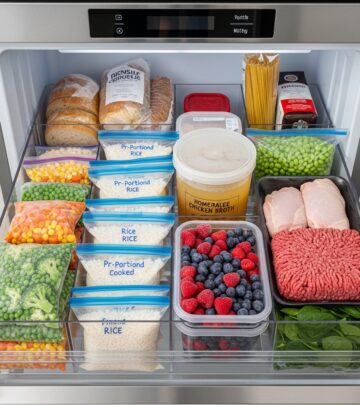
Broccoli, spinach, and mixed veggies last 8-12 months frozen. Nutrient-packed for smoothies, stir-fries, or sides. Buy in bulk bags and vacuum seal portions. - Broths and Evaporated Milk
Canned broths and evaporated milk shelf-stable for years. Use for soups, gravies, and baking substitutes. Refrigerate after opening.
Storage Tips for Bulk Purchases
Proper storage is key to avoiding waste. Use the FIFO (First In, First Out) method: label containers with dates and rotate stock. For pantry items, mylar bags inside 5-gallon buckets with oxygen absorbers can achieve 20+ year shelf lives, as recommended by emergency preparedness guidelines from FEMA. Freezer staples benefit from vacuum sealing; a FoodSaver machine extends usability dramatically.
| Item Type | Best Storage Method | Shelf Life | Tools Needed |
|---|---|---|---|
| Dry Grains/Beans | Mylar bag + Bucket + O2 Absorber | 25-30 years | Gamma Seal Lid |
| Flour/Oats | Freezer in airtight bags | Indefinite frozen | Vacuum Sealer |
| Frozen Veggies | Vacuum-sealed portions | 12-18 months | Freezer Baskets |
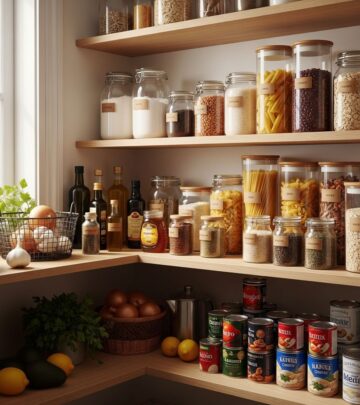
| Canned Goods | Cool, dark pantry | 1-5 years | Can Organizer |
Meal Ideas Using Bulk Staples
- One-Pot Chili: Dried beans, canned tomatoes, rice, spices.
- Peanut Butter Oat Bars: Oats, peanut butter, honey—no baking needed.
- Frozen Veggie Stir-Fry: Pasta, frozen veggies, peanut butter sauce.
- Lentil Soup: Lentils, broth, frozen greens.
- Homemade Bread: Flour, yeast (frozen), oats for texture.
Advanced Strategies: Dehydrating and Freeze-Drying
Take bulk buying further with preservation tools. A food dehydrator turns fruits and veggies into long-term snacks; pair with vacuum sealing. Freeze-dryers preserve entire meals, like scrambled eggs or leftovers, for 25+ years. Though a big upfront cost ($2,000+), they pay off through reduced waste and self-reliance.
Frequently Asked Questions (FAQs)
Q: What are the best containers for bulk pantry staples?
A: 5-gallon buckets with gamma lids, mylar bags, and oxygen absorbers for maximum longevity. Airtight glass jars work for smaller quantities.
Q: How do I avoid freezer burn on bulk meats or veggies?
A: Use a vacuum sealer to remove air. Organize freezer with labeled bins and maintain temperatures at 0°F or below.
Q: Are bulk buys always cheaper?
A: Calculate unit price; sales make them worthwhile. USDA data shows bulk non-perishables save 15-25% vs. small packs[USDA, 2023].
Q: Can I bulk buy oils and spices?
A: Oils have 1-2 year shelf life; buy moderate amounts and store dark/cool. Spices lose potency after 2 years—buy smaller.
Q: How much freezer space do I need?
A: An upright freezer (7-14 cu ft) handles family bulk buys. Chest freezers are more efficient for long-term.
Budget Impact and Long-Term Savings
Implementing these tips can transform your grocery budget. Families report saving $50-100 monthly by reducing impulse buys and waste. Track sales via apps like Flipp, and aim for 3-6 months’ supply of staples. Combine with meal planning for optimal results.
(Word count: 1678)
References
- Best Money Tips: Pantry and Freezer Staples You Should Buy in Bulk — Wise Bread. 2015 (evergreen content). https://www.wisebread.com/best-money-tips-pantry-and-freezer-staples-you-should-buy-in-bulk
- Over 50 Pantry Staples To Stock Up On For Frugal Meals — YouTube (The Wyoming Homestead). 2023-06-19. https://www.youtube.com/watch?v=fjb-Of5_jRs
- How to Feed a Large Family on a Small Budget — Wise Bread. N/A. https://www.wisebread.com/how-to-feed-a-large-family-on-a-small-budget
- Cheap Pantry and Freezer Staples for Quick Meals — YouTube. 2023. https://www.youtube.com/watch?v=72TSJZiTmQk
- Top Pantry Staples For Building Food Storage — YouTube (The Wyoming Homestead). 2023-06-19. https://www.youtube.com/watch?v=Z32C8xwGwfk
- USDA FoodKeeper App — United States Department of Agriculture. Updated 2023. https://www.foodkeeperapp.usda.gov/
Similar Articles








Read full bio of medha deb