Best Money Tips: How to Throw a No-Waste Party
Smart strategies to host an eco-friendly party that minimizes waste, saves money, and delights your guests without excess spending.

Hosting a party doesn’t have to mean generating mountains of trash or breaking the bank. A no-waste party focuses on sustainability, creativity, and smart budgeting to create joyful gatherings that leave a positive impact. By planning ahead with reusable items, local sourcing, and mindful waste management, you can cut costs by up to 50% while reducing environmental footprint. This guide covers every aspect from invitations to cleanup, drawing on proven strategies for birthdays, holidays, or casual get-togethers.
1. Zero-Waste Invitations & Guest Communication
Traditional paper invitations contribute significantly to party waste. Opt for digital invites via email, apps like Evite or WhatsApp groups to eliminate paper use entirely. These tools allow RSVPs, dietary restrictions, and eco-guidelines in one place, saving time and trees.
For those preferring tangible invites, choose recycled paper or innovative seed paper that guests can plant to grow wildflowers. Set expectations early: include notes like “Bring your own reusable cup” or “No plastic gifts, please.” This fosters community buy-in and reduces last-minute confusion.
- Tools: Canva for custom digital designs (free tier available).
- Cost-saving tip: Digital saves $50+ on printing for 50 guests.
- Pro: Track responses instantly for accurate food planning.
2. Sustainable Decorations & Themes
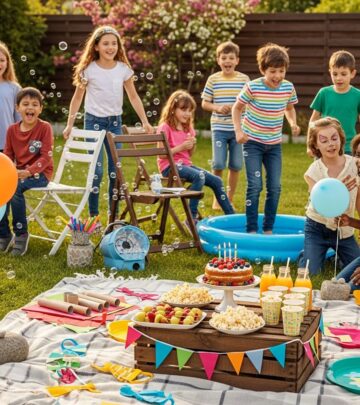
Decor sets the festive mood without landfill contributions. Ditch disposable streamers for reusable fabric bunting, paper lanterns from recycled materials, or natural elements like branches, pinecones, and fresh flowers from your yard or local market.
Choose themes that align with sustainability: garden picnic, forest adventure, or ocean clean-up. These require minimal props—think thrifted jars as candle holders or upcycled pallets as photo booths. Involve kids in crafting decor from household scraps for a personal touch.
| Theme | Key Reusable Items | Cost Estimate (for 20 guests) |
|---|---|---|
| Garden Picnic | Mason jars, cloth napkins, wildflowers | $15-25 |
| Forest Adventure | Branches, burlap, fairy lights (reusable) | $10-20 |
| Ocean Theme | Blue glass bottles, shells, driftwood | $12-22 |
Bonus: Borrow from friends or check library sales for free decor loans.
3. Tableware & Serving Supplies
Single-use plastics are party culprits. Elevate your event with real china, glassware, and metal cutlery from your kitchen or borrowed sets. It adds elegance and zero waste.
For larger crowds, select bamboo plates, cornstarch utensils, and palm leaf serveware—certified compostable options that break down naturally. Set up intuitive stations: labeled bins for compost, recycling, and reusables. Provide hand sanitizer and wipes in bulk dispensers to avoid packaged singles.
- Tip: Rent tableware from party suppliers for $0.50 per item.
- Hygiene hack: Color-code bins (green for compost, blue for recycle).
- Savings: Reusables pay off after 2-3 uses vs. disposables.
4. Local & Plant-Based Food / Waste Reduction
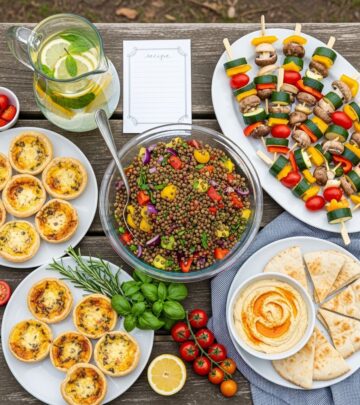
Food waste accounts for 40% of party trash. Counter it with seasonal, local ingredients from farmers’ markets—fresher taste, lower transport emissions, and often cheaper. Prioritize plant-based dishes like veggie skewers, hummus platters, and fruit salads that appeal broadly and store well.
Strategies for zero waste:
- Potluck style: Guests bring dishes, sharing load and variety.
- Precise portions: Calculate 1.5 plates per adult, less for kids.
- Leftovers: Send home in reusable containers (ask guests to BYO).
- Compost scraps: Use a backyard bin or service.
Sample menu for 20:
Apps: Local cheese/veggie board.
Mains: Quinoa salad, grilled corn.
Dessert: Fruit cobbler with seasonal berries.
Total cost: $80-120, vs. $200 catered.
5. Eco-Friendly Gifts & Favors
Gifts and favors often end in drawers or trash. Shift to experiences: class vouchers, park passes, or donations in guest’s name. For items, select plants, seeds, homemade soaps, or reusable bags.
Favors: Seed-embedded tags, herb pots, or cloth-wrapped treats. Wrap with furoshiki (reusable fabric) instead of paper. Politely request no gifts or suggest group buys for meaningful items like a charity contribution.
- Budget: $1-2 per favor vs. $5+ plastic trinkets.
- DIY: Bake cookies in thrifted tins.
- Impact: Edible favors = instant zero waste.
6. Eco Games & Activities
Engage guests with low-waste fun. Nature scavenger hunts, DIY crafts from recyclables, or musical chairs with household chairs. Digital playlists replace CDs; board games from home suffice.
For kids: Sack races with old pillowcases, piñata from cardboard/newspaper (filled with fruit). These build memories without stuff.
7. Waste Management & Clean Up Plan
End strong with organized cleanup. Visible stations with signs: “Compost Here,” “Recycle,” “Reusables.” Appoint “waste captains” to guide.
Post-party: Wash reusables immediately. Compost food; donate extras via apps like Olio. Track waste to improve next time—aim for zero landfill.
- Tools: Free printable labels online.
- Team up: Cleanup playlist keeps it fun.
- Savings: Proper sorting cuts disposal fees.
Bonus: Save Money with No-Waste Hosting
No-waste = no excess spending. Key hacks:
- Use home items: Jars as vases, blankets as picnic spreads.
- Borrow/rent: Tableware, tents via community groups.
- Thrift: Unique decor for pennies.
- Scale smart: Potlucks for 50% food savings.
- Invite participation: BYO cup reduces purchases.
Overall, hosts report 30-60% cost reductions, plus guest appreciation for thoughtful events.
Frequently Asked Questions (FAQs)
Q: How much does a no-waste party save compared to traditional?
A: Typically 30-60%, mainly from reusables, potlucks, and no disposables. Food and decor yield biggest wins.
Q: What if guests forget reusables?
A: Have backups like compostables, but communicate early. Most comply when prompted.
Q: Best for large parties (50+)?
A: Potlucks, rented reusables, and clear stations scale well. Focus on communal dishes.
Q: Kid-friendly zero-waste ideas?
A: Fruit piñatas, nature crafts, edible favors. Keeps excitement high, mess low.
Q: How to handle drinks without plastic?
A: Dispensers with reusable cups; BYOB encouraged. Infused water stations are hits.
Q: Track success?
A: Weigh landfill waste (aim zero), survey guests, note budget vs. past parties.
Embrace no-waste partying for celebrations that are fun, frugal, and future-friendly. Your guests will leave inspired!
References
- EPA: Advancing Sustainable Materials Management — U.S. Environmental Protection Agency. 2023-11-17. https://www.epa.gov/facts-and-figures-about-materials-waste-and-recycling/advancing-sustainable-materials-management-2018-fact-sheet
- USDA Local Food Marketing Practices Survey — U.S. Department of Agriculture. 2024-06-15. https://www.nass.usda.gov/Surveys/Guide_to_NASS_Surveys/Local_Food/
- Zero Waste International Alliance Principles — Zero Waste International Alliance. 2022-04-01. https://zwia.org/zero-waste-international-alliance-principles/
- Composting Basics — U.S. Environmental Protection Agency. 2025-01-10. https://www.epa.gov/recycle/composting-home
- Consumer Expenditure Survey — U.S. Bureau of Labor Statistics. 2024-09-12. https://www.bls.gov/cex/
Similar Articles








Read full bio of medha deb