Best Money Tips: How to Stop Unsolicited Calls and Texts
Discover proven strategies to block robocalls, spam texts, and reclaim your phone from unwanted interruptions effectively.

In today’s digital age, unsolicited calls and texts have become a major nuisance, disrupting daily life and wasting valuable time. These spam communications often come from scammers, telemarketers, or robocall systems that ignore traditional boundaries. While no method can eliminate them entirely, combining official registries, phone features, carrier tools, and third-party apps can drastically reduce their frequency. This guide draws from expert recommendations and official sources to provide actionable steps, helping you protect your peace and productivity.
Understanding the Problem: Why Unsolicited Calls and Texts Persist
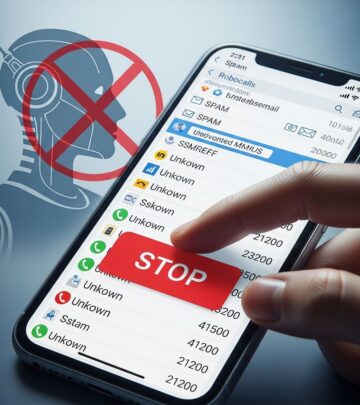
Robocalls and spam texts flood phones because scammers use internet-based calling (VoIP) to spoof numbers from anywhere in the world, bypassing traditional regulations. The National Do Not Call Registry targets legitimate telemarketers but does little against illegal scammers, who make up the majority of unwanted contacts. According to the Federal Trade Commission (FTC), scammers adapt quickly, even using AI to mimic real voices, making calls seem legitimate. Data breaches and shared contact lists exacerbate the issue, turning your number into a target for endless pitches.
Recognizing patterns is key: calls promising deals, threats, or urgent actions are red flags. Texts with suspicious links or demands for replies hook victims into scams like romance fraud or fake job offers. By understanding these tactics, you can respond proactively rather than reactively.
Step 1: Register with the National Do Not Call Registry
The first line of defense is the National Do Not Call Registry at donotcall.gov, managed by the FTC. Adding your number here legally prohibits most sales calls from legitimate companies. Registration takes seconds online or by calling 1-888-382-1222 from the phone you want protected.
- Effectiveness: Reduces legitimate telemarketing by up to 90% within 31 days, though illegal robocalls continue.
- Exceptions: Charities, political calls, and businesses you’ve contacted remain exempt.
- Enforcement: Report violations at the same site; the FTC pursues fines up to $43,792 per illegal call.
Verify your status annually, as numbers can lapse. This free tool is essential but must pair with other methods for full protection.
Step 2: Leverage Your Phone’s Built-in Blocking Features
Modern smartphones offer powerful native tools to silence spam without extra apps. On iPhone, enable ‘Silence Unknown Callers’ in Settings > Phone, sending unrecognized numbers straight to voicemail. For texts, filter messages from unknown senders in Settings > Messages.
Android users can activate similar features via Phone app settings: ‘Block numbers’ for calls and ‘Spam protection’ for texts, powered by Google.
| Device | Call Blocking | Text Blocking |
|---|---|---|
| iPhone (iOS) | Silence Unknown Callers | Filter Unknown Senders |
| Android | Caller ID & Spam | Spam & Blocked Senders |
These features label potential spam, letting you decide without interruption. Regularly review and block repeat offenders manually.
Step 3: Use Carrier-Provided Spam Filters and Apps
Your mobile carrier invests heavily in anti-spam tech. Verizon‘s Call Filter app blocks robocalls and labels spam texts for free (premium upgrades available). T-Mobile‘s Scam Shield auto-blocks suspicious calls and offers free visual voicemail screening. AT&T‘s ActiveArmor provides similar protection across devices.
- Download from your carrier’s app store or enable via account settings.
- Features include real-time blocking, scam alerts, and reporting tools that help carriers track networks.
- Bonus: Many forward spam to databases, improving blocking for everyone.
If switching carriers isn’t feasible, these apps work on Wi-Fi calling too, extending protection to landlines.
Step 4: Deploy Third-Party Call Blocking Tools
For advanced defense, free apps like Nomorobo, RoboKiller, and Hiya use crowdsourced databases to preemptively block millions of known spam numbers. Nomorobo, for instance, answers robocalls with dead air, wasting scammers’ time.
- Nomorobo: Free for landlines, $1.99/month for mobile; FTC-endorsed.
- YouMail: Voicemail service that blocks and taunts callers.
- Mr. Number: Free Android/iOS app with custom block lists.
Landline users can add physical blockers like CPR Call Blocker devices. Test apps with trial periods to find the best fit.
Step 5: Handle Texts Specifically – Report and Block
Spam texts often demand replies, perpetuating the cycle. Never engage; instead:
- Block the sender via phone settings.
- Forward to 7726 (SPAM) to report to your carrier, aiding takedowns.
- Delete without clicking links to avoid malware.
For persistent floods, it signals a data breach – change passwords and monitor accounts. Apple/Google filters block unknown texts automatically.
Additional Habits to Prevent Unsolicited Contacts
Beyond tech, smart behaviors amplify protection:
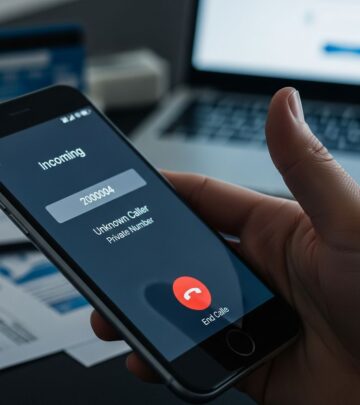
- Screen Calls: Use caller ID; ignore unknown/800 numbers. Let voicemail filter legitimate callers.
- Request Opt-Outs: Politely ask legitimate callers to add you to their do-not-call list (takes up to 30 days).
- Limit Sharing: Avoid giving your number online; use secondary emails for sign-ups.
- Google Unknown Numbers: Quick searches reveal scams before answering.
- Disable Voicemail if Unused: Prevents market research fills.
For businesses or charities, empathy works: ‘Please remove me’ often succeeds over anger.
What If Calls Persist? Advanced Tactics and Reporting
If spam overwhelms, audit data brokers at sites like OptOutPrescreen.com for credit offers. Report to FTC at reportfraud.ftc.gov – collective reports lead to shutdowns. Sue persistent telemarketers under TCPA for up to $1,500 per violation if on DNC.
VoIP landlines? Enable STIR/SHAKEN protocols via providers for verified caller ID.
Frequently Asked Questions (FAQs)
Q: Does the Do Not Call Registry stop all spam calls?
A: No, it targets legitimate sales calls but not scammers, charities, or prior contacts. Pair with blocking tools.
Q: How do I report spam texts?
A: Forward to 7726 (SPAM), block the sender, and report to FTC.
Q: Are carrier apps free?
A: Basic versions are free; premiums offer extras like reverse lookup.
Q: Can I block calls on landlines?
A: Yes, with apps like Nomorobo or devices like CPR Call Blocker.
Q: Why do new numbers keep calling after blocking?
A: Scammers spoof numbers; focus on app/carrier filters that detect patterns.
Conclusion: Reclaim Your Phone Today
Implementing these best money tips – from registry signup to apps and habits – can cut unsolicited calls/texts by over 90%. Start with free steps like DNC and phone settings for immediate relief. Stay vigilant as tech evolves; regular updates keep defenses strong. Enjoy quieter days and more productivity.
References
- Best Money Tips: How to Stop Unsolicited Calls and Texts — Wise Bread. 2018-06-12. https://www.wisebread.com/best-money-tips-how-to-stop-unsolicited-calls-and-texts
- How to Stop Unwanted Calls — Federal Trade Commission (FTC). 2024-10-01. https://consumer.ftc.gov/features/how-stop-unwanted-calls
- Lowering Number of Spam Calls — KPRC 2 (YouTube Transcript). 2023-05-15. https://www.youtube.com/watch?v=emTmbCHfR8A
- Secrets of Telemarketing From an Industry Insider — Wise Bread. 2019-03-20. https://www.wisebread.com/secrets-of-telemarketing-from-an-industry-insider
Similar Articles








Read full bio of medha deb