Best Money Tips: How to Stop Overeating in 3 Easy Steps
Discover three simple, effective steps to curb overeating, save money on groceries, and improve your health and wallet simultaneously.

Overeating doesn’t just impact your waistline—it hits your wallet hard. Excess food consumption leads to higher grocery bills, more dining out, and wasted money on impulse buys. By mastering control over your eating habits, you can save hundreds annually while improving health. This guide outlines
three easy steps
to stop overeating, drawn from proven strategies that align frugal living with mindful nutrition.Why Overeating Costs You Money
Americans spend over $1,000 yearly on snacks and impulse foods alone, much of which stems from overeating triggers like stress or distractions. Reducing portions and mindless munching directly cuts expenses on perishables that spoil uneaten. Studies show distracted eating increases intake by up to 20%, inflating food budgets unnecessarily. Frugal eaters prioritize satiety from nutrient-dense foods, avoiding costly processed items that encourage overconsumption.
Step 1: Eat Mindfully and Eliminate Distractions
The foundation of stopping overeating is
mindful eating
—focusing solely on your meal without screens or stressors. Research confirms that screen use during meals correlates with 25% higher calorie intake, as it disconnects you from fullness signals.- Turn off devices: Eat at a table away from TV, phones, or computers. A Harvard study found attentive eating reduces overall consumption by enhancing satisfaction from smaller portions.
- Look at your food: Pause to appreciate colors, textures, and aromas. This ‘purposeful pause’ prevents autopilot overeating.
- Chew slowly: Take 20-30 chews per bite; it takes 20 minutes for your brain to register fullness.
Financial perk: Mindful eaters waste less food, saving $150-300 yearly on groceries. Pre-portion snacks into small bags to avoid devouring family-sized packs.
Mindful Eating Tips Table
| Habit | Benefit | Money Saver |
|---|---|---|
| No screens | Reduces intake by 20% | Avoids extra snack buys |
| Slow chewing | Boosts fullness signals | Smaller portions needed |
| Plate focus | Enhances enjoyment | Less dining out temptation |
Step 2: Choose High-Volume, Low-Calorie Foods (Volumetrics)
Adopt
volumetrics
, filling half your plate with low-calorie, high-fiber, water-rich foods like vegetables and soups. This method tricks your stomach into feeling full without excess calories or cost. A study showed pre-meal salads reduce subsequent eating by 12%.- Start with soup or salad: Broth-based soups or greens before mains promote satiety. Beans, broccoli, and grapefruit are budget-friendly volumetrics stars.
- Increase fiber: Oats, beans, and veggies keep you satisfied longer; one trial found fiber breakfasts cut lunch intake significantly.
- Out of sight, out of mind: Store trigger foods hidden; keep healthy options front-and-center in fridge.
Frugal angle: Non-starchy veggies cost pennies per serving versus processed snacks. Shop sales for bulk greens, saving 30-50% on produce while curbing overeating. Smaller utensils and pre-portioned meals further control intake.
Volumetrics Food Swaps
| High-Calorie | Volumetrics Swap | Calories Saved | Cost per Serving |
|---|---|---|---|
| Chips (1 oz) | Carrot sticks + hummus | 150 | $0.20 vs $0.80 |
| Soda | Broth soup | 100 | $0.10 vs $0.50 |
| Cookies | Apple + berries | 200 | $0.30 vs $1.00 |
Step 3: Plan Ahead, Track, and Manage Triggers
Proactive planning prevents overeating pitfalls. Keep a
food journal
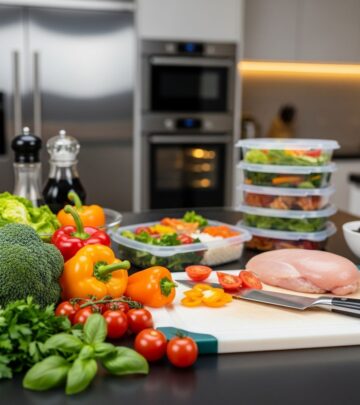
to spot patterns like stress-eating, then strategize alternatives.- Meal prep: Prepare fiber-rich snacks (e.g., 200-calorie veggie packs) to avoid hunger-driven binges.
- Know triggers: Identify emotional cues; pause 10-20 minutes before indulging—walk or stretch instead.
- Regular meals: Avoid skipping to prevent rebound overeating; stable blood sugar curbs cravings.
- Portion control: Use smaller plates and packages; unlimited access leads to 30% more consumption.
Money savings: Planning slashes impulse buys by 25%, per budgeting experts. Shop with lists, buy generics, and freeze extras to extend shelf life.
Additional Frugal Strategies to Reinforce Habits
Beyond the core steps:
- Protein priority: Eggs, beans boost fullness cheaply.
- Hydrate first: Water before meals reduces intake.
- Buddy up: Share goals with like-minded friends for accountability.
Frequently Asked Questions (FAQs)
Q: Can these steps really save money?
A: Yes, by reducing waste and portions, users report 15-25% grocery savings, equating to $200+ yearly.
Q: What if I have trigger foods I love?
A: Don’t ban them—portion into singles and savor slowly to break binge cycles.
Q: How long until I see results?
A: Most notice reduced urges in 1-2 weeks with consistent practice.
Q: Is mindful eating hard at first?
A: Start with one meal daily; it becomes natural, enhancing meal enjoyment.
Q: What about dining out?
A: Order apps first (salads), split entrees, and eat slowly to avoid over-ordering.
Long-Term Benefits: Health and Wealth
Implementing these steps not only stops overeating but fosters sustainable habits. Expect better energy, weight stability, and a leaner budget. Track progress weekly via journal for motivation.
References
- 23 Ways to Stop Overeating — Healthline. 2022. https://www.healthline.com/nutrition/how-to-stop-overeating
- 3 Strategies to Prevent Overeating — Harvard T.H. Chan School of Public Health Nutrition Source. 2015-01-13. https://nutritionsource.hsph.harvard.edu/2015/01/13/3-strategies-to-prevent-overeating/
- Ask an Expert: Eleven Ways to Stop Overeating Using Mindfulness — Utah State University Extension. Accessed 2026. https://extension.usu.edu/news_sections/home_family_and_food/mindful-eating
- How to Stop Overeating: 10 Tips to Avoid Eating Too Much — Houston Methodist. 2022-01. https://www.houstonmethodist.org/blog/articles/2022/jan/how-to-stop-overeating-10-tips-to-avoid-eating-too-much/
- National Eating Disorders Association — NEDA (.org). Accessed 2026. https://www.nationaleatingdisorders.org
Similar Articles








Read full bio of medha deb