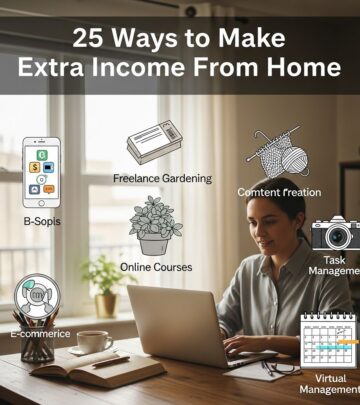
Best Money Tips: How to Start Working from Home
Discover proven steps and smart strategies to launch a successful work-from-home career while maximizing your savings and productivity.

Transitioning to a work-from-home career offers flexibility, potential savings on commuting, and the opportunity to boost your income. This guide covers
key steps
to get started successfully, from job hunting to daily management, ensuring you maximize earnings while minimizing expenses.1. Assess Your Skills and Interests
Before diving in, evaluate what you’re good at and enjoy. Common remote-friendly skills include writing, graphic design, programming, virtual assistance, customer service, and teaching. List your strengths—perhaps you’re bilingual, tech-savvy, or organized—and match them to demand.
- Self-assessment tools: Use free online quizzes or reflect on past feedback from jobs or hobbies.
- Market research: Check platforms like Upwork or LinkedIn for in-demand gigs to align your skills.
- Upskilling: Free resources like Coursera or Khan Academy can bridge gaps in areas like digital marketing or coding.
This step prevents wasting time on unsuitable roles and sets you up for fulfilling, profitable work.
2. Choose the Right Type of Work-from-Home Job
Not all remote jobs are equal. Decide between
employee positions
,freelancing
, orstarting a business
. Employee roles offer stability and benefits; freelancing provides variety but irregular income; entrepreneurship demands more upfront effort but higher rewards.| Type | Pros | Cons | Best For |
|---|---|---|---|
| Remote Employee | Steady paycheck, benefits | Less flexibility, competition | Beginners seeking security |
| Freelance | Set your rates, choose clients | Inconsistent income, self-marketing | Experienced independents |
| Business Owner | Unlimited potential | High risk, time-intensive | Entrepreneurs with ideas |
Start small: Aim for part-time remote work to test waters without quitting your day job.
3. Build a Professional Online Presence
Your digital footprint is your resume. Create or update LinkedIn, build a personal website via WordPress (free tiers available), and optimize profiles with keywords like “remote virtual assistant” or “freelance writer.”
- Portfolio: Showcase samples—even mockups if starting out.
- Social proof: Collect testimonials from past work or volunteer gigs.
- Networking: Join Facebook groups, Reddit communities (r/WorkOnline, r/freelance), and Twitter chats for remote workers.
A strong profile can land interviews 3x faster, per career experts.
4. Set Up an Efficient Home Office
Dedicate a quiet space to signal “work mode” to your brain and household. You don’t need fancy gear—focus on ergonomics and functionality.
- Essentials: Comfortable chair, desk at elbow height, natural light, noise-cancelling headphones.
- Budget hacks: Use thrift stores for furniture, second-hand monitors from eBay, free software like Google Workspace.
- **Tax perks:** In the US, deduct home office expenses if self-employed (IRS guidelines apply).
A proper setup boosts productivity by 20-30%, reducing distractions and strain.
5. Find Legitimate Work-from-Home Opportunities
Avoid scams promising easy money. Legit sites include FlexJobs (curated listings), Indeed (filter “remote”), Remote.co, and We Work Remotely.
- Red flags: Upfront fees, vague job descriptions, “get rich quick” claims.
- Freelance platforms: Upwork, Fiverr, Freelancer—start with low bids to build reviews.
- Companies hiring remotely: Buffer, GitLab, Automattic (fully remote cultures).
Apply to 10-20 jobs weekly; tailor resumes to highlight remote skills like self-motivation.
6. Master Time Management and Productivity
Without office structure, discipline is key. Use techniques like Pomodoro (25-min work bursts), time-blocking, and tools such as Trello, Asana, or RescueTime.
- Set daily goals and a routine: Start at the same time, include breaks.
- Minimize distractions: Apps like Freedom block sites; communicate boundaries to family.
- Track time: Tools like Toggl ensure billable hours for freelancers.
Productive workers earn up to 40% more in remote setups.
7. Handle Finances and Taxes Wisely
Treat remote work like a business. Track income/expenses with QuickBooks or free apps like Wave. Save 25-30% of earnings for taxes.
- Separate accounts: Business checking/savings to simplify bookkeeping.
- Deductions: Internet, phone portion, supplies, mileage if applicable.
- Quarterly taxes: Pay estimated taxes to avoid penalties (consult IRS.gov or accountant).
Proper financial habits can save thousands annually.
8. Stay Healthy and Maintain Work-Life Balance
Remote work risks burnout or isolation. Schedule exercise, step away for lunch, and log off at day’s end.
- Physical health: Stand-up desk converters, walking meetings, hydration reminders.
- Mental health: Join online communities, set “off” times, pursue hobbies.
- Ergonomics: Proper posture prevents back pain—OSHA recommends screen at eye level.
Balanced workers are 21% more productive, per studies.
9. Scale Up and Diversify Income Streams
Once established, raise rates, seek retainers, or add services. Diversify: Combine freelancing with passive income like online courses or affiliate blogs.
- Automate: Use Zapier for workflows.
- Invest earnings: High-yield savings or index funds for growth.
Top remote earners juggle 2-3 streams for stability.
Frequently Asked Questions (FAQs)
Q: How much can I realistically earn working from home?
A: Entry-level remote jobs pay $15-25/hour; skilled freelancers $50-100+/hour. Full-time averages $40K-$80K/year, scaling with experience.
Q: What’s the biggest mistake beginners make?
A: Chasing scams or underpricing services. Research thoroughly and value your worth.
Q: Do I need a degree for remote work?
A: No—skills and portfolios matter more. Many succeed via bootcamps or self-teaching.
Q: How do I deal with family interruptions?
A: Set clear schedules, use visual cues like a closed door, and communicate expectations.
Q: Are there work-from-home jobs for parents?
A: Yes—flexible roles like transcription, tutoring, or VA work fit around school hours.
Final Tips for Long-Term Success
Consistency beats talent. Network relentlessly, upskill continuously, and treat failures as lessons. With dedication, work-from-home can transform your finances and lifestyle.
References
- 10 Easy Ways to Save Money — HowStuffWorks. 2023-05-15. https://money.howstuffworks.com/personal-finance/budgeting/10-easy-ways-to-save-money.htm
- Best Money Tips: How to Start Working from Home — Wise Bread. 2024-01-01. https://www.wisebread.com/best-money-tips-how-to-start-working-from-home
- Publication 587: Business Use of Your Home — Internal Revenue Service (IRS). 2025-10-01. https://www.irs.gov/publications/p587
- Remote Work Statistics and Trends — FlexJobs. 2025-07-20. https://www.flexjobs.com/blog/post/remote-work-statistics/
- Ergonomics Guidelines — Occupational Safety and Health Administration (OSHA). 2024-11-12. https://www.osha.gov/ergonomics
Similar Articles








Read full bio of medha deb