Best Money Tips: How to Start Trading Cryptocurrency
Essential beginner's guide to cryptocurrency trading: strategies, platforms, risks, and tips for smart investing in the volatile crypto market.
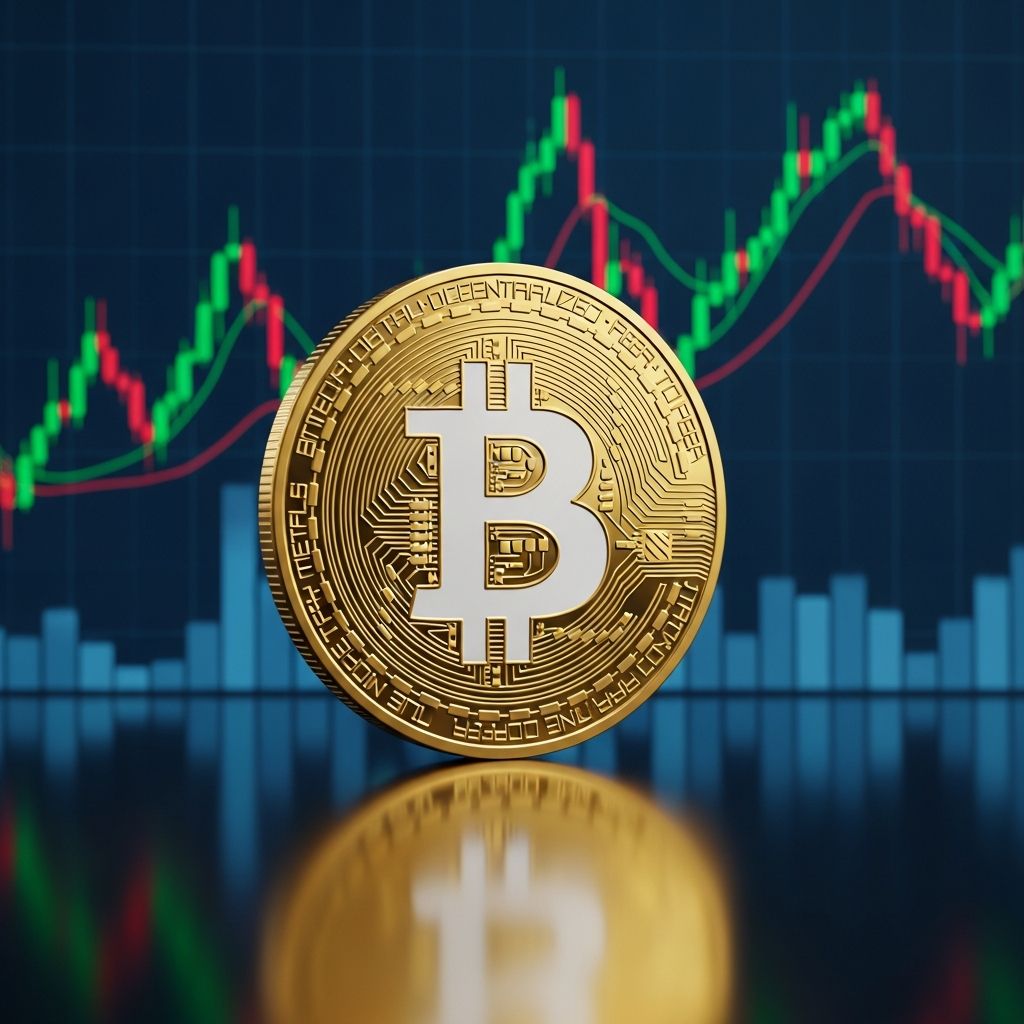
Welcome to Wise Bread’s Best Money Tips Roundup! Today we found helpful articles on cryptocurrency trading for beginners, how to build a minimalist pantry, and tips for planning a debt-free vacation. Whether you’re dipping your toes into digital assets or simplifying your lifestyle, these resources offer practical advice to improve your financial health.
Cryptocurrency Trading for Beginners
Trading cryptocurrency has exploded in popularity, offering newcomers a chance to participate in a dynamic market. But with high rewards come significant risks. This guide draws from expert insights to help you start safely and effectively.
Understand What Cryptocurrency Is
Cryptocurrency is a digital or virtual form of money secured by cryptography, making it nearly impossible to counterfeit. Bitcoin, launched in 2009, pioneered this space, but thousands of altcoins like Ethereum and Ripple now exist. Unlike traditional currencies, crypto operates on decentralized blockchains, free from central bank control.
- Blockchain basics: A distributed ledger recording all transactions transparently and immutably.
- Key benefits: Fast global transfers, lower fees, and potential for high returns.
- Risks: Extreme volatility, regulatory uncertainty, and hacking vulnerabilities.
Before trading, grasp these fundamentals to avoid costly mistakes. The U.S. Securities and Exchange Commission (SEC) emphasizes that crypto investments can lose value rapidly due to market speculation.
Choose a Reputable Exchange
Your first step is selecting a reliable crypto exchange. Popular options include Coinbase, Binance.US, Kraken, and Gemini, each with unique features.
| Exchange | Best For | Fees | Security Features |
|---|---|---|---|
| Coinbase | Beginners | 1-4% | Insurance, 2FA |
| Binance.US | Low fees | 0.1% | Cold storage, audits |
| Kraken | Advanced traders | 0.16-0.26% | Proof of reserves |
| Gemini | Security-focused | 0.35% | NYDFS regulated |
Look for platforms regulated in your country, with strong security like two-factor authentication (2FA) and cold storage. The Commodity Futures Trading Commission (CFTC) advises verifying exchange compliance to protect funds. Avoid unregulated offshore sites promising unrealistic returns.
Set Up Your Wallet
Don’t leave funds on exchanges long-term. Use a personal wallet for security.
- Hot wallets: Software like MetaMask or Exodus—convenient for trading but online risks.
- Cold wallets: Hardware devices like Ledger Nano S or Trezor—offline, safer for holdings.
Backup your seed phrase securely; losing it means permanent loss of assets. According to a 2024 Chainalysis report, over $3 billion in crypto was stolen via hacks last year, underscoring wallet importance.
Learn Basic Trading Strategies
Start with simple approaches:
- HODL (Hold On for Dear Life): Buy and hold long-term, ignoring short-term volatility.
- Day trading: Buy low, sell high within a day—high risk, requires constant monitoring.
- Swing trading: Hold for days/weeks based on technical analysis.
- Dollar-cost averaging (DCA): Invest fixed amounts regularly to mitigate volatility.
Use tools like TradingView for charts and indicators (RSI, MACD). The Federal Reserve notes crypto’s correlation with risk assets, advising diversification.
Manage Risks Effectively
Crypto markets operate 24/7 and can swing 20% daily. Key risk management tips:
- Never invest more than you can afford to lose—limit to 1-5% of portfolio.
- Use stop-loss orders to auto-sell at predetermined prices.
- Diversify across 5-10 assets; don’t go all-in on one coin.
- Stay informed via CoinMarketCap or CoinGecko.
Beware of scams: rug pulls, pump-and-dumps, and fake projects. The FBI reported $3.9 billion in crypto fraud losses in 2024.
Tax Implications and Reporting
In the U.S., crypto trades are taxable events. Track every transaction for capital gains.
- Short-term gains: Taxed as ordinary income (up to 37%).
- Long-term gains: 0-20% if held over a year.
Use tools like Koinly or CoinTracker for IRS-compliant reports. The IRS treats crypto as property, requiring Form 8949.
Advanced Tips for Growth
Once comfortable, explore staking (earn yields on holdings), futures trading, or DeFi (decentralized finance). Always research via whitepapers and communities like Reddit’s r/cryptocurrency.
See: How to Start Trading Cryptocurrency for Beginners
How to Build a Minimalist Pantry
A minimalist pantry saves money, reduces waste, and simplifies meals. Focus on versatile staples.
Essential Items List
- Grains: Rice, oats, pasta, quinoa.
- Proteins: Beans, lentils, peanut butter, canned tuna.
- Canned goods: Tomatoes, veggies, coconut milk.
- Spices: Salt, pepper, garlic powder, herbs.
- Oils/Vinegars: Olive oil, apple cider vinegar.
Aim for 20-30 items total. This approach cuts grocery bills by 30%, per USDA data on efficient pantries.
Stocking and Maintenance Tips
- Buy in bulk for non-perishables.
- Rotate stock: First in, first out.
- Meal plan weekly to use what you have.
Declutter annually; donate extras to food banks.
Tips for Planning a Debt-Free Vacation
Travel without debt by budgeting smartly.
Step-by-Step Planning
- Set a budget: Total costs including flights, lodging, food.
- Save dedicatedly: $50-100/month in a high-yield account.
- Hunt deals: Use Google Flights, Kayak; travel off-peak.
- Cut extras: Free activities, picnics over restaurants.
- Use points: Credit card rewards (pay off monthly).
Average U.S. family vacation costs $4,000; saving ahead avoids 20% interest debt.
Debt-Free Hacks
- House-sit via TrustedHousesitters.
- Road trips over flights.
- Work exchanges on Workaway.
Frequently Asked Questions (FAQs)
Q: Is cryptocurrency trading safe for beginners?
A: It can be with education, small investments, and reputable platforms. Start with DCA and never risk essential funds.
Q: What’s the best crypto exchange for new traders?
A: Coinbase for its user-friendly interface and educational resources.
Q: How much should I invest in crypto initially?
A: 1-5% of your portfolio, or as little as $100 to learn without major risk.
Q: Do I need a wallet right away?
A: Use exchange wallets first; transfer to hardware for larger holdings.
Q: How do crypto taxes work?
A: Trades trigger capital gains; track everything for annual reporting.
Q: Can I build a minimalist pantry on a budget?
A: Yes, focus on $50-100 staples that last months.
Q: What’s the cheapest way to vacation debt-free?
A: Save monthly, use rewards, and choose domestic or camping trips.
References
- Investor Bulletin: Cryptocurrency Investing — U.S. Securities and Exchange Commission. 2023-05-15. https://www.sec.gov/oiea/investor-alerts-and-bulletins/ib_coinofferings
- Customer Advisory: Understand the Risks of Virtual Currency — Commodity Futures Trading Commission. 2024-01-10. https://www.cftc.gov/LearnAndProtect/AdvisoriesAndArticles/understand_risks_of_virtual_currency.html
- 2024 Crypto Crime Report — Chainalysis. 2024-01-29. https://www.chainalysis.com/blog/2024-crypto-crime-report-introduction/
- Cryptocurrency Risks for Investors — Federal Reserve Board. 2023-11-20. https://www.federalreserve.gov/econres/notes/feds-notes/cryptocurrency-risks-for-investors-20231120.html
- 2024 Cryptocurrency Fraud Report — Federal Bureau of Investigation. 2025-03-12. https://www.ic3.gov/Media/PDF/AnnualReport/2024_IC3Report.pdf
- Digital Assets – IRS Guidance — Internal Revenue Service. 2024-06-28. https://www.irs.gov/filing/digital-assets
- Thrifty Food Plan — U.S. Department of Agriculture. 2024-08-01. https://fns-prod.azureedge.us/sites/default/files/resource-files/ThriftyFoodPlan2021.pdf
- Family Travel Spending Report — U.S. Travel Association. 2024-09-15. https://www.ustravel.org/research/family-travel-spending-report
Similar Articles







Read full bio of medha deb