Best Money Tips: How to Shop, Cook and Eat Healthy for One
Smart strategies for singles to shop wisely, cook affordably, and eat nutritious meals without wasting money or food.
Living alone doesn’t mean you have to compromise on health or blow your budget on takeout and pre-packaged meals. Eating healthy as a single person requires smart planning, savvy shopping, and creative cooking to avoid waste and maximize value. This guide covers essential strategies for grocery shopping, meal preparation, and nutritious eating tailored for one, helping you save money while fueling your body right.
Why Eating Healthy for One Matters
Many singles face unique challenges: grocery stores cater to families, recipes serve four or more, and produce spoils quickly for small households. Yet, according to USDA data, a healthy diet can cost as little as $4-5 per day per person when planned well. By focusing on
portion control
,seasonal produce
, andversatile staples
, you can eat nutrient-dense meals affordably. The key is minimizing waste— which affects 30-40% of food in single households—and embracing batch cooking scaled down.1. Smart Grocery Shopping for Singles
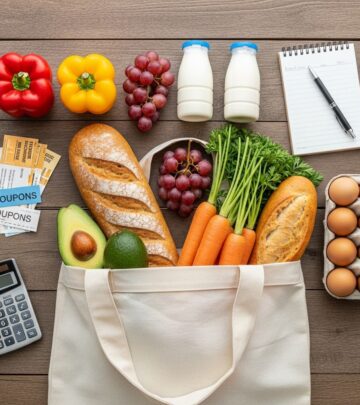
Grocery shopping sets the foundation for healthy, budget-friendly eating. Avoid impulse buys by sticking to a list tailored for one.
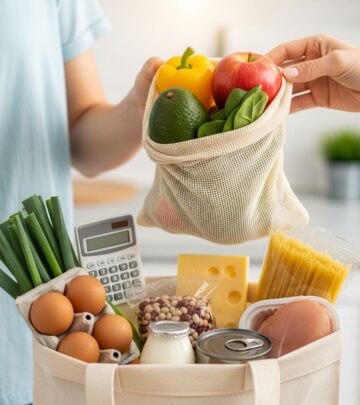
- Shop the perimeter: Fresh produce, dairy, lean proteins, and whole grains line store edges, offering better value than processed center aisles.
- Buy small quantities: Opt for single-serve packs of meat, cheese, or yogurt. Freeze extras immediately to prevent spoilage.
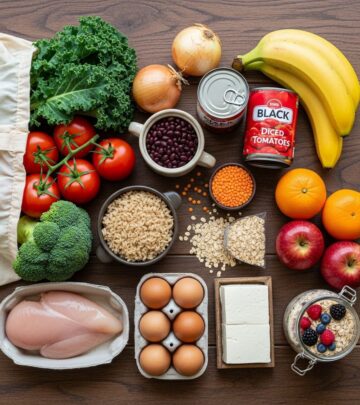
- Embrace frozen and canned goods: Frozen berries, spinach, and fish are as nutritious as fresh and last longer. Low-sodium canned beans and tomatoes save time and money.
- Hit sales and use apps: Tools like Flipp or Ibotta track deals on healthy items. Aim for sales on chicken breasts or oats.
Create a
weekly shopping list
divided by category: proteins (eggs, tofu, nuts), veggies (broccoli, carrots), fruits (apples, bananas), grains (quinoa, brown rice), and dairy. Budget $40-60 weekly for balanced solo meals.| Category | Suggested Items for One | Est. Cost | Tips |
|---|---|---|---|
| Proteins | Chicken breast (1 lb), eggs (dozen), Greek yogurt (32 oz) | $10 | Portion and freeze meat |
| Veggies | Spinach (bag), carrots (lb), bell peppers (2) | $8 | Buy loose to control amount |
| Fruits | Apples (4), bananas (bunch), berries (frozen bag) | $7 | Frozen for smoothies |
| Grains | Oats ( canister), quinoa (small bag) | $6 | Buy bulk dry goods |
| Dairy/Alt | Milk (half-gallon), cheese singles | $5 | Choose low-fat options |
2. Mastering Meal Planning and Prepping
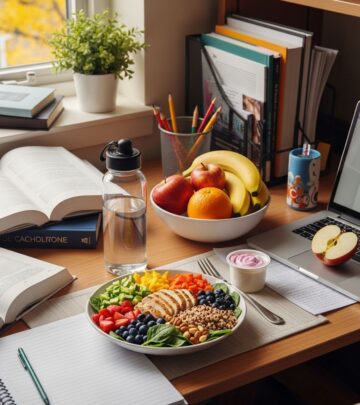
Meal planning prevents waste and decision fatigue. Dedicate Sunday to plotting three meals daily for the week.
- Plan versatile meals: Choose recipes like stir-fries or salads that reuse ingredients across days.
- Batch cook for one: Halve recipes or use slow cookers for single portions. Prep components like chopped veggies or cooked grains.
- Use a matrix: Map breakfasts, lunches, dinners with overlaps, e.g., roast chicken for dinner becomes wraps for lunch.
Example weekly plan:
- Breakfast: Overnight oats with yogurt and fruit (prep 5 jars).
- Lunch: Quinoa salads with veggies and feta.
- Dinner: Grilled fish with steamed greens; chicken stir-fry.
Invest in
glass containers
for fridge life and microwave safety. This cuts cooking time mid-week and ensures variety without excess.3. Budget-Friendly Cooking Techniques
Cooking for one maximizes flavor without fancy tools. Focus on simple methods: sheet pan meals, one-pot wonders, and no-cook assemblies.
- Sheet pan magic: Toss chicken, potatoes, broccoli with oil and herbs—bake at 400°F for 25 minutes. Serves one with leftovers.
- One-pot pasta: Combine pasta, tomatoes, spinach, garlic in one pan; simmer 10 minutes.
- Slow cooker singles: Small models handle 2-4 servings; make chili or curry and freeze halves.
- No-cook wins: Avocado toast, mason jar salads, or smoothies blend nutrition fast.
Season smartly with bulk spices (paprika, cumin) for gourmet taste on a dime. Track staples to reorder before running out.
4. Portion Control and Avoiding Waste
Portion control is crucial for singles—overbuying leads to 25% food waste. Use hand measurements: palm for protein, fist for veggies, cupped hand for carbs.
- Pre-portion everything: Divide nuts into bags, meats into meals upon purchase.
- Repurpose leftovers: Yesterday’s rice becomes fried rice; veggie scraps into stock.
- Freeze wisely: Berries, herbs in ice cubes, bread slices separately.
- Compost or donate: Share extras with neighbors via apps like Olio.
Aim for
zero-waste weeks
: Track what spoils and adjust buys. This saves $100+ yearly.5. Healthy Eating on $5 a Day
Proven feasible: oats breakfast ($0.50), PB banana lunch ($1), veggie stir-fry dinner ($2), snacks ($1). Emphasize beans, eggs, seasonal produce for density.
- Protein hacks: Lentils (16g protein/cup, $0.30), peanut butter.
- Filling fibers: Sweet potatoes, cabbage—cheap and satiating.
6. Nutrition Boosters Without Breaking the Bank
Supplements rarely needed; prioritize whole foods. Add chia seeds for omega-3s, canned sardines for calcium.
- Superfoods on budget: Cabbage, eggs, oats top affordability lists per nutrient.
Frequently Asked Questions (FAQs)
Q: How do I avoid buying too much produce?
A: Buy what fits one produce drawer; choose hardy items like carrots, cabbage over delicate greens. Shop twice weekly if needed.
Q: What’s the cheapest healthy protein?
A: Eggs ($0.20 each, 6g protein), canned tuna, dry beans—versatile and shelf-stable.
Q: Can I eat healthy without cooking daily?
A: Yes, prep overnight oats, salads, and smoothies Sunday for grab-and-go week.
Q: How to make meals exciting for one?
A: Experiment with global spices, vary veggies, and try fusion like Korean bibimbap bowls scaled down.
Q: Is frozen food as healthy?
A: Often more so—nutrients locked in at peak ripeness. USDA confirms equivalence to fresh.
Bonus Tips for Long-Term Success
Track spending with apps like Mint. Join solo cooking communities online for inspiration. Grow herbs on windowsills for fresh flavor free. Review monthly: adjust based on sales, seasons, preferences.
Eating healthy solo saves money (up to $1,000/year vs. eating out) and builds habits for life. Start small, stay consistent.
References
- Thrifty Food Plan, 2021 — USDA Center for Nutrition Policy and Promotion. 2021-08-27. https://fns-prod.azureedge.us/sites/default/files/resource-files/ThriftyFoodPlan2021.pdf
- Save Money and Eat Better With a 7-Step Food Budget — Wise Bread. 2010-12-15. https://www.wisebread.com/save-money-and-eat-better-with-a-7-step-food-budget
- Best Money Tips: Eat Healthy for Under $5 a Day — Wise Bread. 2011-01-10. https://www.wisebread.com/best-money-tips-eat-healthy-for-under-5-a-day
- Food Waste in America — USDA Economic Research Service. 2023-10-01. https://www.ers.usda.gov/amber-waves/2023/october/food-waste-in-america/
- Dietary Guidelines for Americans, 2020-2025 — USDA and HHS. 2020-12-01. https://www.dietaryguidelines.gov/sites/default/files/2020-12/Dietary_Guidelines_for_Americans_2020-2025.pdf
Similar Articles








Read full bio of medha deb