Best Money Tips: How to Save on 5 Overpriced Items
Discover smart strategies to slash costs on everyday overpriced items and boost your savings effortlessly.
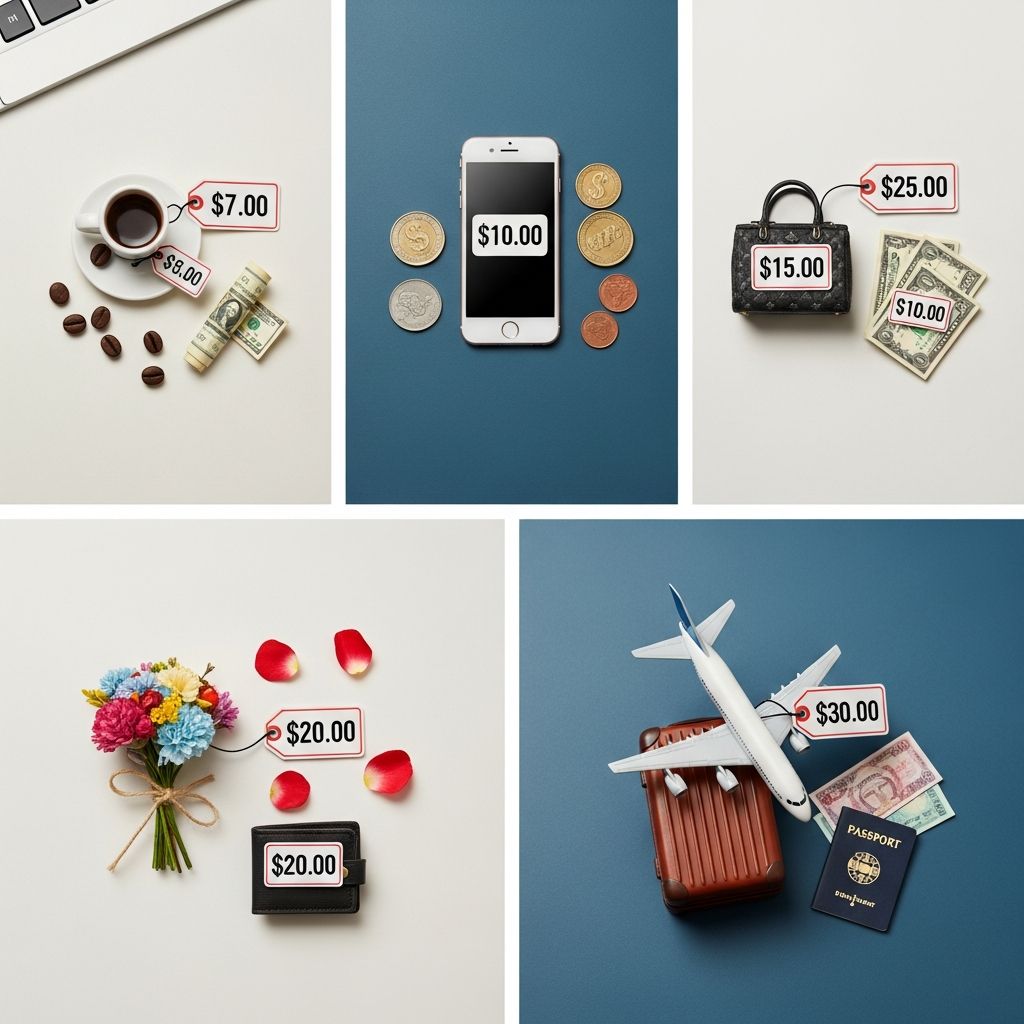
Welcome to this comprehensive guide on mastering frugal living by targeting the most overpriced items in your daily spending. In today’s economy, where every dollar counts, identifying and avoiding markups on common purchases can lead to substantial savings over time. This article dives deep into five key categories of overpriced goods, drawing from expert frugal advice to provide actionable strategies. Whether you’re battling impulse buys or seeking long-term budget improvements, these tips will help you reclaim your finances without sacrificing quality or convenience.
Overpriced items often hide in plain sight—things we buy regularly without questioning the cost. From floral arrangements to morning brews, retailers rely on convenience and emotion to inflate prices. By understanding these traps and applying simple alternatives, you can redirect hundreds of dollars annually into savings, debt reduction, or investments. Let’s explore each category in detail, complete with step-by-step guidance, cost comparisons, and real-world examples.
How to Save on Five of the Most Overpriced Items
The core of frugal success lies in recognizing markup-heavy purchases. Here, we break down five notorious examples, explaining why they’re expensive and how to get the same value for less. These strategies are timeless, backed by consumer behavior insights, and easy to implement immediately.
1. Flowers: Skip Online Delivery Markups
Online flower delivery services like 1-800-Flowers or ProFlowers charge exorbitant fees—often 2-3 times the wholesale cost—for convenience and presentation. A $50 bouquet might cost the retailer just $15-20 at source. The markup covers shipping, vases, and profit margins, but you can bypass this entirely.
Smart Alternative: Head to your local grocery store or supermarket. Chains like Kroger, Safeway, or Trader Joe’s offer fresh, vibrant bouquets for $10-20 that rival premium deliveries. Arrange them yourself in a reused vase, add a personal note, and deliver in person for that heartfelt touch.
- Cost Savings: Save 50-70% per purchase. A $50 delivery becomes $12-15.
- Pro Tip: Shop mid-week (Tuesday-Thursday) when stores restock and prices are lowest. Avoid weekends for fresher selection at better deals.
- Bonus Hack: Buy loose stems from farmers’ markets for under $1 per stem and create custom arrangements.
This approach not only saves money but enhances the personal element, making your gesture more meaningful. Over a year, if you buy flowers monthly, that’s $360+ back in your pocket.
2. Coffee: Brew at Home Like a Pro
That $5-7 daily latte from Starbucks or Dunkin’ adds up to $1,800 yearly for one person. Premium chains mark up beans and milk by 400-500%, profiting on ambiance and habit. Vending machine or corner shop coffee is similarly inflated.
Smart Alternative: Invest in quality home brewing gear—a $20 French press or $30 drip maker lasts years. Buy beans in bulk from warehouse clubs like Costco ($10/lb vs. $20+ retail) and grind fresh. Froth milk with a $15 whisk or handheld frother.
| Item | Shop Price | Home Price | Annual Savings (Daily Buyer) |
|---|---|---|---|
| Latte | $6 | $0.75 | $1,890 |
| Drip Coffee | $3 | $0.25 | $1,020 |
- Customization: Experiment with syrups (homemade vanilla: $0.10/serving) and flavored beans.
- Portable Hack: Use a $10 thermal mug to take your brew to work, skipping office temptations.
- Upgrade Path: For espresso lovers, a $100 Nespresso-compatible machine beats cafe costs long-term.
Track your savings with a simple app to stay motivated. Many former cafe addicts report not missing the overpriced hype after two weeks.
3. Bottled Water: Filter and Refill
Bottled water is a $300+ annual scam for most—tap water in the U.S. meets or exceeds bottle standards per EPA regulations, yet brands like Dasani charge 1,000x production costs. Convenience stores hike single bottles to $2-3.
Smart Alternative: Install a $30 Brita pitcher or under-sink filter. Refill reusable bottles (buy one durable stainless steel for $15). Flavor with free lemon slices or herbs from your kitchen.
- Savings Breakdown: $1.50/bottle x 2/day x 365 = $1,095 saved.
- Environmental Win: Reduces plastic waste by 700+ bottles/year.
- Office Tip: Bring your own to work; many provide filtered dispensers free.
Test your tap via free municipal reports or affordable kits. In most cities, it’s safer and tastier post-filtration than plastic-tainted bottles.
4. Convenience Store Snacks and Drinks
Gas station chips, sodas, and energy drinks carry 200-300% markups—$2 for a candy bar that costs $0.50 wholesale. Impulse buys here drain budgets fast.
Smart Alternative: Pack from home: bulk nuts from Costco ($0.20/serving), homemade trail mix, or fruit. For drinks, pre-make infused water or buy 24-packs at grocery ($0.50/can).
- Weekly Savings: $10-20 by skipping 2-3 stops.
- Meal Prep Hack: Portion snacks Sunday for grab-and-go ease.
- Healthy Swap: Greek yogurt cups ($1 home vs. $3 store).
Keep a cooler in your car for perishables. Habits change when home options match convenience.
5. Smartphone Apps and In-App Purchases
Many pay $5-10/month for apps or games with microtransactions totaling $100s yearly. Free alternatives exist for 90% of needs.
Smart Alternative: Research via app store reviews and sites like AlternativeTo.net. Use free tiers (e.g., Google Docs vs. paid Office). Set budgets via phone controls.
- Examples: Free photo editors beat $5 filters; ad-blockers eliminate upgrade pressure.
- Audit Tip: Review subscriptions monthly—cancel unused.
- Family Hack: Shared family plans halve costs.
Average user wastes $200/year; reclaim it by questioning ‘premium’ value.
Additional Frugal Hacks to Maximize Savings
Beyond the top five, integrate these proven tips for compounded results:
- Calculate
cost per wear
for clothes: Aim under $1 by buying quality classics. - Use the
30-day rule
for non-essentials: Impulse fades, prices drop. - Review credit reports annually (free via AnnualCreditReport.com) to spot errors saving $100s.
- Buy BOGO deals with friends to avoid waste.
Frequently Asked Questions (FAQs)
Q: How much can I really save on flowers by skipping delivery?
A: Up to 70%, turning $50 orders into $10-15 grocery buys with equal quality.
Q: Is home coffee as good as Starbucks?
A: Yes, with fresh beans and practice—most save taste and $1,000+ yearly.
Q: What’s the best filter for tap water?
A: Brita or PUR pitchers for $30; replace cartridges every 2-3 months.
Q: How do I stick to no-convenience store snacks?
A: Prep weekly portions; keep car stocked for seamless swaps.
Q: Are free apps reliable?
A: Often superior—check ratings over 4.5 stars and 1M+ downloads.
Long-Term Budget Impact
Implementing these tips across categories yields $2,000-5,000 annual savings for average households. Track via apps like Mint, adjust habits gradually, and watch debt melt. Frugality isn’t deprivation—it’s empowerment.
References
- Consumer Price Index: Food and Beverages — U.S. Bureau of Labor Statistics. 2025-10-01. https://www.bls.gov/cpi/
- Tap Water Quality Reports — U.S. Environmental Protection Agency. 2025-01-15. https://www.epa.gov/ground-water-and-drinking-water
- Annual Credit Report Request Service — Federal Trade Commission. 2024-12-01. https://www.annualcreditreport.com
- Smartphone App Market Analysis — Pew Research Center. 2025-03-20. https://www.pewresearch.org/internet/
- Frugal Living Consumer Trends — Federal Reserve Board. 2025-07-10. https://www.federalreserve.gov/publications.htm
Similar Articles








Read full bio of medha deb