Best Money Tips: How to Save Money While Traveling Abroad
Discover proven strategies to slash costs on international trips without sacrificing adventure or experiences.
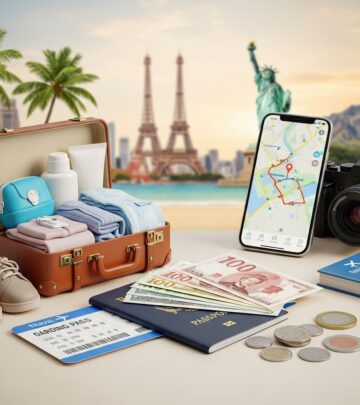
Traveling abroad can be an exhilarating experience, but it often comes with a hefty price tag. Whether you’re exploring ancient ruins in Europe, vibrant markets in Asia, or pristine beaches in Latin America, smart financial strategies can help you stretch your dollars further. This guide compiles the most effective money-saving tips drawn from seasoned travelers and financial experts, ensuring you enjoy your journey without breaking the bank. From meticulous budgeting to savvy negotiation tactics, these proven methods will transform how you travel internationally.
5 Tips for Traveling Abroad That Will Save You Money
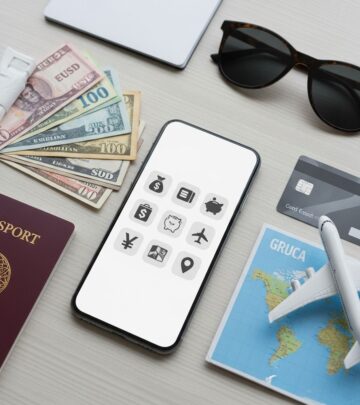
One of the top resources highlights five key strategies to avoid excessive fees and hidden costs before you even leave home. Financial preparation is crucial, as banks and credit card companies often charge steep foreign transaction fees—up to 3% per purchase—which can add hundreds to your bill over a two-week trip.
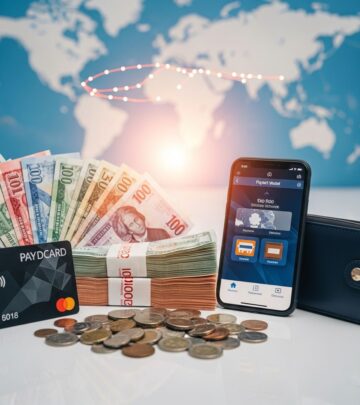
- Choose the Right Credit Cards: Opt for cards with no foreign transaction fees and those offering travel rewards. Cards like the Capital One Venture or Chase Sapphire Preferred reimburse these fees and earn miles for future trips. Always notify your bank of your travel plans to prevent card freezes abroad.
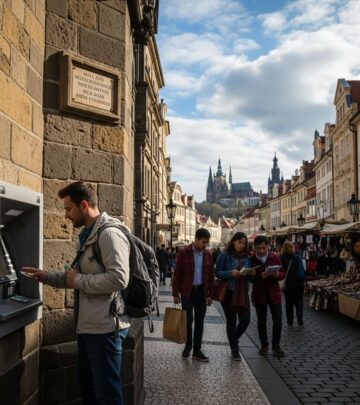
- Research Currency Exchange Rates: Use apps like XE Currency to monitor real-time rates. Avoid airport kiosks, which inflate rates by 10-20%. Instead, withdraw from ATMs affiliated with your bank using a fee-free card.
- Prepay Major Expenses: Book flights, accommodations, and tours months in advance during low seasons. Websites like Kayak or Google Flights can alert you to price drops, potentially saving 30-50% on airfare.
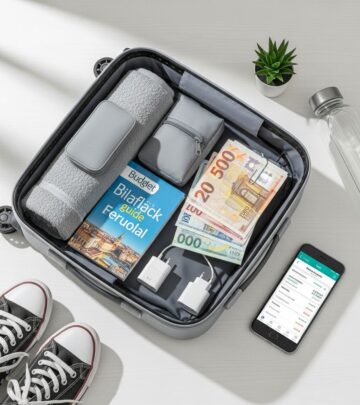
- Pack Light to Avoid Baggage Fees: Airlines charge $50-100 per checked bag internationally. Stick to carry-on only to dodge these costs and the hassle of lost luggage.
- Buy Travel Insurance Wisely: Skip overpriced policies from your airline; compare via sites like Squaremouth for coverage under $100 that includes medical evacuation, which can cost $50,000+ out-of-pocket otherwise.
Implementing these tips upfront can save thousands, allowing more funds for immersive experiences like local festivals or street food tours.
Put Your Daily Budget in Your Wallet
A foolproof method to enforce discipline is allocating cash for each day’s budget. Calculate your total trip budget, divide by days, and withdraw only that amount daily. When it’s gone, spending stops—forcing creative, low-cost activities.
For example, on a $2,000 two-week trip, that’s $142 daily. Place it in an envelope or wallet, separate from cards reserved for emergencies. This tactile approach curbs impulse buys like overpriced souvenirs. Digital alternatives work too: apps like Trail Wallet track expenses in multiple currencies, generate pie charts of spending categories, and alert when nearing limits. No more conversion math headaches.
Keep Track of Everything
Visibility into spending prevents budget overruns. Log every expense immediately—coffee, metro fare, museum entry. Paper notebooks work, but apps excel: Trail Wallet (iOS) or Spent (Android) categorize outflows, forecast remaining funds, and visualize trends. Travelers report cutting spending by 20-30% just by tracking.
| Method | Pros | Cons | Best For |
|---|---|---|---|
| Cash Envelope | Tactile limit, no overspend | Cumbersome abroad | Strict budgets |
| Expense Apps | Multi-currency, charts | Battery drain | Tech-savvy users |
| Credit Card Statements | Rewards, easy review | Delayed visibility | Low-risk trips |
Combine methods: cash for daily spends, cards for big purchases with rewards.
Cook and Drink In
Dining out drains budgets fastest in tourist hubs. A meal in Paris can hit €50 ($55), but grocery shopping yields three meals for €20. Stock Airbnbs with local produce, bread, and cheese for authentic, cheap eats. Limit restaurant visits to one daily, prioritizing street food or markets for flavor without markup.
Pro tip: Buy a local SIM for recipe apps and supermarket locators. In Asia, night markets offer $2 plates rivaling fine dining. Alcohol savings are huge—brew pub pints cost $8+; buy bottles from stores for picnics. Travelers save 40-60% on food this way.
Riding Isn’t Always Cheaper Than Flying
Myth-busting: trains sound romantic but often cost more and take longer. Rome to Paris by train: $136, 11 hours. Ryanair flight: $40, 2 hours. Low-cost carriers like Ryanair, EasyJet, or Wizz Air dominate Europe, undercutting rail. Always compare via Rome2Rio.
- Europe: Flights beat trains for distances over 300 miles.
- Asia: Buses are kings for short hauls; flights for islands.
- Book Direct: Avoid third-party sites for better change policies.
Travel Slower to Cut Costs
Frequent moves inflate transport and setup expenses. Slow travel—lingering 1-2 weeks per spot—unlocks discounts: weekly apartment rentals drop 30%. Learn local eateries, negotiate with regulars. Immersion deepens, relationships form, revealing free events.
Hitchhiking or buses over flights for eco-frugal vibes, though riskier. Full-time travelers live on $1,400/month slow-pacing.
Shop Around and Haggle Everywhere
Never accept first prices. For rentals, tours, taxis—compare 3+ options. In Croatia, one traveler bargained car hire from $25 to $15/day, saving $120. Markets thrive on haggling; start at 50% and meet midway. Apps like HotelTonight for last-minute steals.
Rent a Motorbike Instead of Tours
Organized tours: $40+. Motorbike rental in Asia: $5/day + $5 fuel. Tourist offices provide free maps of highlights. Split costs with companions for safety and savings. Helmet laws vary—check locally. Autonomy beats crowded buses.
Bonus Hacks: Hospitality Exchanges and Flexibility
Free stays via Couchsurfing or Warmshowers.org (cyclists). Build profiles by hosting locally first. Home swaps for longer jaunts. Flexibility snags deals: mid-week flights 25% cheaper. Avoid plans; spontaneity yields bargains.
Frequently Asked Questions (FAQs)
Q: What’s the best app for tracking travel expenses?
A: Trail Wallet for iOS excels with multi-currency support, daily budgets, and pie charts. Android users love Trail Expenses.
Q: How much should I budget daily abroad?
A: $50-100 in Southeast Asia, $100-200 in Europe. Adjust via Numbeo cost-of-living data.
Q: Is it safe to use ATMs abroad?
A: Yes, with fee-free cards from banks like Charles Schwab. Use in well-lit areas; cover PIN.
Q: Should I exchange money before leaving?
A: Minimal; ATMs give better rates. Avoid airports.
Q: How to avoid pickpocket scams?
A: Use money belts, ignore fake cops demanding ID. Stay vigilant in crowds.
Q: Are low-cost flights reliable?
A: Generally yes, but pack light and arrive early for strict baggage rules.
These FAQs address common pitfalls, empowering confident, cheap travel.
References
- 7 Fool-Proof Ways to Stay Within Your Travel Budget — Wise Bread. 2015-approx. https://www.wisebread.com/7-fool-proof-ways-to-stay-within-your-travel-budget
- Best Money Tips: How to Save Money While Traveling Abroad — Wise Bread. 2010-approx. https://www.wisebread.com/best-money-tips-how-to-save-money-while-traveling-abroad
- How to Travel Full-Time for $17,000 a Year (or Less!) — Wise Bread. 2013-approx. https://www.wisebread.com/how-to-travel-full-time-for-17000-a-year-or-less
- Consumer Financial Protection Bureau: Travel Financial Tips — U.S. Government (CFPB.gov). 2024-10-15. https://www.consumerfinance.gov/consumer-tools/travel-tips/
- OECD Tourism Trends and Policies — OECD. 2025-06-01. https://www.oecd.org/en/publications/tourism-trends-and-policies-2025_5b162d00.html
Similar Articles








Read full bio of medha deb