Best Money Tips: How to Save on Your Wedding Ring
Discover proven strategies to find stunning wedding rings without breaking the bank, from smart budgeting to savvy shopping.
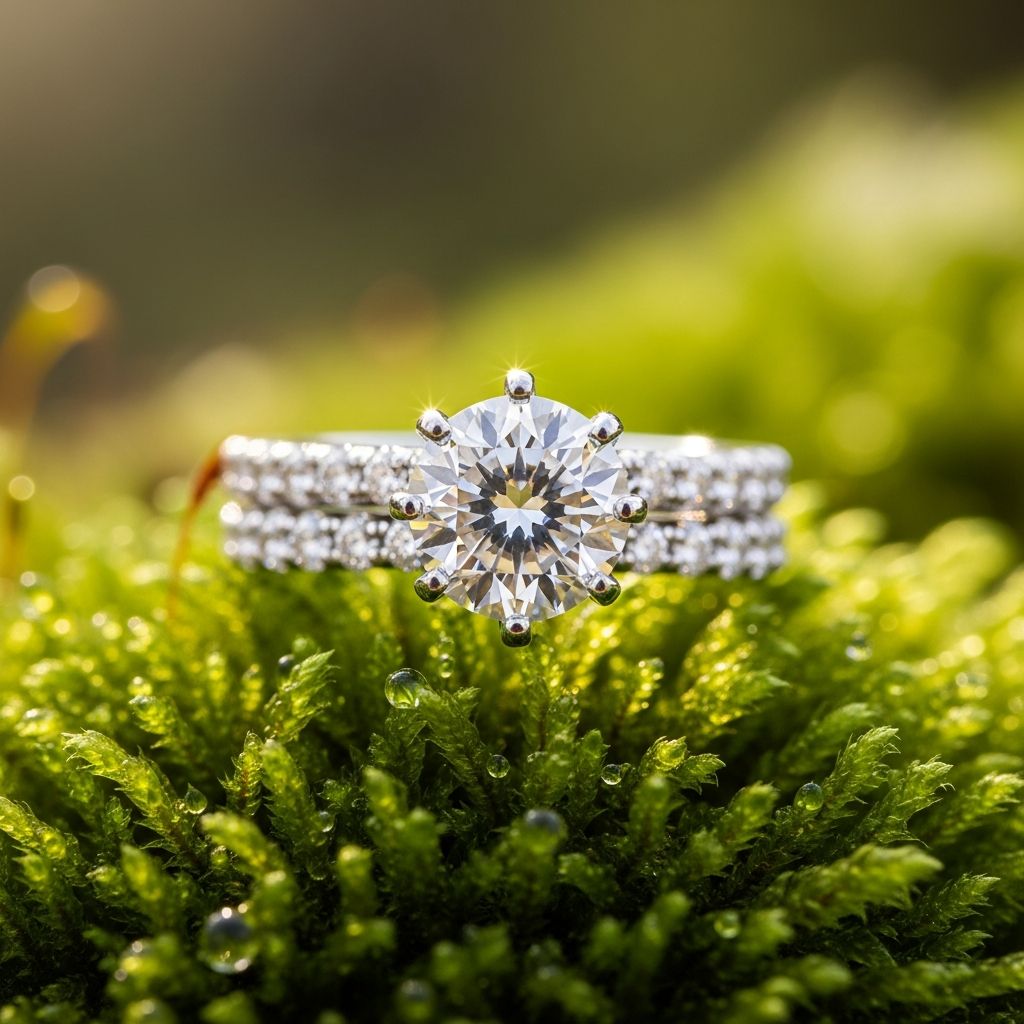
Wedding rings symbolize lifelong commitment, but they don’t have to drain your savings. With average engagement rings costing $5,500 according to recent consumer data, smart strategies can help you secure a beautiful piece for a fraction of the price. This guide covers proven tactics from budgeting basics to alternative materials, ensuring you find quality without compromise.
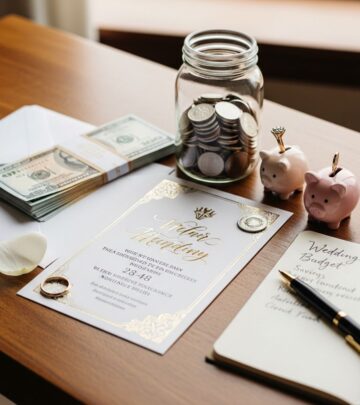
Set a Realistic Budget First
Before browsing jewelers, determine what you can truly afford. Review your income, expenses, and savings goals to avoid debt. Financial experts recommend allocating no more than 4-8% of annual income for rings, debunking the outdated ‘two months’ salary’ myth pushed by marketers. For example, on a $60,000 salary, aim for $2,400-$4,800.
- Assess finances: Use a budget app to track monthly cash flow and identify savings potential.
- Factor in extras: Include taxes, insurance (about 1-2% of value annually), resizing, and engraving.
- Partner input: Discuss priorities—size, sparkle, or simplicity—to align on style and spend.
Setting this foundation prevents impulse buys. One study shows couples who budget early save 30% more on wedding expenses overall.
Shop Online for Massive Discounts
Online retailers offer 30-50% savings over brick-and-mortar stores due to lower overhead. Sites provide GIA-certified diamonds with virtual try-ons and 30-day returns, matching in-store quality.
| Store Type | Avg. Markup | Key Benefits |
|---|---|---|
| Online | 20-40% | Price comparison tools, certifications, free shipping |
| In-Store | 100-200% | Immediate viewing, but higher pressure sales |
Pro tip: Use tools like Google Shopping or Honey for deals. Verify seller ratings on BBB.org and check for AGS or GIA reports.
Master the 4Cs Wisely—Prioritize Cut and Carat
Diamonds are graded on Cut, Color, Clarity, and Carat. Focus on cut (sparkle driver) and carat (size) over perfection. A well-cut 0.9ct outshines a poorly cut 1ct.
- Cut: Excellent or Ideal for maximum fire; avoid ‘Good’ or lower.
- Color: G-H (near colorless) saves 20% vs. D-E.
- Clarity: VS2-SI1 hides flaws to the naked eye, slashing costs 40%.
- Carat: Buy 0.90ct or 0.99ct to stay under ‘1ct’ pricing thresholds.
This approach yields bigger, brighter stones affordably. Ignore resale hype—rings are gifts, not investments.
Opt for Fancy Shapes and Lab-Grown Diamonds
Round brilliant cuts command 30% premiums; choose cushions, ovals, or pears for elegance at lower prices. Lab-grown diamonds, chemically identical to mined ones, cost 70-90% less. The FTC mandates equal labeling, with no quality difference.
Lab vs. Mined Comparison:
| Type | Price (1ct) | Source | Ethics |
|---|---|---|---|
| Lab-Grown | $1,000-$2,000 | Controlled labs | Conflict-free |
| Mined | $5,000-$10,000 | Natural earth | Potential issues |
Brands like Clean Origin specialize in these eco-friendly options.
Explore Stunning Diamond Alternatives
Moissanite rivals diamond brilliance at 10% cost, with superior fire. Sapphires, emeralds, or white topaz offer color and durability.
- Moissanite: 9.25 Mohs hardness; looks identical under normal light.
- Sapphire: Custom colors; royal favorite (e.g., Kate Middleton).
- Gemstone stacks: Mix metals and stones for unique, budget bands.
These choices personalize your ring while saving thousands.
Buy Bands Separately and Vintage
Skip sets; purchase engagement and wedding bands individually for mix-and-match flexibility. Vintage shops or estate sales yield heirloom-quality pieces at 50-70% off retail. Platforms like 1stDibs or eBay authenticate via experts.
Timing matters: Summer sales post-Valentine’s slump offer 20% discounts.
Negotiate Like a Pro and Time Purchases
Jewelers expect haggling—aim for 10-20% off MSRP. Bring competitor quotes and pay cash for leverage. Best times: End of month/quarter or holidays.
- Reveal budget first: “We’re at $3,000 max.”
- Ask for pricing charts; many add 2x markup.
- Bundle services: Free cleaning/inspections sweeten deals.
Start Saving Early with a Plan
Automate transfers to a high-yield savings account (4-5% APY). Save 3+ months ahead triples success odds. Use ‘conscious spending’: 50-60% needs, 10% savings, 30% wants.
For low budgets, consider family heirlooms, pawn shops, or payment plans from reputable lenders.
Insure and Maintain for Longevity
Add riders to homeowners’ policies ($100-200/year). Regular cleanings preserve value. Resale via trusted buyers recoups 20-40%.
Frequently Asked Questions (FAQs)
Q: How much should I spend on a wedding ring?
A: Base it on your finances, not rules—typically 4-8% of annual income for comfort without debt.
Q: Are lab-grown diamonds real?
A: Yes, identical chemically; FTC treats them as diamonds, just more affordable and ethical.
Q: Is moissanite a good diamond alternative?
A: Excellent—brighter sparkle, durable, and costs 90% less.
Q: Can I negotiate ring prices?
A: Absolutely; expect 10-30% off with research and cash payment.
Q: What’s the best time to buy?
A: Summer or end-of-month for sales; avoid holidays.
References
- Budget Wedding Rings: 5 Steps to Save — Hello Noemie. 2024-06-15. https://www.hellonoemie.com/blogs/wearing-noemie/budget-wedding-rings
- How Much Should You REALLY Spend On A Wedding Ring — I Will Teach You To Be Rich. 2023-11-20. https://www.iwillteachyoutoberich.com/how-much-should-a-man-spend-on-an-engagement-ring/
- 12 Money-Saving Tricks to Know Before Buying an Engagement Ring — Wise Bread. 2022-08-10. https://www.wisebread.com/12-money-saving-tricks-to-know-before-buying-an-engagement-ring
- Consumer Expenditure Survey: Jewelry Spending — U.S. Bureau of Labor Statistics (.gov). 2024-09-12. https://www.bls.gov/cex/
- Lab-Grown vs. Natural Diamonds: Policy Guidelines — Federal Trade Commission (.gov). 2023-12-01. https://www.ftc.gov/business-guidance/resources/jewelry-guides
Similar Articles








Read full bio of medha deb