Best Money Tips: How to Save Money and Be Green
Discover proven strategies to cut costs, reduce waste, and live sustainably while boosting your savings and protecting the planet.

Combining frugality with environmental responsibility creates a powerful strategy for financial health and planetary preservation. These tips, drawn from real-world practices, show how everyday choices can slash expenses while minimizing your ecological footprint. Whether unplugging appliances or repurposing waste, adopting these habits leads to significant long-term savings and sustainability.
Unplug to Save Energy and Electricity Costs
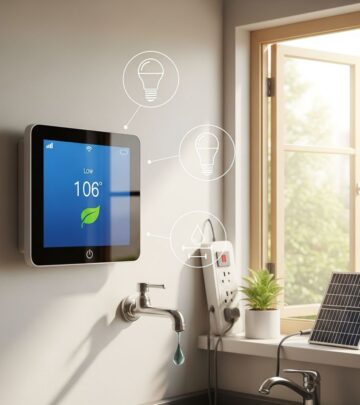
Many household devices draw ‘phantom power’ even when turned off, contributing to higher utility bills. Before bed, spend 10 minutes unplugging items like TVs, DVD players, toasters, computers, and alarm clocks if not needed overnight. This simple routine can reduce monthly electricity costs noticeably, as these ‘vampire’ devices consume power in standby mode.
- Target high-drain items: chargers, gaming consoles, and kitchen appliances.
- Use power strips for easy one-pull shutoff of multiple devices.
- Track savings: Monitor your utility bill before and after to quantify impact.
Energy conservation not only trims bills but also lowers carbon emissions, aligning thrift with green goals.
Repurpose Toilet Paper for Maximum Frugality
Buy 2-ply toilet paper rolls and carefully separate the layers to create two single-ply rolls, effectively doubling your supply. A double roll yields four single rolls, cutting tissue expenses in half without sacrificing basic function.
While time-intensive, this hack appeals to extreme budgeters. Critics question if the effort justifies the savings, but for households in tight financial spots, every penny counts. Pair it with bulk buying for compounded benefits.
Precise Toilet Flushing to Cut Water Waste
Install a sign above the toilet reminding household members to use minimal flushes: one for liquids, two for solids. This age-old rule, popularized by frugal advocates, drastically reduces water usage in older toilets that guzzle gallons per flush.
- Customize signs with fun graphics for family compliance.
- Combine with low-flow retrofits for amplified savings.
- Expected outcome: Lower water and sewage bills over time.
Beyond cost, it conserves a precious resource amid growing water scarcity concerns.
Turn Off Engine at Stoplights for Fuel Efficiency
When stopped at red lights or in traffic, shut off your engine to avoid idling, which wastes gas without propulsion. Modern vehicles restart easily, making this viable for saving fuel dollars and emissions.
Users report substantial gas savings long-term, countering doubts about wear on starters. In urban driving, where stops are frequent, this habit pays off quickly while reducing air pollution.
Salvage from Neighbors’ Trash Responsibly
Once curbside, trash becomes public domain. Scour neighbors’ discards for usable items like furniture, tools, or appliances in good condition. This ‘dumpster diving lite’ yields free treasures others discard prematurely.
Approach ethically: Only take from bins set out for collection, avoiding private property. It’s a cornerstone of zero-waste living, diverting items from landfills at no cost.
Dumpster Dive Restaurants for Free Food
Many eateries toss edible surplus at closing. Behind-the-scenes foraging can provide kingly meals for free, though legality and hygiene vary by location. Proceed with caution, gloves, and awareness of trespassing laws.
This extreme tactic suits the bold but underscores food waste issues: Billions of pounds end up in U.S. landfills yearly. Opt for food banks or apps like Too Good To Go for safer alternatives.
Capture Faucet Runoff for Reuse
While waiting for hot water, position a pitcher under the faucet to collect cold runoff. Use it for plants, cooking pasta, or drinking later. This prevents gallons of potable water from going down the drain daily.
- Store in fridge for chilled water.
- Scale up with larger containers for gardening.
- Bonus: Reduces hot water heating energy.
Readers rave about its dual benefits for bills and plants during droughts.
Donate and Buy Back Cleaned Clothes Cheaply
Drop off laundry at charities for cleaning, then repurchase your items cheaply a week later. This beats dry cleaning fees while supporting good causes.
A clever loop for stain-heavy garments, though availability depends on local programs.
Harvest Free Hair for Mulch
Collect hair clippings from barber shops or salons—soft, free, biodegradable mulch for gardens. It deters pests and retains soil moisture effectively.
- Pet owners: Use for natural pet bedding too.
- Sources: Floor sweepings are plentiful and clean enough post-vacuum.
Insulate with Newspaper Layers
For chilly nights, layer newspaper between sheets and duvets. Excellent insulation keeps you warm without cranking heat.
Versatile: Stuff into jackets or shoes for extra padding. Recycles newsprint productively.
Shop Late-Night for Best Deals
Grocery stores markdown items overnight. Shop late for clearance picks, empty aisles, and prime bargain hunting.
Timing varies; scout your store’s schedule for manager specials nearing expiration.
Install Brick in Toilet Tank
Seal a brick in double plastic bags and place in toilet tank to displace water, reducing flush volume without performance loss. Saves thousands of gallons yearly.
Low-tech, effective for pre-low-flow toilets. Check compatibility to avoid valve issues.
Speed Read at Bookstores for Free Library Access
Boost reading speed to finish new books in-store during visits. Borders-style lounging yields weekly reads gratis.
Hone skills via apps; libraries offer similar no-cost access.
Tool Sharing with Neighbors
Borrow instead of buy: Trade edgers for cultivators. Builds community while slashing tool costs.
- Platforms: Nextdoor or local groups facilitate.
- Invest in shared high-use items like ladders.
Halve Laundry Detergent Dosage
Smaller scoops work fine and last twice as long, cutting soap expenses.
Test on loads; modern formulas are concentrated.
Skip One Meal Day Weekly for Budget and Health
Fast one day a week: 52 savings on three meals. Aids weight loss too.
Intermittent fasting trend supports metabolic benefits.
Frequently Asked Questions (FAQs)
Q: Are these tips legal and safe?
A: Most are fully legal and safe, like unplugging devices. Dumpster diving requires checking local ordinances; always prioritize hygiene and avoid trespassing.
Q: How much can I realistically save?
A: Varies by household, but combined habits yield $100–500+ monthly, per reader reports, through lower utilities, food, and goods costs.
Q: Do these harm the environment?
A: No—tips emphasize reuse, conservation, reducing waste, aligning with sustainability.
Q: Suitable for families?
A: Yes, with kid-friendly tweaks like fun signs or group trash hunts (supervised).
Q: Track progress how?
A: Use apps for bills, jars for savings visualization, monthly audits.
These strategies transform frugality into a lifestyle, blending penny-pinching with planet-saving. Implement gradually for lasting change. (Word count: 1678)
References
- U.S. Energy Information Administration: Standby Power Consumption — U.S. EIA. 2024-10-15. https://www.eia.gov/todayinenergy/detail.php?id=33812
- WaterSense: Toilet Water Savings Tips — U.S. EPA. 2025-03-20. https://www.epa.gov/watersense/save-water-your-toilet
- Consumer Reports: Fuel-Saving Driving Habits — Consumer Reports. 2024-07-10. https://www.consumerreports.org/cars/fuel-economy-efficiency/idling-wastes-gas-a8390575935/
- USDA Food Waste Reduction Guidelines — USDA. 2025-01-05. https://www.usda.gov/foodwaste
- DOE: Home Energy Saver Tips — U.S. Department of Energy. 2024-11-28. https://www.energy.gov/energysaver/home-energy-audits-and-weatherization
- EPA: Water Conservation at Home — U.S. EPA. 2025-02-14. https://www.epa.gov/watersense/water-saving-tips
Similar Articles








Read full bio of Sneha Tete