Best Money Tips: How to Prepare for a Road Trip
Save big on your next road trip with these essential money-saving strategies for planning, packing, driving, and more.
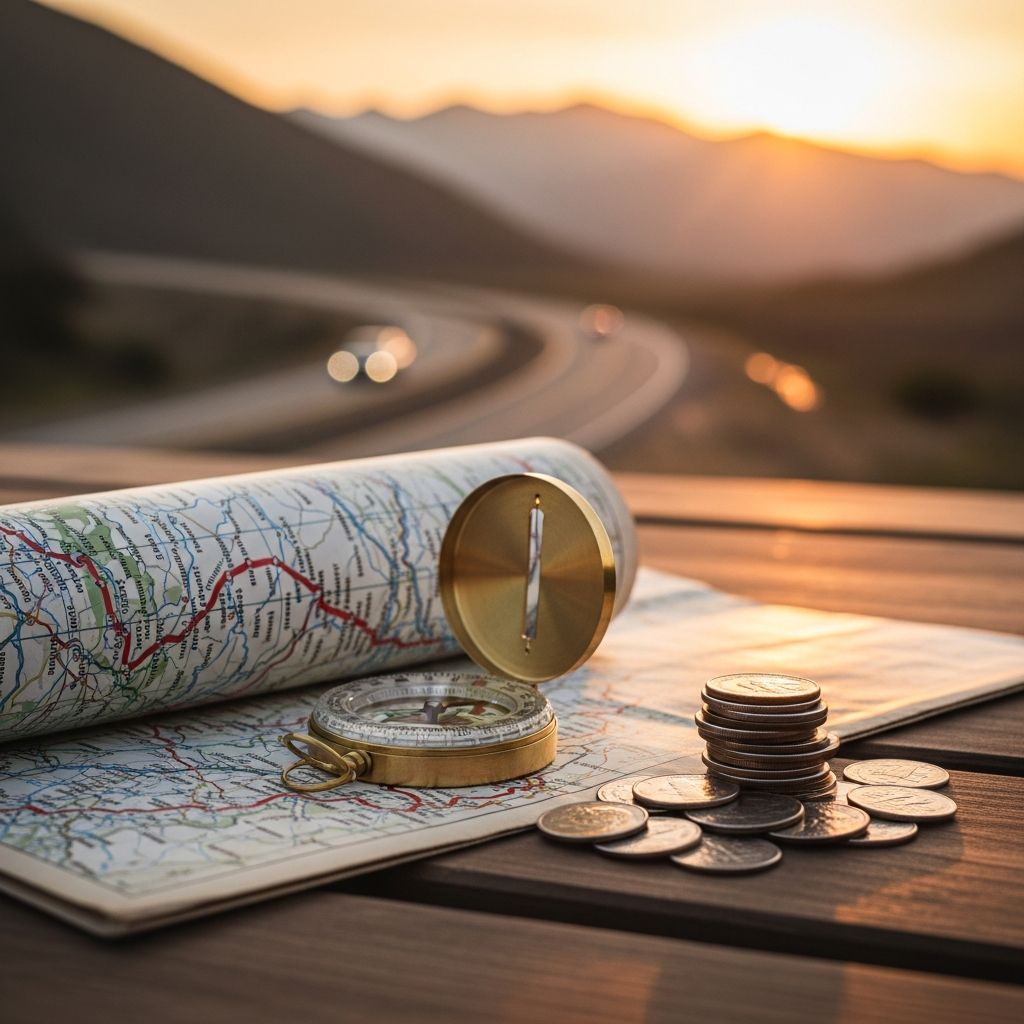
Planning a road trip can be an exhilarating way to explore new destinations without the high costs of flights or trains. However, without proper financial preparation, expenses can quickly spiral out of control—from unexpected repairs to overpriced roadside snacks. This comprehensive guide draws from proven strategies to help you build a rock-solid budget, pack efficiently, drive safely, and enjoy every mile without breaking the bank. Whether you’re embarking on a cross-country adventure or a weekend getaway, these tips ensure your journey is both memorable and affordable.
Build a Solid Travel Budget Before You Go
Start with the foundation of any successful road trip: a detailed budget. Research shows that travelers who plan finances in advance spend up to 25% less overall. Begin by mapping your route using free tools like Google Maps to estimate mileage and fuel costs. Factor in current gas prices, which average around $3.50 per gallon in many U.S. regions as of recent data.
- Calculate fuel expenses: Use an online calculator to input your vehicle’s MPG and total miles. Add a 20% buffer for detours or traffic.
- Account for lodging: Opt for budget motels, campgrounds, or apps like HotelTonight for last-minute deals under $100/night.
- Food budgeting: Allocate $30-50 per person daily by packing a cooler and seeking grocery stores over restaurants.
- Emergency fund: Set aside 10% of your total budget for tires, tows, or medical needs.
Pro tip: Track everything with a free app like TravelSpend to monitor real-time expenditures and adjust on the fly.
Prepare Your Vehicle for Reliability and Savings
A well-maintained car prevents costly breakdowns. According to the AAA, roadside assistance calls cost drivers an average of $150 per incident, not including repairs. Schedule a pre-trip inspection at least two weeks before departure.
| Check Item | Why It Saves Money | DIY Tip |
|---|---|---|
| Tires (tread, pressure) | Prevents flats; improves MPG by 10% | Use penny test: Lincoln’s head should be hidden |
| Oil & fluids | Avoids engine failure ($5,000+ fix) | Check levels weekly; change oil if due |
| Brakes & belts | Safe stopping; no towing fees | Listen for squeals; inspect for cracks |
| Battery & lights | Strand-proof; visible at night | Test voltage; replace bulbs ($10/pack) |
Invest in a basic toolkit ($50) including jumper cables, tire inflator, and fix-a-flat. Join AAA or similar for $60/year coverage, saving hundreds on tows.
Pack Smart to Cut Costs and Hassle
Packing efficiently reduces the need for impulse buys. Overpackers often spend extra on laundry or forgotten items. Aim for a minimalist approach: one bag per person.
- Essentials only: Multi-use clothing (3-5 outfits), versatile shoes, quick-dry towel.
- Food cooler: Stock non-perishables like nuts, jerky, and sandwiches to slash snack stops by 70%.
- Entertainment: Download podcasts, playlists, and games—free vs. $5 gas station WiFi.
- Health kit: Bandages, meds, sanitizer to avoid clinic visits ($150+).
For families, create a ‘road trip kit’ with activity books and tablets pre-loaded with movies, keeping kids happy without pricey distractions.
Plan Your Route for Maximum Value
Route optimization can save hours and dollars. Avoid peak traffic times using Waze or INRIX apps, which predict delays accurately 90% of the time.
- Scenic freebies: National parks with $80 annual pass vs. $35/day fees.
- Cash-back stops: Gas stations with rewards apps like GasBuddy for 20¢/gallon discounts.
- Off-peak travel: Weekday drives cut hotel rates by 30%.
Incorporate ‘hidden gems’ like free roadside attractions (e.g., world’s largest ball of twine) for fun without entry fees.
Master Safe and Fuel-Efficient Driving
Driving habits directly impact your wallet. Aggressive acceleration burns 15% more fuel, per EPA studies. Adopt these habits:
- Maintain 55-65 MPH for optimal MPG.
- Use cruise control on highways.
- Avoid idling; turn off engine for stops over 10 seconds.
- Lighten load: Remove roof racks to gain 5-10% efficiency.
For safety, never text—doubles crash risk. Take 15-minute breaks every 2 hours to combat fatigue, reducing accident odds by 50%.
Handle Roadside Emergencies Without Panic
Emergencies happen; preparation minimizes costs. Carry a charged phone with offline maps and numbers saved.
- Flat tire: Use spare or inflator; mobile services charge $80 vs. $200 tow.
- Dead battery: Jumper cables or apps like Honk for rapid help ($50).
- Overheating: Pull over safely; AAA responds in 30 minutes average.
Pre-download apps like AAA, Urgent.ly for on-demand service at fixed rates.
Budget for Food and Lodging Like a Pro
Food and stays often overrun budgets. Pack a cooler for breakfasts/lunches; limit dinners out to $20/person.
- Picnic spots: Rest areas with tables—free and scenic.
- Lodging hacks: Campgrounds ($20-40/night), Airbnb vs. hotels (save 40%).
Use apps like Ibotta for grocery rebates, turning road trip meals into savings.
Fun Stops That Won’t Drain Your Wallet
Balance adventure with frugality. Seek free festivals, state parks, or hiking trails.
- Check VisitUSA.com for deals.
- Library passes for museum discounts.
- Geocaching: Free treasure hunt worldwide.
Splurge wisely on one highlight, like a local diner pie, to keep spirits high.
Frequently Asked Questions (FAQs)
Q: How much should I budget for a 1,000-mile road trip?
A: Expect $300-500 for gas, $200-400 lodging/food, plus $100 emergencies—total $600-1,000 for two people.
Q: What’s the best way to save on gas?
A: Combine GasBuddy app, steady speeds, and proper tire pressure for 20% savings.
Q: Is roadside assistance worth it?
A: Yes, AAA pays for itself with one tow, covering 100+ million miles annually.
Q: How do I pack for varying weather?
A: Layers and a waterproof jacket; check forecasts 48 hours out.
Q: Can I road trip with pets affordably?
A: Yes, pack food/beds; use pet-friendly apps like BringFido for free stays.
Final Thoughts on Affordable Adventures
With these strategies, your road trip becomes a model of smart spending. Track lessons learned for future trips, turning savings into more adventures. Safe travels!
References
- National Highway Traffic Safety Administration: Roadside Breakdown Statistics — NHTSA (U.S. Government). 2024-06-15. https://www.nhtsa.gov/road-safety/vehicle-safety
- AAA Roadside Assistance Annual Report — AAA Foundation for Traffic Safety. 2025-01-10. https://www.aaafoundation.org/
- Fuel Economy Guide — U.S. Environmental Protection Agency. 2025-03-20. https://www.fueleconomy.gov/
- Consumer Financial Protection Bureau: Travel Budgeting Best Practices — CFPB (U.S. Government). 2024-11-05. https://www.consumerfinance.gov/consumer-tools/travel/
- Federal Highway Administration: Traffic Safety Facts — FHWA (U.S. DOT). 2024-09-12. https://safety.fhwa.dot.gov/
- Reuters: Gas Price Trends and Driving Efficiency — Reuters. 2025-12-28. https://www.reuters.com/business/energy/
Similar Articles







Read full bio of Sneha Tete