Best Money Tips: How to Meal Plan and Save Cash
Master meal planning strategies to slash grocery bills, eliminate takeout, and feed your family affordably without sacrificing nutrition or taste.
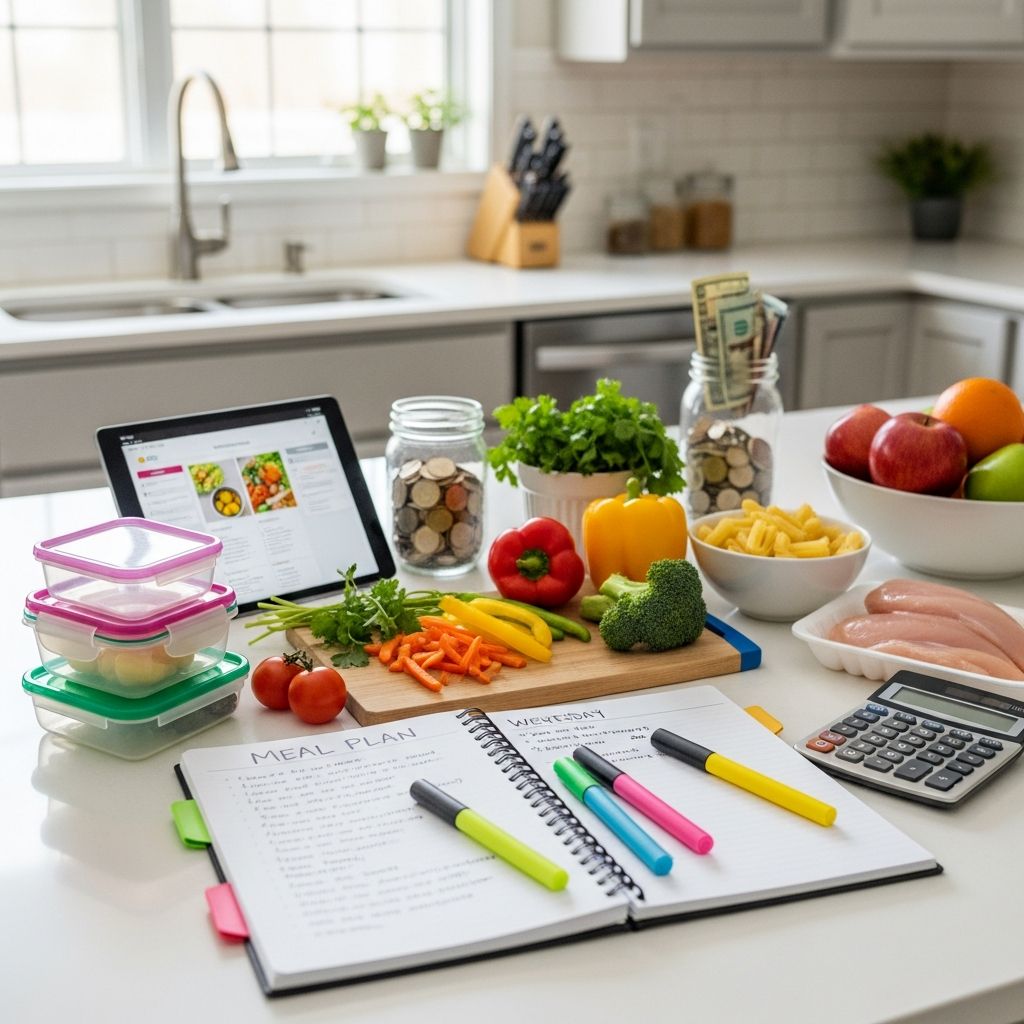
Meal planning is one of the most effective ways to cut grocery costs, minimize food waste, and reclaim control over your budget. By strategically organizing your meals around what you have on hand and affordable staples, families report saving 20-30% on weekly shopping bills while enjoying healthier, home-cooked food. This roundup draws from proven strategies shared across personal finance communities, focusing on practical steps for busy households.
Why Meal Planning Saves Money
Without a plan, grocery trips turn into impulse buys, leading to overspending and spoiled food. Meal planning flips this by prioritizing inventory checks, themed menus, and bulk preparation. One family slashed $75 weekly by ditching takeout and refining their plan, proving small changes yield big savings. Key benefits include reduced waste, fewer restaurant meals, and optimized shopping lists that stick to perimeter groceries—fresh produce, meats, and grains—avoiding pricey processed aisles.
Step 1: Inventory Your Pantry and Fridge First
Before shopping, spend 5-10 minutes assessing what’s already in your kitchen. Check fridge, freezer, and pantry for near-expiry items like produce or dairy. Use these as the foundation for your weekly menu to stretch every dollar. Tools like Supercook can spark recipe ideas from existing ingredients, preventing duplicate purchases.
- Prioritize perishables: Use items close to sell-by dates first, such as softening vegetables or opening dairy.
- Topical planning: Build menus around 4 main dishes, 2 salads, 2-3 sides, and soups that serve 2-3 days each, ideal for end-of-month budgeting.
- Leave flexibility: Designate one ‘clean-out-the-fridge’ night weekly for leftovers, accommodating recipe yields that stretch longer than expected.
Step 2: Shop Smart at Discount Stores Like Aldi
Switching to budget grocers like Aldi can halve costs without quality loss. One shopper fed a family for $65 weekly (~$20/person) using simple staples. Focus on store brands, bulk buys, and perimeter shopping.
| Item | Quantity | Aldi Price |
|---|---|---|
| Milk (gallon) | 4 | $1.89 each |
| Bread (loaf) | 4 | $0.99 each |
| Eggs (dozen) | 4 | $1.55 each |
| Hard Cheese (block) | 2 | $1.99 each |
| Produce (apples, carrots, etc.) | Various | ~$15 total |
| Total for 2 Weeks (1 Person) | $41.91 | |
This list supports versatile meals; freeze half the bread to extend freshness. For families, scale up proportionally while rotating cheap staples like PB&J or sandwiches.
Step 3: Create a Weekly or Monthly Meal Plan
Plan for reality: 5 dinners assuming leftovers or one dine-out, focusing on repeatable ingredients. Stretch proteins across dishes—e.g., chicken in stir-fry, salads, and soups.
- $20/Week Solo Plan: Breakfast: Oatmeal/eggs; Lunch: Sandwiches with cheese/veggies; Dinner: Rotate pasta, rice bowls, veggie stir-fries.
- Family Frugal Month: Theme weeks around affordable proteins like beans, eggs, or ground meat for family-friendly meals everyone enjoys.
- Topical Menus: One protein per week (e.g., chicken) in 4 recipes, plus salads/sides.
Avoid monotony by varying preparations: same carrots in soup, salads, and roasts. This ‘ingredient stretch’ keeps costs low and nutrition high.
Step 4: Embrace Bulk and Assembly Cooking
Batch cook on weekends to cover multiple meals. A monthly assembly session saves time and money—prep freezer veggie burgers, sauces, or chopped veggies for grab-and-go dinners. Post a loose oven schedule on the fridge to overlap cooking efficiently.
- Examples: Double soup recipes for lunches; portion meats before freezing.
- Tools: Slow cookers for hands-off dinners like chilis or stews.
Bulk cooking cuts weekday stress, ensuring home meals over takeout.
Step 5: Ditch Takeout with Easy Swaps
Replace one weekly takeout with packed lunches or bulk-prepped dinners. Families saved $50/week on restaurants alone by planning breakfasts (oatmeal/yogurt), easy lunches (salads/sandwiches), and slow-cooker mains. Track savings to stay motivated—a $75 weekly stack adds up fast.
Advanced Tips for Long-Term Savings
Stock a basic pantry (rice, pasta, spices) once, then shop minimally. Opt for services like The Fresh 20 for pre-made plans: 5 fresh meals/week with shopping lists, saving 20% via targeted buys (gluten-free/vegan options available). For tight budgets, extend to 3-week plans with ‘fill-in-the-gaps’ lists—one key ingredient/week.
- Buy in bulk for non-perishables; freeze extras.
- Mix vegetarian days to lower protein costs.
- Shop biweekly to reduce trips and impulse buys.
Frequently Asked Questions (FAQs)
Q: Can I really feed a family on $20 per person per week?
A: Yes, with discount shopping and stretching ingredients across meals, as shown in Aldi-based plans totaling ~$65 for a family. Adjust for local prices and add greens if needed.
Q: What if I’m short on time for meal prep?
A: Use slow cookers, bulk weekends, and simple assemblies. Plan just 4 mains/week plus leftovers.
Q: How do I avoid food waste?
A: Inventory first, use perishables early, and include a weekly ‘fridge clean-out’ day.
Q: Are these plans healthy?
A: Focus on fresh produce, whole grains, and lean proteins yields balanced nutrition. Users report feeling energized on $20/week plans.
Q: Should I pay for meal plans?
A: Free DIY works, but services like The Fresh 20 provide lists saving 20% via efficiency—no processed foods, just fresh.
Getting Started: Your Action Plan
Week 1: Inventory + $50 shop. Plan 5 dinners, 7 lunches. Track savings. Expand to monthly bulk next. Consistency turns savings into habits—many maintain budgets for years.
These tips, refined from real-world experiments, empower anyone to meal plan like a pro. Start small, save big.
References
- Avoid Dinner Stress: Pay Someone to Plan Your Meals — Wise Bread. Accessed 2026. https://www.wisebread.com/avoid-dinner-stress-pay-someone-to-plan-your-meals
- How to Eat Well on Just $20 a Week (With Meal Plans!) — Wise Bread. Accessed 2026. https://www.wisebread.com/how-to-eat-well-on-just-20-a-week-with-meal-plans
- Meal Planning when You’re Almost Out of Grocery Money — YouTube (Budget Bytes channel implied). Accessed 2026. https://www.youtube.com/watch?v=24ZAgXcC564
- How to Stop the Takeout Meal Cycle and Save — Wise Bread. Accessed 2026. https://www.wisebread.com/how-to-stop-the-takeout-meal-cycle-and-save
- What to Eat Every Day: A Month of Frugal Meals — Wise Bread. Accessed 2026. https://www.wisebread.com/what-to-eat-every-day-a-month-of-frugal-meals
Similar Articles








Read full bio of Sneha Tete