Best Money Tips: How to Make the Most of a Small Garden
Maximize your tiny garden's potential with smart, frugal strategies to grow more food, save cash, and boost your harvest efficiently.
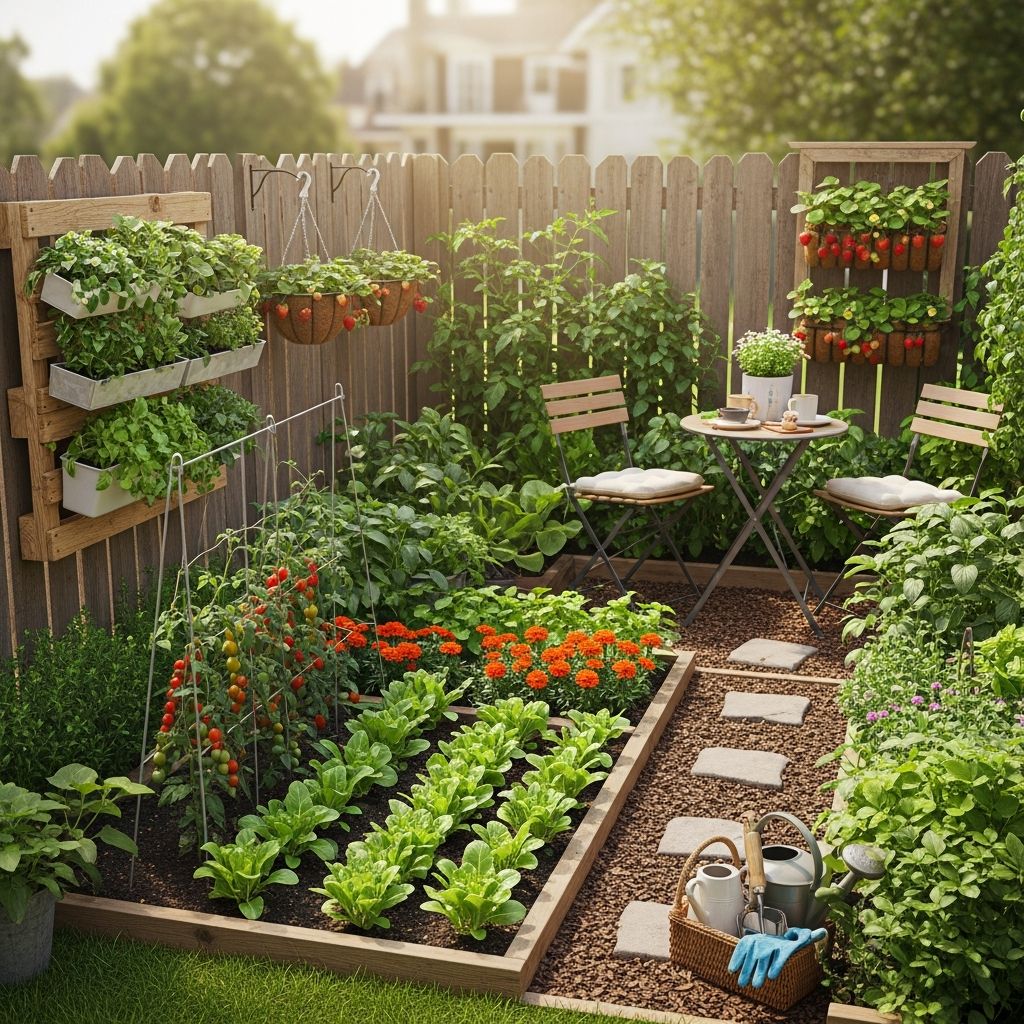
In today’s economy, turning a small patch of earth—or even a balcony or windowsill—into a productive garden can significantly cut grocery bills while providing fresh, homegrown produce. Small gardens offer big rewards when approached with frugality and strategy. Whether you’re dealing with limited space in an urban apartment or a compact backyard, these tips focus on high-yield, low-cost methods to maximize output. By planning ahead, reusing resources, and choosing wisely, you can harvest vegetables, herbs, and fruits worth far more than your investment. This guide covers essential skills like soil assessment, composting, sun mapping, seed propagation, raised beds, pest management, tool maintenance, and pruning, all tailored for budget-conscious gardeners.
Plan Ahead for Success
Planning is the foundation of a cost-effective small garden. Start weeks or months before planting to align with seasons, soil conditions, and sunlight patterns. Advance preparation prevents costly mistakes like buying incompatible plants or wasting seeds on unsuitable spots. Sketch your space, note microclimates, and list high-value crops like lettuce, tomatoes, herbs, and berries that thrive in tight quarters and offer quick returns.
- Assess your zone’s frost dates using free online tools from agricultural extensions.
- Prioritize compact varieties: cherry tomatoes over beefsteak, bush beans over pole types.
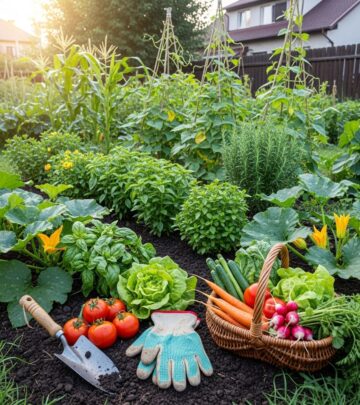
- Calculate space: A 4×4 foot bed can yield $200+ in produce annually with intensive planting.
For small gardens, vertical space is key—use trellises for vining plants to double yields without expanding footprint.
Understand Your Soil Type
Soil is the garden’s engine; mismatched types lead to plant failure and wasted money. There are six main soil types: sandy, silty, clay, loam, peat, and chalk. Test yours with a simple jar method: fill a jar with soil and water, shake, and let settle—layers reveal composition. Sandy soils drain fast but hold few nutrients; clay retains water but compacts easily. Loam, the ideal, balances all.
| Soil Type | Pros | Cons | Amendments for Small Gardens |
|---|---|---|---|
| Sandy | Drains well | Poor nutrient retention | Add compost, mulch |
| Clay | Nutrient-rich | Compacts, slow drain | Add sand, organic matter |
| Loam | Balanced | Ideal, minimal tweaks | Maintain with compost |
Amend small areas affordably: mix in homemade compost to improve structure without buying bagged soil. USDA guidelines recommend annual organic additions for fertility.
Master Composting Basics
Composting transforms kitchen scraps and yard waste into “black gold” for free fertilizer, slashing fertilizer costs by 80-100%. Ideal for small gardens, a compact bin or tumbler fits balconies. Balance “greens” (nitrogen: veggie peels, grass clippings) and “browns” (carbon: leaves, cardboard) at 3:1 ratio. Turn weekly to aerate, keeping it moist like a wrung sponge. Odors? Bury food scraps deep or use bokashi fermentation.
- Start in fall for spring-ready compost.
- Harvest worms for vermicomposting—extra protein boost.
- Yield: One cubic foot bin produces enough for a 10×10 garden yearly.
EPA data shows home composting diverts 300 pounds of waste per household annually, saving landfill fees indirectly.
Map Sun Exposure Accurately
Sunlight dictates plant success; most veggies need 6-8 hours daily. In small spaces, shadows from buildings or fences vary. Track with a free app or $10 meter: log hours per spot over a week. Full sun for tomatoes/peppers; partial shade suits lettuce/spinach.
- Use reflective walls or mirrors to amplify light in shady yards.
- Group plants by needs: sun-lovers south, shade-tolerant north.
- Seasonal shifts: Map solstice positions for year-round planning.
This prevents $50+ losses from leggy, unproductive plants.
Buy and Start Seeds Smartly
Seeds cost pennies per plant versus $5+ seedlings. Hunt end-of-season sales for 90% off heirlooms—open-pollinated varieties reseed true. For small gardens, focus on prolific producers: radishes (30 days), microgreens (10-14 days).
- Direct sow: carrots, beans in ground.
- Indoor starts: tomatoes in egg cartons under lights.
- Save seeds: Let beans/peas dry on plant, store cool/dry.
Seed swaps via community groups cut costs to zero after year one.
Build Raised Beds on a Budget
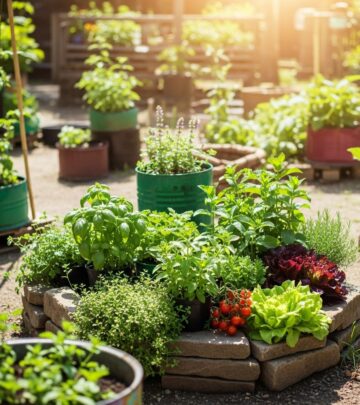
Raised beds warm soil faster, improve drainage, and ease bending—perfect for small plots. DIY with untreated lumber, bricks, or pallets: 4x4x1 foot uses $30 materials, holds 16 square feet intensively. Fill with 1/3 compost, 1/3 topsoil, 1/3 amendments.
- Benefits: Fewer weeds, better pest control.
- Intensive planting: 1 tomato per square foot yields 10-20 lbs.
- Mobile for renters: Pots or fabric beds relocate easily.
Implement Effective Pest Control
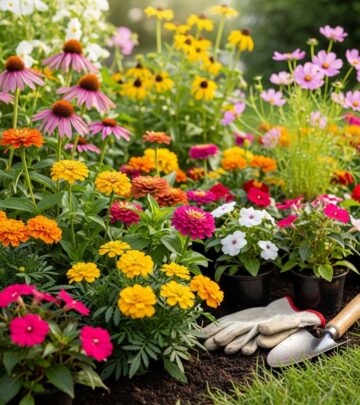
Pests devour 30-40% of crops; prevention saves more than cures. Companion planting—marigolds deter nematodes, nasturtiums trap aphids—is free and organic. For small gardens, hand-pick slugs at dusk, use diatomaceous earth barriers.
| Pest | Frugal Fix | Cost Savings |
|---|---|---|
| Aphids | Soap spray (dish soap + water) | Vs. $15 chemicals |
| Slugs | Beer traps or copper tape | Protects seedlings |
| Caterpillars | BT spray (organic bacteria) | Under $10/season |
Rotate crops yearly to break cycles naturally.
Maintain Tools for Longevity
Quality tools last decades with care; cheap replacements add up. Clean after use: hose off dirt, dry to prevent rust. Sharpen blades yearly, oil wooden handles. Store hung in sheds—$100 kit lasts 20+ years.
- Essentials: Trowel, pruners, hoe (multi-use).
- DIY sharpen: File + whetstone.
- Ergonomic grips from recycled materials.
Prune Perennials Properly
Pruning channels energy to fruits/flowers, boosting yields 20-50%. Learn plant-specific cuts: tomatoes pinch suckers; roses deadhead spent blooms. Timing: Dormant season for shrubs, post-harvest for herbs.
- Tools: Sharp bypass pruners only.
- Rule: Cut above nodes, 45-degree angles.
- Perks: Healthier plants, more produce.
Extend harvests: Succession plant every 2 weeks.
Frequently Asked Questions (FAQs)
What’s the cheapest way to start a small garden?
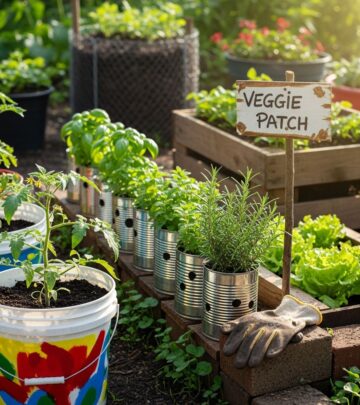
Use recycled containers, saved seeds, and compost—under $20 first year.
Can I garden in pots on a balcony?
Yes, square foot method maximizes pots; self-watering DIY saves time.
How much can I save with a small garden?
$100-500/year on organics, per USDA estimates for intensive plots.
What if pests overwhelm my garden?
Integrated pest management: Prevention first, targeted treatments last.
Best crops for beginners in small spaces?
Lettuce, radishes, herbs, cherry tomatoes—fast, forgiving, high-value.
References
- 9 DIY Landscaping and Gardening Skills That Will Save You Money — Wise Bread. 2010-01-01. https://www.wisebread.com/9-diy-landscaping-and-gardening-skills-that-will-save-you-money
- Individual Home Composting — United States Environmental Protection Agency (EPA). 2024-09-12. https://www.epa.gov/sustainable-management-food/individual-home-composting
- National Gardening Association Knowledge in Soil Report — USDA National Agricultural Statistics Service. 2023-06-15. https://www.nass.usda.gov/Publications/Ag_Statistics/2023/AGST0623.PDF
- Square Foot Gardening — All New Square Foot Gardening Foundation. 2024-03-01. https://www.squarefootgardening.com/
- Home Vegetable Garden Pest Management — University of California Agriculture and Natural Resources (UCANR). 2025-01-10. https://ucanr.edu/sites/gardenweb/Pests/
Similar Articles








Read full bio of medha deb