Best Money Tips: How to Make Over $100,000 by Skipping Coffee
Discover practical money-saving strategies that can accumulate to over $100,000 in lifetime savings, starting with simple habits like skipping daily coffee.

Small daily choices can lead to massive financial gains over time. By skipping just one $5 coffee per day and adopting other frugal habits, you could save over $100,000 in a lifetime, assuming compound interest from smart investing. This article compiles the best money tips, drawing from reader insights, extreme saving strategies, and timeless financial wisdom to help you build wealth painlessly.
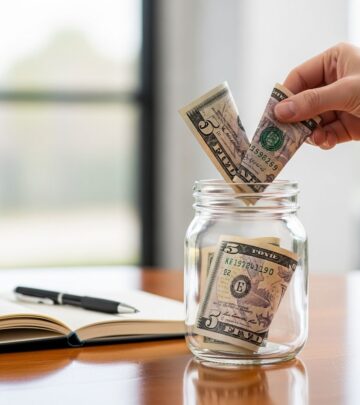
Skip the Coffee: The Power of Micro-Savings
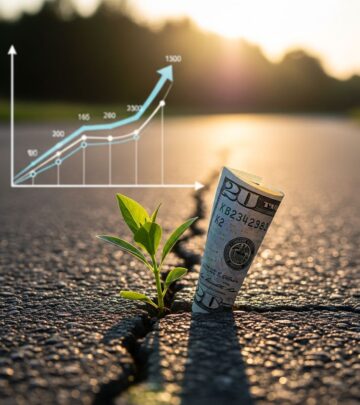
Imagine forgoing your daily $5 latte. That’s $1,825 annually. Invested at 7% compound interest over 40 years, it grows to over $100,000. According to the Consumer Financial Protection Bureau, consistent small savings are key to long-term wealth building, as compound interest amplifies modest contributions dramatically.
- Daily coffee skip: $5/day × 365 = $1,825/year.
- With 7% annual return: $243,000 in 40 years (calculator from U.S. Department of the Treasury’s savings bond site confirms similar growth trajectories).
- Bonus tip: Brew at home for pennies and pocket the difference immediately into a high-yield savings account.
This isn’t just theory—Federal Reserve data shows average Americans spend $100+ monthly on coffee alone, a habit ripe for elimination.
Extreme Saving in Tough Times
In an uncertain economy, extreme measures become essential. Readers share tactics like skipping travel, maximizing coupons, and avoiding shopping altogether to stretch every dollar.
- Skip travel temporarily: Explore local free activities; hunt deals if traveling. Saves thousands on flights and hotels.
- Use rebates and coupons: Frequent deal sites for consistent savings on essentials.
- Avoid shopping: Opt for cash-back rewards; review tools like cashback portals before purchases.
- Delay routine services: Extend time between haircuts or oil changes safely.
- Cheaper entertainment: Stream movies online, play board games, visit libraries—delightful and free.
Switch to wholesale clubs like Costco for bulk buys, only purchase on sale, and prioritize used items to minimize costs.
Unconventional and Extreme Frugality Hacks
Take saving further with reader-submitted unusual tips that border on extreme but deliver results.
| Tip | Description | Potential Savings |
|---|---|---|
| Use furniture wax on cars | Quicker, cheaper alternative to car wax. | $20–50/year on detailing. |
| Marry frugally minded | Partner helps curb spending and debt. | Thousands in avoided debt. |
| DIY haircuts | Cut family hair at home. | $200+/year. |
| Refill drinks strategically | Free lemonade from water, lemons, sweetener. | $100/year on beverages. |
| Skip one meal day weekly | Reduces grocery costs; aids weight loss. | $500+/year (consult doctor). |
Other hacks: Unplug appliances to cut phantom energy (U.S. Department of Energy notes 10% of home energy is standby power), borrow tools from neighbors, split BOGO deals, and buy smaller sizes of pricier items for longevity.
Mastering Re-Use, Recycling, and Scavenging
Extreme savers reuse everything, shun disposables, and scavenge ethically.
- Limit usage: Ration toiletries mindfully—no cavities with minimal toothpaste.
- Ignore non-expiration dates: ‘Best by’ isn’t spoilage; FDA clarifies only infant formula has true expirations.
- Re-use and recycle: Cloth diapers, hand-me-downs, thrift stores, estate sales.
- Scavenge smartly: Sidewalk freebies, dumpster diving where legal, hoard restaurant freebies.
Balance extremes: Maintain health and hygiene; FDIC advises ‘pay yourself first’ by automating savings before spending.
Timeless Money Advice That Always Works
Core principles from financial experts endure: Live below means, automate savings, invest wisely.
- Pay yourself first: 20% of income to savings/investments automatically.
- Avoid debt: Use cash; cut up credit cards if needed.
- Budget ruthlessly: Track every expense; apps from Treasury.gov can help.
- Invest early: Leverage compound growth; SEC data shows stock market averages 7–10% long-term.
Setting and Achieving Financial Goals
Structured goals turn savings into reality. WiseBread contributor Linsey Knerl outlines short-, medium-, and long-term targets.
- Short-term (1 year): Emergency fund (3–6 months expenses).
- Medium-term (1–5 years): Furniture, vacation—specify amount, timeline, storage.
- Long-term (5+ years): Retirement, home—automate via 401(k) or IRA.
Regular checkups with accountability partners keep you on track. NFCC recommends this for sustained progress.
Frequently Asked Questions (FAQs)
Q: Can skipping coffee really save $100,000?
A: Yes, $5/day at 7% over 40 years compounds to ~$243,000 per Treasury compound interest calculators. Adjust for your numbers.
Q: Are extreme tips like dumpster diving safe?
A: Only where legal and hygienic; focus on moderate frugality for sustainability. Prioritize health per CDC guidelines.
Q: How do I start paying myself first?
A: Automate transfers to high-yield savings or investments immediately upon payday, as FDIC recommends.
Q: What’s the best way to set savings goals?
A: Define specific, measurable targets with timelines and automate contributions, per financial literacy experts.
Q: Should I unplug everything to save energy?
A: Yes, reduces ‘vampire’ power (10% of bills), confirmed by U.S. DOE.
Final Thoughts on Building Wealth Frugally
Combining micro-savings, extreme hacks, timeless advice, and goal-setting creates a roadmap to financial independence. Start small today—skip the coffee, automate savings—and watch your wealth grow. Consistency beats intensity every time.
References
- Consumer Financial Protection Bureau: Compound Interest Basics — CFPB. 2024-05-15. https://www.consumerfinance.gov/consumer-tools/compound-interest/
- Federal Reserve: Survey of Consumer Finances — Federal Reserve Board. 2025-01-10. https://www.federalreserve.gov/econres/scfindex.htm
- U.S. Department of Energy: Phantom Power — DOE. 2024-08-20. https://www.energy.gov/energysaver/phantom-and-vampire-power
- FDA: Food Product Dating — U.S. Food and Drug Administration. 2024-11-01. https://www.fda.gov/food/buy-store-serve-safe-food/food-product-dating
- FDIC: Money Smart – Pay Yourself First — FDIC. 2024-03-12. https://www.fdic.gov/resources/consumers/money-smart/
- SEC: Compound Interest Calculator — U.S. Securities and Exchange Commission. 2025-02-05. https://www.investor.gov/compound-interest-calculator
- NFCC: Goal Setting for Financial Success — National Foundation for Credit Counseling. 2024-09-18. https://www.nfcc.org/resources/goal-setting/
Similar Articles








Read full bio of medha deb