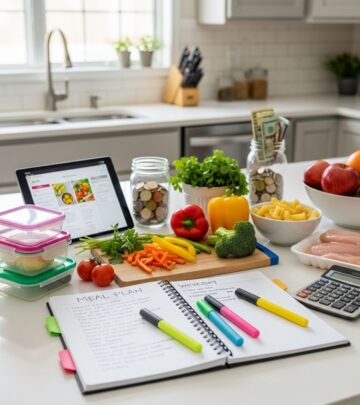
Best Money Tips: How To Love Cooking And A 7-Step Food Budget
Discover practical strategies to save money, simplify meal prep, and enjoy cooking as a budget-friendly hobby that enhances your frugal lifestyle.
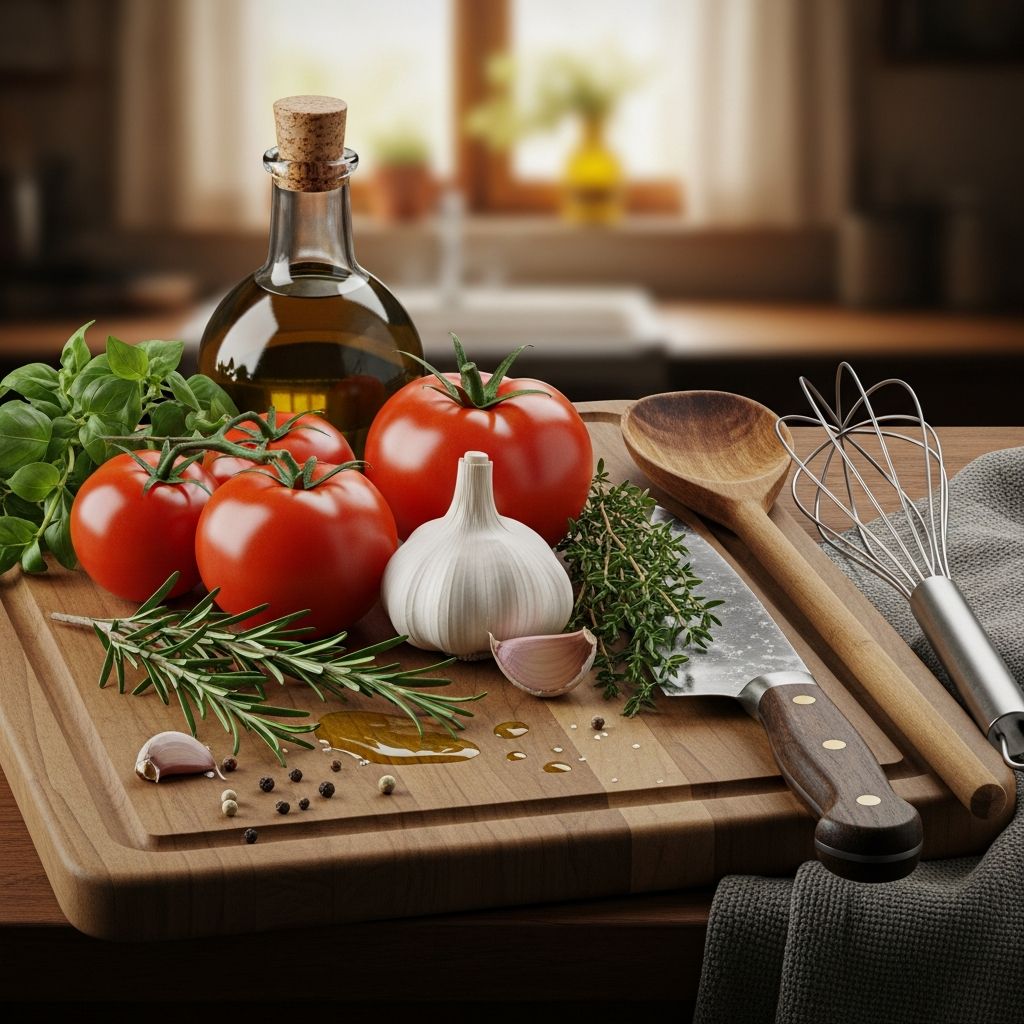
Learning to love cooking isn’t just about creating delicious meals—it’s a powerful way to slash grocery bills, reduce takeout temptations, and take control of your finances. In today’s fast-paced world, where dining out or ordering delivery can drain your wallet, embracing home cooking offers both economic and health benefits. This comprehensive guide draws from proven strategies to organize your kitchen, master food hacks, build cooking skills, and implement a smart food budget. By following these tips, you can transform cooking from a chore into a rewarding, money-saving activity that fits seamlessly into your frugal lifestyle.
Save Time and Money on Food Prep
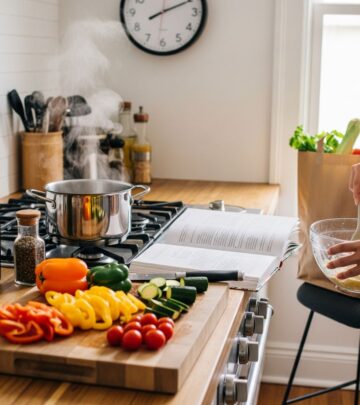
Efficient food preparation is the foundation of loving cooking. A well-organized kitchen minimizes waste, speeds up routines, and keeps costs low. Start by evaluating your cooking space: ensure easy access to appliances, spices, and utensils. Position frequently used items at eye level or within arm’s reach to streamline workflows.
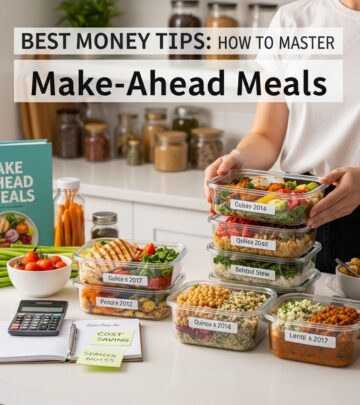
Batch cooking is a game-changer for busy weeks. Dedicate one day to prepping proteins, chopping vegetables, and portioning grains. This not only saves time during the week but also prevents impulse buys at convenience stores. For instance, cook a large pot of rice or grill chicken breasts to use across multiple meals. Frugal cooks swear by this method, reporting up to 50% time savings on daily meal assembly.
- Organize by frequency: Group spices alphabetically or by cuisine type for quick grabs.
- Invest in quality tools: A sharp chef’s knife and durable cutting boards pay off by reducing prep frustration.
- Label everything: Clear pantry labels prevent duplicate purchases and spoilage.
Beyond organization, adopt habits like freezing extras immediately and using reusable storage containers. These steps cut food waste, which averages $1,500 per household annually according to USDA data, turning potential losses into savings.
9 Clever Food Hacks That Save Money
Smart hacks extend ingredient life and maximize value without sacrificing flavor. One standout: store asparagus like a bouquet—stems in a glass of water in the fridge—to double its shelf life. Similarly, freeze wine in ice cube trays for cooking; each cube equals about two tablespoons, perfect for sauces without waste.
Other gems include regrowing green onions in water, using coffee ice cubes in iced drinks, and freezing herbs in olive oil for instant flavor boosts. These tricks reduce spoilage and the need for frequent shopping trips.
| Hack | Benefit | Savings Tip |
|---|---|---|
| Asparagus in water | Lasts 2x longer | Buy in bulk seasonally |
| Wine ice cubes | No open bottle waste | Use cheap wine for cooking |
| Herb oil freezes | Portion control | Grow your own herbs |
| Regrow scallions | Endless supply | Zero additional cost |
Implement these in your routine, and watch your grocery budget shrink. Pair with shopping lists to avoid extras, focusing on versatile staples like onions, garlic, and rice.
12 Easy Ways to Be a Better Cook
Building cooking confidence doesn’t require fancy classes—simple habits elevate your skills quickly. Watch cooking shows to absorb techniques like proper knife skills or emulsification; they provide free, visual learning.
Practice mise en place: prep all ingredients before starting. This professional trick prevents scrambling and ensures balanced flavors. Read recipes twice, measure accurately, and taste as you go. Over time, these build intuition for adjustments.
- Master basics: Perfect boiling pasta, sautéing veggies, and searing proteins.
- Season boldly: Salt water for pasta like the sea; layer flavors throughout.
- Use high heat: For crispy results in stir-fries and roasts.
- Rest meats: Let them sit post-cook for juicier results.
- Experiment weekly: Try one new recipe to expand repertoire.
Additionally, learn from mistakes—overcooked rice? Use it for fried rice. These ways foster joy in cooking, making it a creative outlet rather than drudgery.
Save Money and Eat Better With a 7-Step Food Budget
A structured food budget ensures affordability and nutrition. Follow these seven steps for optimal results.
1. Take an Inventory and Plan Your Meals
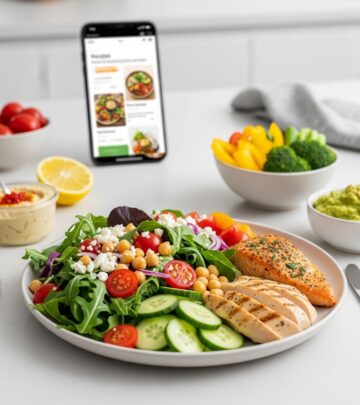
Scan pantry, fridge, and freezer. Build a weekly meal plan around existing items, plugging gaps with a precise shopping list. Apps like Mealime simplify this, reducing overspending by 30%.
2. Buy Fresh, Local Produce
Shop farmers’ markets for peak-season deals. Local produce is cheaper, fresher, and supports community economies. Aim for 50% of veggies from these sources.
3. Buy Staples in Bulk
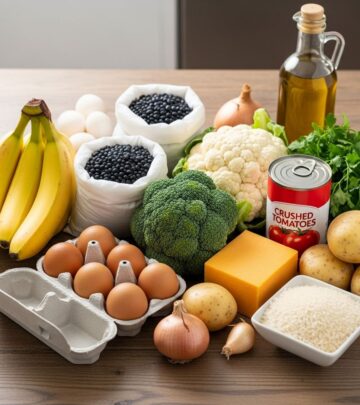
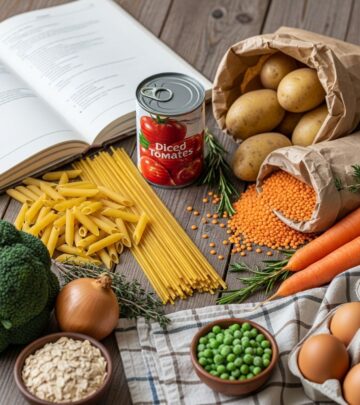
Rice, beans, oats, and flour store indefinitely. Warehouse clubs or co-ops offer the best prices; calculate per-unit costs to confirm savings.
4. Organize Your Pantry
First-in, first-out rotation prevents buried spoilage. Clear bins reveal stock levels, curbing impulse buys.
5. Stop Buying So Much Junk Food
Crowd out snacks with wholesome options. Swap chips for popcorn; the switch saves $200 yearly while improving health.
6. Don’t Buy Name Brands
Store brands match quality at half the price. Blind taste tests confirm parity in staples like pasta and canned goods.
7. Cook from Scratch
Homemade versions of sauces, stocks, and breads cost pennies per serving. Batch-prep stocks from veggie scraps for free flavor enhancers.
Track your budget monthly, adjusting as needed. Boston University’s financial wellbeing guide emphasizes budgeting as key to spending within means and building savings.
Frequently Asked Questions (FAQs)
Q: How can beginners start loving cooking?
A: Begin with simple recipes, organize your space, and focus on one new skill weekly like chopping or seasoning. Success builds enthusiasm quickly.
Q: What’s the biggest money saver in cooking?
A: Meal planning and batch cooking reduce waste and shopping frequency, saving hundreds monthly per USDA estimates.
Q: Are bulk buys always cheaper?
A: Check unit prices; yes for staples, but perishables may spoil. Combine with freezing for best results.
Q: How do I avoid food waste?
A: Inventory first, use FIFO storage, freeze extras, and repurpose leftovers into new meals like soups or stir-fries.
Q: Can cooking save on health costs too?
A: Yes, home-cooked meals control ingredients, reducing processed foods linked to health issues, per financial wellness experts.
Why Loving Cooking Pays Off Long-Term
Beyond immediate savings, cooking cultivates self-reliance. It counters inflation—grocery prices rose 25% in recent years—while providing joy through creativity. Families report stronger bonds over shared meals. Integrate these tips gradually: start with one hack weekly. Track progress in a journal, noting savings and favorite discoveries. Soon, cooking becomes your frugal superpower.
For budgeting context, allocate 10% of income to food as a benchmark, balancing with 10% savings. Official guidelines from the U.S. Department of Agriculture reinforce inventory and planning to combat waste, which hit $218 billion nationally in 2023.
References
- Best Money Tips: Save Time and Money on Food Prep — Wise Bread. 2016. https://www.wisebread.com/best-money-tips-save-time-and-money-on-food-prep
- Best Money Tips: Easy Ways to Be a Better Cook — Wise Bread. 2016. https://www.wisebread.com/best-money-tips-easy-ways-to-be-a-better-cook
- Best Money Tips: 9 Money-Saving Food Hacks — Wise Bread. 2016. https://www.wisebread.com/best-money-tips-9-money-saving-food-hacks
- Save Money and Eat Better With a 7-Step Food Budget — Wise Bread. 2016. https://www.wisebread.com/save-money-and-eat-better-with-a-7-step-food-budget
- What is Financial Wellbeing — Boston University. 2025. https://www.bu.edu/studentwellbeing/what-is-wellbeing/financial-wellbeing/
- Morningstar says these 4 ‘good enough’ money moves — AOL Finance. 2025. https://www.aol.com/finance/morningstar-says-4-good-enough-130000126.html
Similar Articles








Read full bio of Sneha Tete