Best Money Tips: Jumpstart Your Emergency Fund This Month
Discover proven strategies to rapidly build your emergency fund this month and secure your financial future against unexpected expenses.

An
emergency fund
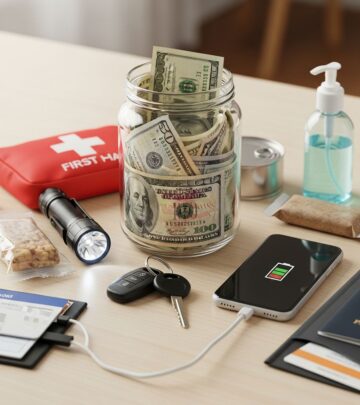
is your financial safety net, recommended by experts to cover 3-6 months of essential living expenses like housing, food, utilities, and transportation. Without it, unexpected events like job loss, medical bills, or car repairs can lead to high-interest debt. This guide provides 15 actionable strategies to build or boost your fund rapidly within one month, drawing from proven personal finance principles.Why You Need an Emergency Fund Now
Life’s unpredictability—car breakdowns, medical emergencies, or income disruptions—makes an emergency fund essential. Financial experts from sources like Nebraska Bank emphasize it prevents reliance on credit cards, which add long-term costs through interest. Aim for 3-6 months of basics; high earners or sole providers may need 12 months. In crises, it offers peace of mind and flexibility.
1. Calculate Your True Emergency Needs
Start by determining your target. List monthly essentials: rent/mortgage ($1,200), groceries ($400), utilities ($200), transport ($300), insurance ($150). Total: $2,250 x 3 months = $6,750 minimum target. Use only ‘must-haves’—exclude dining out or subscriptions. Tools like spreadsheets help track this accurately.
2. Open a Dedicated High-Yield Savings Account
Move money to a
high-yield savings account
earning 1.7-3.6% APY, far better than traditional 0.05%. Options include online banks with no fees, FDIC insurance, and easy access. Check minimum balances to avoid fees; ensure liquidity for true emergencies.3. Automate Transfers Immediately
Set up automatic transfers from checking to savings on payday—$100 weekly builds $400/month effortlessly. ‘Pay yourself first’ ensures consistency before bills.
4. Implement the 50/30/20 Budget Rule
Allocate 50% income to needs, 30% wants, 20% savings/debt. Redirect ‘wants’ savings to your fund. Track with apps for real-time adjustments.
5. Cut Ruthless Expenses This Week
Audit spending: cancel unused subscriptions ($50/month), eat home-cooked meals ($200 savings), shop sales. Small cuts compound—$10/day = $300/month.
- Dining out: Limit to once weekly.
- Streaming: Downgrade or share.
- Groceries: Meal plan, buy generics.
6. Sell Unused Items Online
Declutter: clothes, electronics, furniture on eBay, Facebook Marketplace. Aim for $500 quick cash. Price competitively, take quality photos.
7. Start a No-Spend Challenge
For 30 days, spend only on essentials. Track in a journal; redirect impulses to savings. Builds discipline and frees $300+.
8. Boost Income with Side Hustles
Drive Uber ($20/hour), freelance on Upwork, tutor ($25/hour). Dedicate 100% earnings to fund—even 10 hours/week adds $800/month.
| Side Hustle | Potential Earnings/Month | Startup Time |
|---|---|---|
| Delivery Driver | $600-1,200 | 1 day |
| Online Surveys | $100-300 | Immediate |
| Pet Sitting | $400-800 | 3 days |
9. Negotiate Bills Aggressively
Call providers: cable ($20 off), insurance (shop quotes), rent (highlight tenancy). Savings: $50-100/month.
10. Use Cash Envelopes for Essentials
Envelope system: allocate cash for groceries, gas. Prevents overspending; remainder to fund.
11. Consider Short-Term Bond Funds
For larger funds, allocate to low-risk short-term bond funds (1.7-3.6% returns) via Vanguard/Fidelity. Liquid and safer than stocks, but prioritize stability. Avoid if risking principal.
12. Track Progress Weekly
Review balance Sundays. Celebrate milestones ($500, $1,000) without spending. Momentum builds habit.
13. Build a ‘Second’ Psychological Fund
Some maintain a ‘never-touch’ secondary stash for extreme peace of mind, even if primary covers basics. Enhances resilience without overspending.
14. Avoid Lifestyle Inflation
With raises or bonuses, save 50-100%. Resist upgrades; fund first.
15. Replenish After Use
If tapped, prioritize rebuilding over non-essentials. Automate to prevent recurrence.
How Much Should You Save?
Standard: 3-6 months essentials. Adjust for risk:
- Stable job/family support: 3 months.
- Freelancer/single: 6-12 months.
Start small: Dave Ramsey’s $1,000 ‘baby fund’ before debt payoff.
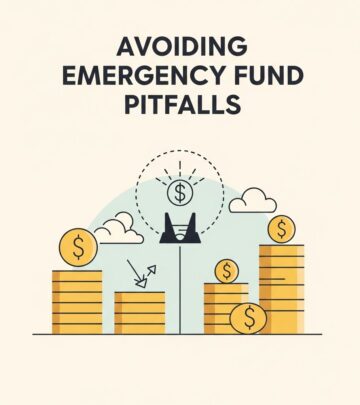
Common Pitfalls to Avoid
- Impulse dips: Define ’emergency’ strictly.
- Low-interest traps: Shop high-yield.
- Overfunding: Balance with investing.
Frequently Asked Questions (FAQs)
What is an emergency fund?
A dedicated savings for unexpected events like job loss or repairs, ideally 3-6 months essentials.
How fast can I build one?
$1,000 in weeks via cuts/hustles; full fund in months with discipline.
Where to keep it?
High-yield savings or money market—liquid, insured, earning interest.
Is a second emergency fund useful?
Yes, for psychological security if you never touch it.
What if I can’t save 3 months?
Start with $500-1,000; build gradually.
Implementing these tips can add $1,000+ this month. Consistency turns it into lasting security. Life with an emergency fund means peace—no debt spirals, quick fixes, endurance through layoffs.
References
- How to Earn Money With Your Emergency Fund — Wise Bread. 2023-05-15. https://www.wisebread.com/how-to-earn-money-with-your-emergency-fund
- A Second Emergency Fund You Never Spend — Wise Bread. 2022-11-10. https://www.wisebread.com/a-second-emergency-fund-you-never-spend
- The Importance of Having an Emergency Fund — Nebraska Bank (ne.bank). 2024-08-20. https://www.ne.bank/the-importance-of-having-an-emergency-fund
- Is Building an Emergency Fund Always a Good Idea? — Wise Bread. 2023-02-28. https://www.wisebread.com/is-building-an-emergency-fund-always-a-good-idea
- How to Budget During a Crisis — Wise Bread. 2024-03-12. https://www.wisebread.com/how-to-budget-during-a-crisis
Similar Articles








Read full bio of Sneha Tete