How To Grow Asparagus: A Money-Saving Guide
Unlock the secrets to cultivating your own asparagus crop and enjoy bountiful harvests year after year while saving on grocery bills.
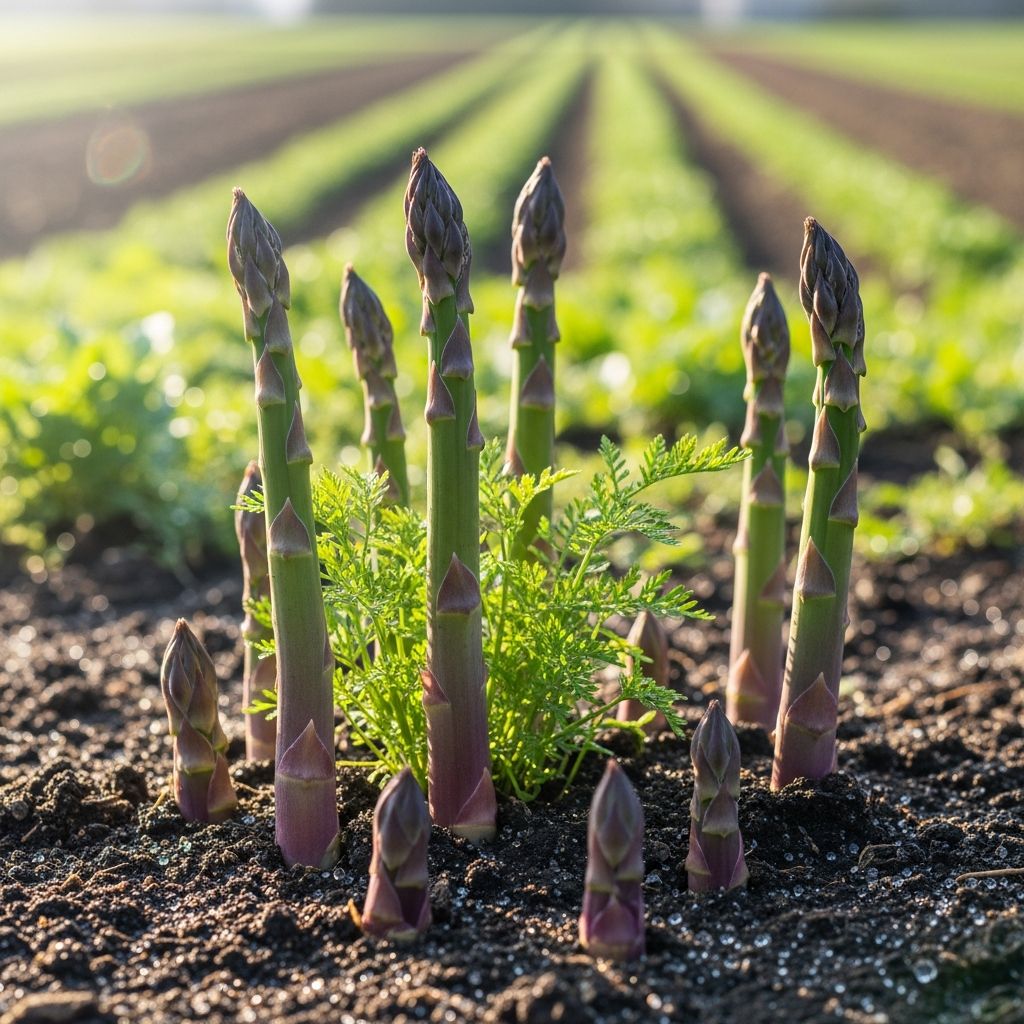
Growing asparagus in your backyard is one of the smartest money-saving moves for any frugal gardener. This perennial vegetable delivers harvests for up to 20 years from a single planting, providing fresh spears each spring at a fraction of store-bought costs. Once established, asparagus requires minimal maintenance, making it an ideal crop for busy households looking to cut grocery expenses while enjoying nutrient-rich produce straight from the garden.
Why Grow Asparagus? The Long-Term Savings
Asparagus crowns cost about $15-25 for 10-15 plants, enough to fill a 20-foot row. In the first harvest year, expect 1/2 pound per plant; by year three, yields reach 1-2 pounds per plant annually. At $4 per pound retail, a mature bed saves $100+ yearly. Beyond savings, homegrown asparagus is fresher, pesticide-free, and packed with vitamins A, C, E, K, folate, and fiber.
- Perennial powerhouse: Harvest annually without replanting.
- Low upkeep: Thrives in zones 3-8 with basic care.
- Space-efficient: One row feeds a family of four.
- Versatile harvest: Spears for eating, ferns for compost.
Choosing the Right Location and Timing
Select a sunny spot (6-8 hours daily) with well-drained soil. Asparagus hates wet feet—raised beds work wonders in clay-heavy areas. Plant in early spring after last frost, or fall in mild climates. Test soil pH (6.5-7.5 ideal); amend with lime if acidic.
| Climate Zone | Best Planting Time | Expected First Harvest |
|---|---|---|
| 3-6 (Northern) | Early Spring | Year 3 |
| 7-8 (Southern) | Fall or Early Spring | Year 2-3 |
| 9+ (Warm) | Winter Dormant | Year 2 |
Selecting Asparagus Varieties
Opt for all-male hybrids like ‘Jersey Knight’ (disease-resistant, high yields) or ‘Jersey Giant’ (thick spears). Females produce berries but fewer spears—males outperform by 30-50%. Buy 1-year-old crowns from reputable nurseries for vigorous starts.
- Jersey Knight: Green spears, rust-resistant, zones 3-9.
- Jersey Giant: Jumbo green spears, heavy producer.
- Mary Washington: Heirloom, reliable for beginners.
- Purple Passion: Sweet purple spears, turns green when cooked.
Preparing the Perfect Bed
Dig trenches 12-18 inches deep, 12 inches wide, spaced 4-5 feet apart. Rows run north-south for even sun. Incorporate 3-5 inches of compost or aged manure, plus 2 pounds of 10-10-10 fertilizer per 50 feet. Mound soil bottoms for crown support.
- Mark row lines with string.
- Dig trenches to depth.
- Fill with organic matter.
- Create 4-6 inch soil mounds.
Pro tip: Install permanent weed barrier fabric under paths to eliminate competition forever.
Planting Asparagus Crowns Step-by-Step
Soak crowns in water 30 minutes pre-planting. Space 12-18 inches apart atop mounds. Spread roots evenly, cover with 2 inches soil. Gradually fill trenches as shoots grow, finishing by early summer. Water deeply weekly first year.

First-Year Care: Building Strong Roots
No harvest year one—let ferns develop. Keep weed-free with shallow cultivation. Mulch with 4 inches straw post-frost to suppress weeds, retain moisture. Fertilize lightly spring (1 pound 10-10-10 per 100 sq ft). Cut ferns to ground after frost.
Years 2-3: Light Harvesting Begins
Year two: Harvest 2 weeks max (early May). Year three: 4 weeks. Snap spears at ground level when 6-8 inches tall, pencil-thick. Stop when spears thin to size of dimes—let ferns grow for next year’s energy.
Mature Bed Harvesting (Year 4+)
Harvest 6-8 weeks mid-April to June. Daily checks prevent over-maturity. Use knife for clean cuts. Expect 20-30 spears per plant peak season. Rotate knife positions to encourage even growth.
“A well-maintained asparagus bed produces for decades, turning pennies into pounds of free food annually.”
Ongoing Maintenance for Peak Production
Fertilize early spring with manure or 10-20-20. Mulch renews annually. Snap ferns post-frost; till lightly if disease-free. Renovate every 10 years by dividing crowns.
Watering and Irrigation Best Practices
1 inch weekly, deeply. Drip irrigation ideal—overhead encourages rust. Sandy soils need more frequent watering. Consistent moisture first two years critical for root establishment.
Weed Control Without Chemicals
Hand-pull young weeds. Mulch thickly. Landscape fabric between rows. Corn gluten meal pre-emergent spring. Healthy vigorous ferns shade out competitors.
Common Asparagus Pests and Diseases
| Problem | Symptoms | Solution |
|---|---|---|
| Asparagus Beetle | Chewed spears, blue/black larvae | Handpick, neem oil, till soil fall |
| Rust | Orange pustules on ferns | Improve air flow, resistant varieties |
| Fusarium Wilt | Yellowing, wilting ferns | Crop rotation, well-drained soil |
| Cutworms | Spears cut at base | Collars, beneficial nematodes |
Troubleshooting Poor Yields
Thin spears? Overharvested or poor fertility. Few spears? Crowded plants need division. Yellow ferns? Overwatering or iron deficiency. Woody spears? Harvest too late or drought stress.
Harvesting and Storage Tips
Cut spears underwater to prevent air embolisms. Refrigerate upright in glass of water like flowers—lasts 2-3 weeks. Blanch and freeze excess for winter. Spears sweeter younger.
Culinary Uses for Your Harvest
- Sauté with garlic and lemon.
- Roast at 425°F, olive oil, salt.
- Steam 3-5 minutes.
- Pickle spears whole.
- Add to frittatas, risottos.
Expanding Your Asparagus Operation
Divide established clumps every 10-15 years. Force early spears in pots under lights. Try container varieties on patios. Companion plant with tomatoes, parsley.
Frequently Asked Questions (FAQs)
Q: How long until my asparagus produces?
Year 3 for full harvest from 1-year crowns. Patience pays dividends for 20+ years.
Q: Can I grow asparagus in containers?
Yes, use 24-inch deep pots with 2-3 crowns. Annual top-dressing fertilizer needed.
Q: Why are my spears skinny?
Overharvesting, poor soil, or root competition. Let ferns grow fully post-harvest.
Q: Is asparagus invasive?
No, but contains aggressively. Install barriers if planting near lawns.
Q: When do I stop harvesting?
When spears pencil-thin. Allows fern development for next year.
Cost-Benefit Analysis: Is It Worth It?
Initial investment: $25 crowns + $20 amendments = $45. Year 3+ ROI: 20 pounds x $4/lb = $80 savings annually. Lifetime value exceeds $1,500. Perfect for sustainable frugality.
Start your asparagus bed this season—future you will thank you with fresh spears every spring!
References
- Asparagus Production Guide — University of Minnesota Extension. 2023-04-15. https://extension.umn.edu/vegetables/growing-asparagus
- Commercial Asparagus Production — Penn State Extension. 2022-06-10. https://extension.psu.edu/asparagus-production
- Home Garden Asparagus — USDA National Agricultural Library. 2024-01-22. https://www.nal.usda.gov/farms-and-agricultural-production-systems/vegetables/asparagus
- Asparagus: The Million Dollar Crop — Cornell Cooperative Extension. 2021-11-05. https://cals.cornell.edu/news/asparagus-million-dollar-crop
- Growing Asparagus Organically — Rodale Institute. 2023-09-18. https://rodaleinstitute.org/science/articles/growing-asparagus-organically/
Similar Articles








Read full bio of Sneha Tete