Best Money Tips: How to Go Without Cell Phones
Discover practical strategies to ditch your cell phone, slash monthly bills, and embrace a simpler, more affordable lifestyle without losing connectivity.

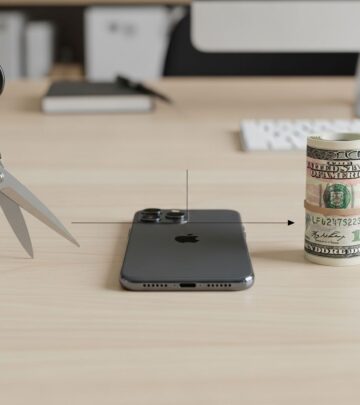
Eliminating your cell phone can save you $50–$150 monthly, or up to $1,800 yearly, freeing up funds for debt payoff, savings, or investments. Many people rely on smartphones for everything from calls to banking, but ditching them promotes mindfulness, reduces distractions, and proves essential connectivity is possible without the expense. This article explores how to transition smoothly, covering communication, navigation, emergencies, entertainment, and more.
Why Go Without a Cell Phone?
Cell phone bills are a major budget drain. According to financial analyses, average U.S. wireless spending exceeds $1,200 annually per person, often for features like unlimited data rarely needed. Going phoneless slashes this cost instantly, redirecting money to high-interest savings or retirement accounts. Beyond savings, it curbs impulse spending via apps, minimizes screen addiction, and encourages real-world interactions. A 2023 Federal Communications Commission report notes over 90% of Americans have mobile access, yet landlines and Wi-Fi suffice for basics. Bread Financial highlights checking wireless bills as a top saving tip, emphasizing cuts here yield quick wins.
Communication Alternatives
Stay connected without a cell plan using these reliable options:
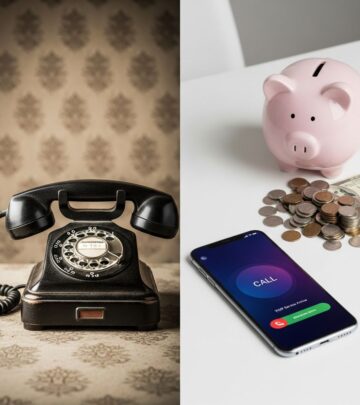
- Landline Service: Traditional home phones cost $20–$40/month via providers like AT&T or Verizon, offering unlimited local calls without data fees. Ideal for families.
- VoIP Services: Apps like Google Voice, Skype, or TextNow provide free calling/texting over Wi-Fi. Link to a Google account for a free U.S. number; works on computers or cheap tablets.
- Prepaid Burner Phones: Buy $10–$20 prepaid cards for occasional use from Tracfone or similar, avoiding contracts.
- Email and Messaging: Use desktop clients or web apps for Gmail, Facebook Messenger on home computers.
- Public Payphones: Rare but free in airports/hotels; apps like Google Maps locate them.
Transition tip: Forward old cell numbers to VoIP for seamless contacts. Wise Bread contributors report saving hundreds by switching to VoIP during economic crunches.
Navigation Without GPS
Smartphone GPS apps dominate, but alternatives abound:
- Printed Maps and Atlases: AAA or Rand McNally maps cost $10–$20 and never fail due to dead batteries. Libraries lend them free.
- Desktop Mapping: Plan routes on Google Maps at home, print directions. Bread Financial suggests carpooling to cut gas, pairing well with pre-planned trips.
- Dashboard GPS Units: Garmin devices ($100 one-time) outperform phones in sunlight/accuracy.
- Ask for Directions: Gas stations, locals provide real-time advice; builds community ties.
- Compass and Mile Markers: Highway signs guide long trips reliably.
For urban dwellers, memorize bus schedules or use city transit apps on home Wi-Fi. Extreme savers delay non-essential travel, staying local to minimize navigation needs.
Emergencies and Safety
Safety concerns deter many, but preparation mitigates risks:
- Home Emergency Phone: Corded landlines work during blackouts; keep one plugged in.
- Personal Alarm Devices: Whistles or $20 keychain sirens alert others effectively.
- Neighborhood Watch: Inform neighbors of routines; reciprocal check-ins enhance security.
- ICE Contacts: Wallet cards list emergency numbers/info for first responders.
- Self-Defense Training: Free community classes build confidence over gadget reliance.
In vehicles, CB radios ($30–$50) enable trucker networks for roadside help. Wise Bread notes invisible savings like skipping car services, but safety first—carry jumper cables, flares.
Banking and Finances
Handle money sans mobile apps:
| Method | Pros | Cons | Cost |
|---|---|---|---|
| Online Banking via PC | Free transfers, bill pay | Needs internet | $0 |
| Branch Visits | Personal service | Time-consuming | $0–$5 fees |
| Prepaid Debit Cards | No overdraft risk | Load fees possible | $3–$10/month |
| Cash Envelopes | Budget discipline | No digital tracking | $0 |
| Checks/Money Orders | Secure payments | Slow processing | $1–$2 each |
Automate deposits to savings for ‘invisible’ growth, as Wise Bread advises—round up transactions mentally. Track via spreadsheets; avoid ATM fees by banking locally.
Entertainment and Downtime
Replace scrolling with enriching pursuits:
- Library Resources: Free books, DVDs, audiobooks, internet. Borrow e-readers.
- Board Games/Card Nights: Social, zero cost with friends/family.
- Outdoor Activities: Hiking, biking—free exercise per Bread Financial tips.
- Radio/Podcasts: Desktop streaming or cheap players.
- Home Hobbies: Knitting, puzzles, DIY projects cut entertainment spends.
Extreme savers hoard freebies or dumpster dive moderately, but focus on joyful, free fun like sunsets.
Work and Productivity
For remote/professional needs:
- Laptop/Desktop: Full email, calendars, video calls via Zoom/Skype.
- Shared Work Phones: Office landlines or family lines.
- Productivity Apps: Web versions of Todoist, Google Calendar.
- Co-Working Spaces: Libraries offer free Wi-Fi/printers.
- Time Blocking: Paper planners prevent distraction overload.
Freelancers assign clients to bills for motivation, per Wise Bread. Sell unused gadgets on Craigslist for extra cash.
Shopping and Coupons
Clip savings traditionally:
- Sunday Papers: Physical coupons for groceries/deals.
- Store Loyalty Cards: No app needed at checkout.
- Price Books: Notebook tracking beats apps.
- Bulk Buying: Wholesale clubs like Costco.
- Thrift/Dollar Stores: Extreme frugality staples.
Turn shopping into challenges: clearance first, cash only.
Health and Fitness
Phone-free wellness:
- Home Workouts: YouTube on TV/laptop; bodyweight routines.
- Walking Groups: Community meets replace apps.
- Free Parks/Trails: Nature therapy saves gym fees.
- Meal Prepping: Paper recipes, no trackers.
- Mental Health: Journaling, meditation sans apps.
Travel and Road Trips
Adventure without data:
- Paper Guides: Lonely Planet books from libraries.
- Hostel Calls: Shared phones at lodging.
- Ridesharing Orgs: Pre-arrange via email.
- Staycations: Local exploration cuts costs.
Frequently Asked Questions (FAQs)
Q: Can I really save $1,000+ yearly without a cell phone?
A: Yes, average bills run $100+/month; alternatives cost under $30, netting $800–$1,500 savings.
Q: What about emergencies if I have no phone?
A: Landlines, neighbors, car kits cover 99% of needs; statistics show most aid comes from bystanders anyway.
Q: How do I tell friends/family I’m going phoneless?
A: Email a group note with your landline/VoIP number and preferred contact times.
Q: Is this feasible for jobs requiring phones?
A: Most use VoIP or office lines; negotiate employer stipends if needed.
Q: Won’t I miss social media and apps?
A: Access via computer; many report improved focus and relationships post-ditch.
Getting Started: 30-Day Challenge
Week 1: Cancel service, set up landline/VoIP. Week 2: Print maps, buy alarm. Week 3: Stock library card, planner. Week 4: Review savings, adjust. Track progress—many save more via reduced distractions. Embrace the freedom!
References
- 11 Ways to Save Money — Bread Financial. 2024. https://www.breadfinancial.com/en/financial-education/responsible-saving/ways-to-save-money.html
- Ready For Extreme Saving? Money Saving Advice For an Extreme Economy — Wise Bread. 2009-01-01. https://www.wisebread.com/ready-for-extreme-saving-money-saving-advice-for-an-extreme-economy
- 10 Smart Ways to Make Yourself Love Saving Money — Wise Bread. 2010-01-01. https://www.wisebread.com/10-smart-ways-to-make-yourself-love-saving-money
- 3 Invisible Savings Tips That Work — Wise Bread. 2009-01-01. https://www.wisebread.com/3-invisible-savings-tips-that-work
- Best Money Tips: Simple Ways to Save More, Worry Less — Wise Bread. 2023-01-01. https://www.wisebread.com/best-money-tips-simple-ways-to-save-more-worry-less
Similar Articles








Read full bio of Sneha Tete