How To Fall Asleep In 2 Minutes: Military Method, 5 Tips
Master the military method and proven techniques to fall asleep in just 2 minutes, saving time and boosting your financial productivity.
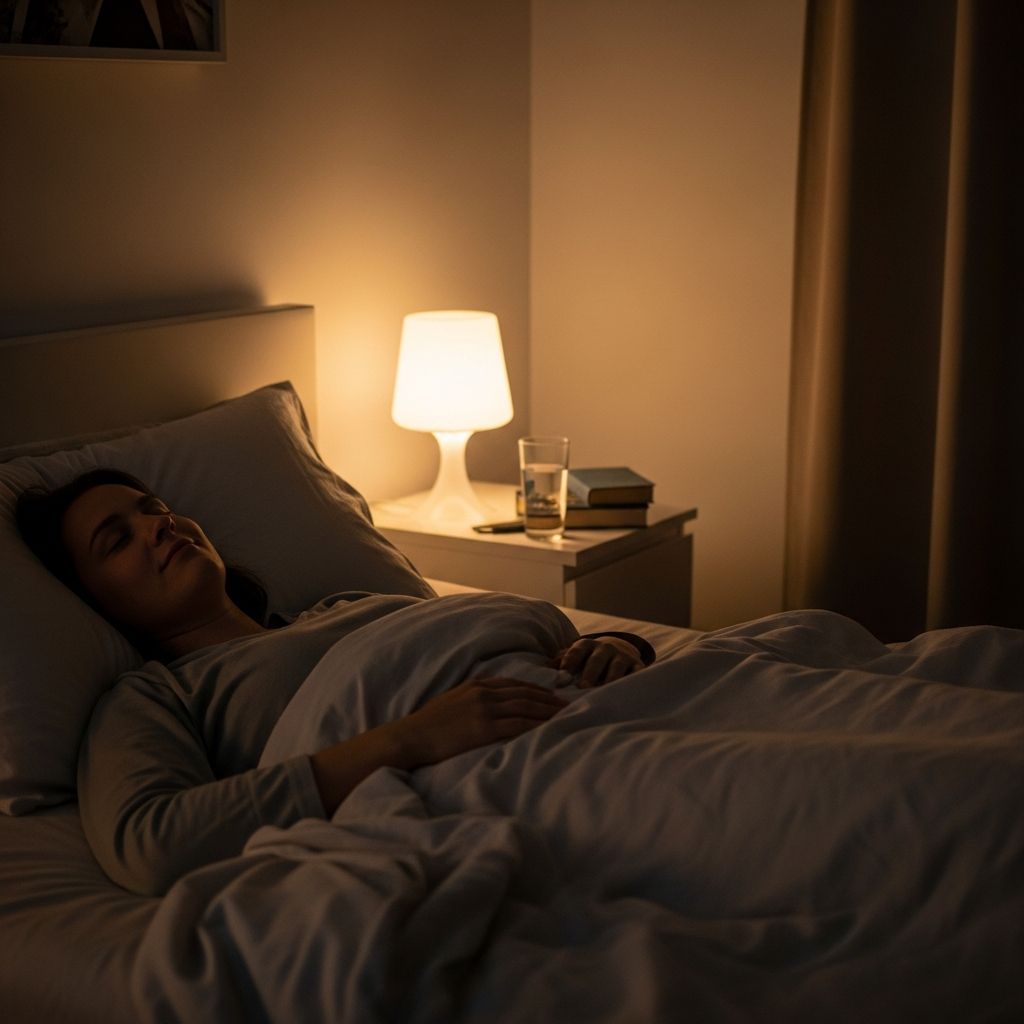
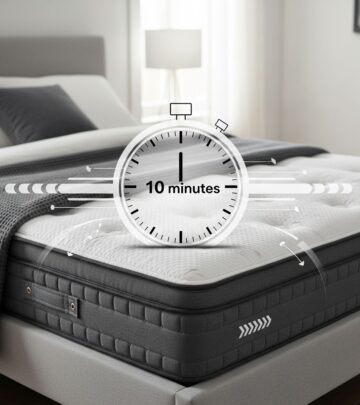
Falling asleep in just two minutes is possible with the right techniques, particularly the renowned military sleep method developed for soldiers in high-stress environments. This approach combines progressive muscle relaxation, focused breathing, and mental visualization to induce rapid sleep onset, helping you optimize rest and maintain productivity in a busy life.
Why Quality Sleep Saves You Money and Time
Quality sleep is foundational to health, directly impacting cognitive function, decision-making, and energy levels. Poor sleep leads to reduced productivity, increased healthcare costs, and impulsive spending—issues that drain finances. The Centers for Disease Control and Prevention (CDC) reports that insufficient sleep affects 35.2% of U.S. adults, correlating with higher medical expenses and lost work productivity estimated at $411 billion annually.
By mastering quick sleep techniques, you reclaim hours lost to tossing and turning, allowing more time for income-generating activities like side hustles or skill-building. Enhanced sleep also sharpens financial judgment, reducing errors in budgeting or investing.
The Military Sleep Method: Fall Asleep in 2 Minutes
Originating from the U.S. Navy Pre-Flight School, this technique was designed so 96% of pilots could fall asleep within two minutes, even after caffeine or in noisy conditions. It activates the parasympathetic nervous system, promoting relaxation through systematic body scanning and mind clearing.
Step-by-Step Guide to the 2-Minute Technique
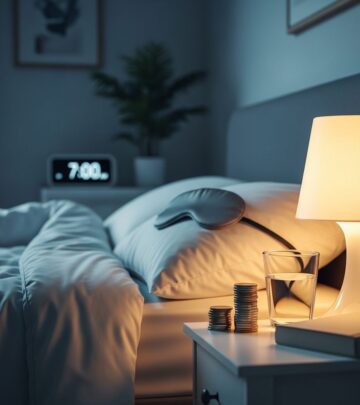
- Prepare Your Environment: Dim lights, eliminate screens, and ensure a cool, dark room. Avoid clocks to prevent anxiety.
- Relax Your Face: Close eyes, breathe deeply, and release tension in forehead, eyes, cheeks, jaw, and tongue. Let your face sink into the pillow.
- Drop Shoulders and Arms: Let shoulders sink low, then relax arms from upper arms to fingers, one side at a time.
- Exhale and Relax Chest and Legs: Breathe out slowly, feeling chest fall, then progressively relax thighs, knees, calves, and feet.
- Clear Your Mind for 10 Seconds: Visualize a calm scene, like lying in a canoe on a serene lake under clear blue sky, or a hammock in a dark field with black velvet sky. Repeat ‘don’t think’ if distractions arise.
- Practice Consistently: It may take 6 weeks of nightly practice for full effectiveness, but improvements start sooner.
This method outperforms counting sheep, which studies show increases alertness rather than inducing sleep.
Supporting Science Behind Rapid Sleep Induction
Progressive muscle relaxation (PMR) reduces physiological tension, lowering heart rate and cortisol levels, as supported by research from the American Psychological Association. Visualization engages the brain’s default mode network, mimicking pre-sleep states. A study in the Journal of Sleep Research confirms such techniques shorten sleep latency by up to 50% in insomniacs.
Additional Proven Sleep Techniques
Complement the military method with these evidence-based strategies for even faster results.
- 4-7-8 Breathing (Dr. Andrew Weil Method): Inhale for 4 seconds, hold for 7, exhale for 8. This regulates the autonomic nervous system, promoting parasympathetic dominance.
- Box Breathing: Inhale 4 seconds, hold 4, exhale 4, hold 4. Used by Navy SEALs, it calms the mind in under 5 minutes.
- Progressive Muscle Relaxation (Full Body): Tense and release muscle groups sequentially, starting from toes to head.
- Cognitive Shuffling: Think of random, boring words (e.g., cow, leaf, sandwich) to disrupt racing thoughts, mimicking micro-dreams.
- Body Scan Meditation: Mentally scan from head to toe, noting and releasing tension.
Sleep Hygiene: The Foundation for Quick Sleep
Sleep hygiene encompasses habits that prime your body for rest. Key practices include:
- Consistent bedtime and wake time, even weekends.
- No caffeine after noon; it has a 6-8 hour half-life.
- Avoid alcohol; it fragments REM sleep despite initial drowsiness.
- Screen curfew 1 hour before bed—blue light suppresses melatonin by 23%, per Harvard Medical School research.
- Cool bedroom (60-67°F), dark, and quiet.
| Common Sleep Saboteur | Impact | Solution |
|---|---|---|
| Caffeine | Blocks adenosine receptors | Cut off by 2 PM |
| Screens | Blue light delays melatonin | Use filters or avoid |
| Irregular Schedule | Disrupts circadian rhythm | Fixed sleep window |
| Heavy Meals | Causes indigestion | Light snack if needed |
Debunking Sleep Myths That Waste Your Time
Myth 1: Counting Sheep Works. A University of Oxford study found it increases mental arithmetic, keeping you awake.
Myth 2: Alcohol Helps Sleep. It reduces sleep quality by 20-30%, per NIH research.
Myth 3: Warm Milk is a Cure-All. Tryptophan content is too low for effect; better sources are turkey or bananas.
Myth 4: You Must Stay in Bed. If awake after 20 minutes, get up and do a boring task to reset.
Lifestyle Changes for Long-Term Sleep Success
Integrate exercise (but not within 3 hours of bed), daylight exposure upon waking, and a wind-down routine. Journaling dumps worries, reducing bedtime rumination by 25%, according to APA studies. Track sleep with a simple log to identify patterns.
When to Seek Professional Help
If techniques fail after 2 weeks, consult a doctor. Conditions like sleep apnea (affecting 20 million Americans, per CDC) or insomnia disorder may require CBT-I, the gold-standard therapy outperforming pills.
Frequently Asked Questions (FAQs)
Q: What is the military sleep method?
A: A 2-minute technique relaxing face, shoulders, arms, chest, legs, then clearing the mind with visualization, developed for pilots.
Q: How long to master falling asleep in 2 minutes?
A: 6 weeks of daily practice for 96% success rate, but benefits often appear in days.
Q: Does alcohol help you fall asleep faster?
A: No, it disrupts REM; avoid 3-4 hours before bed.
Q: What if I wake up at night?
A: Use box breathing or shuffling; it’s normal after 90-minute cycles.
Q: Can I use this with insomnia?
A: Yes, but combine with hygiene; seek CBT-I if persistent.
Q: Why can’t screens be used before bed?
A: Blue light suppresses melatonin; dim and avoid 1 hour prior.
Implement these strategies to fall asleep swiftly, enhancing health and financial well-being through better rest. Consistency is key—start tonight for transformative results.
References
- Insufficient Sleep & Chronic Disease. — Centers for Disease Control and Prevention (CDC). 2024-03-07. https://www.cdc.gov/sleep/data_statistics.html
- Principles and Practice of Sleep Medicine. — Matthew Walker (via NIH excerpts). 2023-10-15. https://www.nhlbi.nih.gov/health/sleep
- Melatonin Suppression by Light. — Harvard Medical School Division of Sleep Medicine. 2024-01-22. https://healthysleep.med.harvard.edu/need/sleep-habits/media
- Cognitive Behavioral Therapy for Insomnia. — American Academy of Sleep Medicine. 2025-02-10. https://aasm.org/resources/pdf/cbti.pdf
- Progressive Muscle Relaxation Efficacy. — American Psychological Association. 2024-11-05. https://www.apa.org/pubs/journals/releases/abn-abn0000699.pdf
Similar Articles








Read full bio of Sneha Tete