Best Money Tips: How to Eat Organic on the Cheap
Discover proven strategies to enjoy nutrient-rich organic foods without breaking your budget, from smart shopping to home preservation techniques.
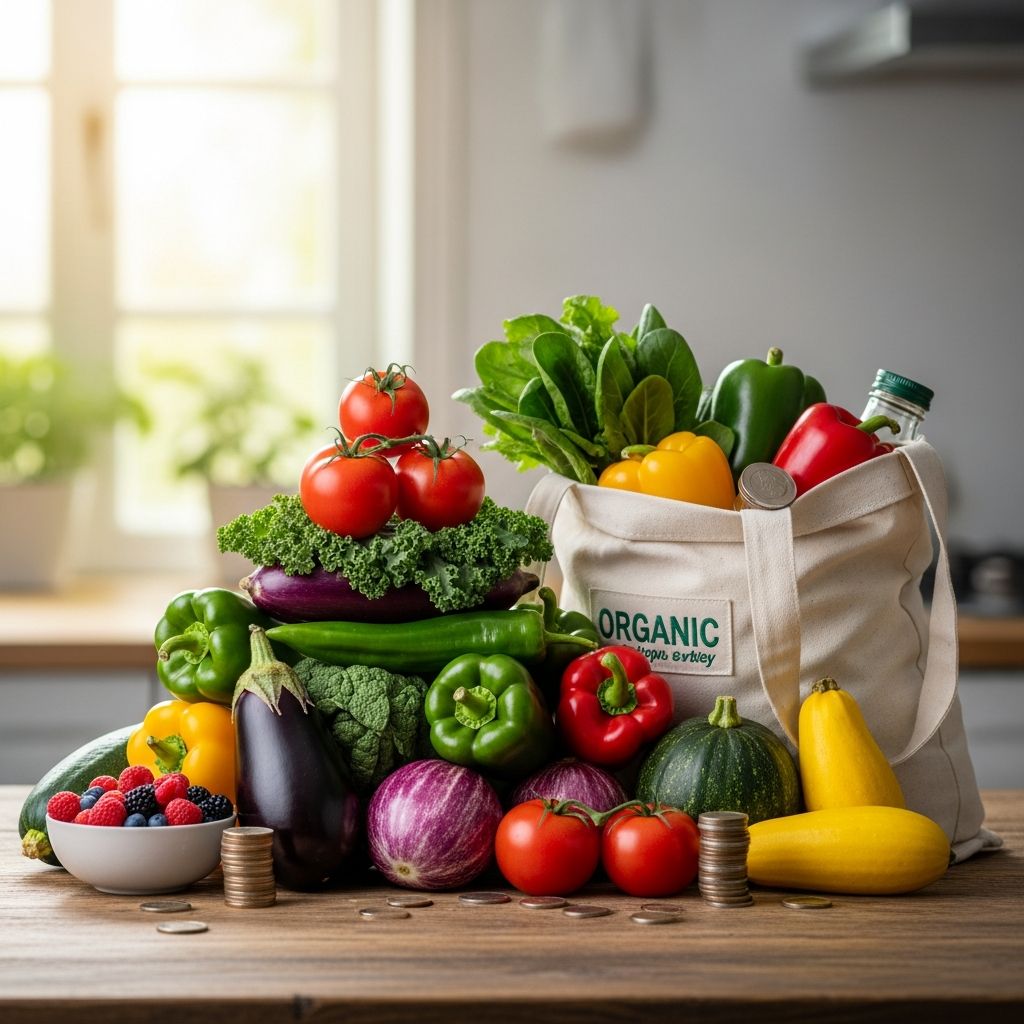
Eating organic doesn’t have to drain your wallet. With rising food prices, many people assume nutrient-dense, chemical-free produce and staples are a luxury reserved for the wealthy. However, smart strategies allow anyone to incorporate organic foods into their diet affordably. This guide draws from proven frugal living principles to help you slash grocery bills while prioritizing health. By shopping strategically, planning ahead, and embracing home cooking, you can enjoy fresh, organic meals without compromise.
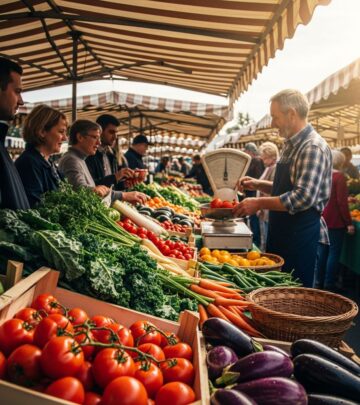
Shop Farmers Markets or Get a CSA Share
One of the best ways to access affordable organic produce is through
farmers markets
orCommunity Supported Agriculture (CSA) shares
. These direct-from-farm options cut out middlemen, delivering fresher, often cheaper goods than supermarkets. Produce at markets is typically picked that day, bursting with flavor and nutrients that grocery store items can’t match.CSAs let you subscribe for weekly boxes of seasonal organic veggies and fruits at a fixed, budget-friendly rate. Many farms offer sliding scales or payment plans, making it accessible even on a tight budget. Look for markets at season’s end for discounts on surplus crops. Supporting local farmers not only saves money but boosts community sustainability.
- Arrive early for the best selection and deals.
- Haggle politely—many vendors offer bundle discounts.
- Compare CSA shares: some include eggs, herbs, or value-added items like jams.
Avoid Products With Excess Packaging
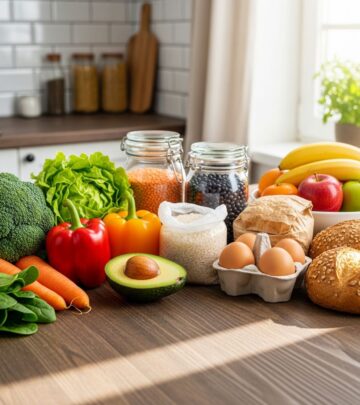
Packaged organic foods inflate costs due to manufacturing and shipping. Opt for
bulk sections
instead, where bins of grains, nuts, seeds, and spices cost significantly less. Bring your own reusable containers to avoid plastic waste and extra fees—compare packaged oats at $5/lb to bulk at $1.50/lb.Bulk buying shines for staples like rice, lentils, quinoa, and dried fruits. It’s fresher without preservatives and lets you purchase exact amounts, reducing waste. Stores like co-ops or health food chains often have the widest selections at competitive prices.
| Item | Packaged Price (per lb) | Bulk Price (per lb) | Savings |
|---|---|---|---|
| Almonds | $8 | $4.50 | 44% |
| Oats | $3 | $1.20 | 60% |
| Quinoa | $6 | $2.80 | 53% |
Skip Meat and Dairy Substitutes
If embracing a plant-based approach, avoid pricey faux meats and dairy alternatives like vegan cheeses or burgers. These processed items can cost 2-3x real meat equivalents without matching nutrition. Focus on whole foods: beans, lentils, tofu from bulk, and nuts for protein.
Real savings come from nature’s originals—organic tofu at $2/lb beats $6/lb plant-based patties. Homemade nut milks from bulk almonds or oats cost pennies per serving. This shift not only trims bills but enhances health with unprocessed nutrients.
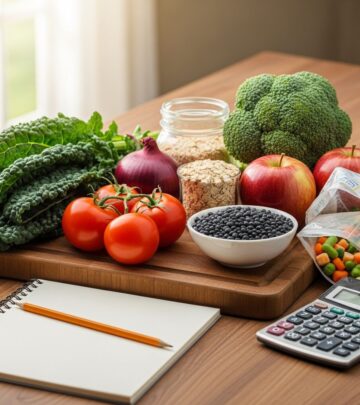
Plan Your Menu Ahead of Time
**Menu planning** is a game-changer for organic eating on a budget. Spend 15 minutes weekly drafting dinners using seasonal, on-sale items. Overlap ingredients across meals—use extra carrots from soup in salads. Incorporate leftovers to stretch every dollar.
Apps like those for meal management help track recipes and lists. Build around cheap staples: rice bowls with veggies, lentil stews, or veggie stir-fries. Seasonal focus ensures peak flavor and lowest prices.
- Review sales flyers from multiple stores.
- List 5-7 dinners with shared ingredients.
- Factor in breakfasts/lunches from leftovers.
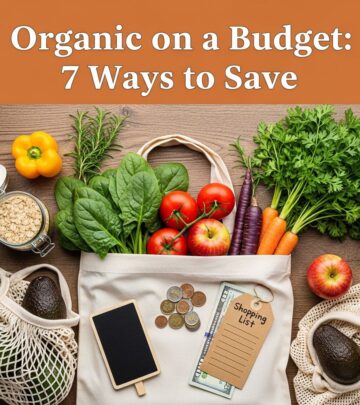
Write a List Before Heading to the Store
Never shop without a
grocery list
—it’s your shield against impulse buys. Studies show list-users spend 20-30% less. Categorize by store aisle for efficiency: produce, bulk, frozen. Apps sync family input, preventing duplicates.Stick rigidly: no deviations for that $4 cereal or $3 sauce. Lists keep you on budget, targeting only planned organics.
Try Different Grocery Stores
Grocery prices vary wildly by store. Your favorite might charge premium for organics, while ethnic markets or co-ops undercut them. Rotate weekly: stock up on deals like $1/lb cheaper quinoa elsewhere.
Explore chains, independents, and discount spots. Ethnic stores often have unbeatable produce prices due to direct sourcing. Track prices via apps for the best rotations.
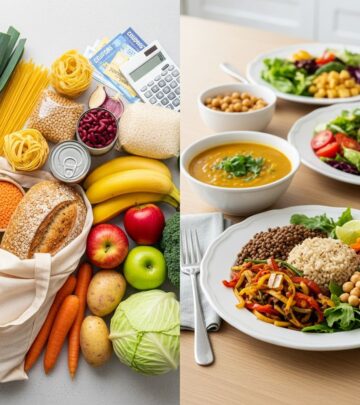
Cook From Scratch
Packaged convenience foods are budget-busters.
Cooking from scratch
with raw organics slashes costs—homemade bread from bulk flour costs $0.50/loaf vs. $4 store-bought. Batch-prep waffles, soups, or granola for freezing.Time-saving hacks: one-pot meals, sheet-pan dinners. Scratch cooking yields healthier, tastier results without additives.
Consider Learning Techniques Like Canning and Freezing
Preservation combats waste and off-season prices.
Freezing
is beginner-friendly: portion berries, veggies, or sauces in bags. Canning extends summer bounty year-round.Small spaces work—use ice cube trays for pestos or stocks. These skills multiply savings, providing organic staples cheaply long-term.
Frozen Veggies and Berries
For busy nights,
frozen organics
deliver nutrition without spoilage risk. Peas, spinach, or mixed veggies are flash-frozen at peak ripeness, often cheaper than fresh off-season. Frozen berries shine in smoothies or baking—no waste.Seek frozen CSAs for local organics year-round. Budget weekly for these reliable staples.
Frequently Asked Questions (FAQs)
Q: Is organic food always more expensive?
A: Not with smart shopping—bulk, seasonal buys, and markets often match or beat conventional prices for staples.
Q: How do I start a CSA on a budget?
A: Choose half-shares or payment plans; many farms offer work-trade discounts. Compare 3-5 options locally.
Q: What’s the biggest savings tip?
A: Bulk buying and scratch cooking—combine for 50%+ reductions on organic staples.
Q: Are farmers markets cheaper year-round?
A: Best in peak season; off-season, pivot to frozen or stored goods.
Q: Can I eat organic vegan frugally?
A: Absolutely—focus on beans, grains, veggies; skip substitutes for max savings.
References
- 25 Frugal Items for Your Organic Vegan Grocery List — Wise Bread. 2010-approx. https://www.wisebread.com/25-frugal-items-for-your-organic-vegan-grocery-list
- Cut Your Grocery Bill AND Eat Real, Nutrient Dense Food — From Scratch Farmstead (YouTube). 2022-06-23. https://www.youtube.com/watch?v=ywCwObGnb-Y
- 25 Ways to Lower Your Grocery Bill — Wise Bread. 2010-approx. https://www.wisebread.com/25-ways-to-lower-your-grocery-bill
- Best Money Tips: Buy Organic on a Budget — Wise Bread. 2010-approx. https://www.wisebread.com/best-money-tips-buy-organic-on-a-budget
- Eating Locally on a Budget — Wise Bread. 2010-approx. https://www.wisebread.com/eating-locally-on-a-budget
Similar Articles








Read full bio of Sneha Tete