Best Money Tips: How to Eat Healthy Even If You Hate Cooking
Discover practical, budget-friendly strategies to maintain a healthy diet without spending hours in the kitchen or breaking the bank.
Eating healthy doesn’t have to mean gourmet cooking or expensive ingredients. For those who hate cooking or live on a tight budget, simple strategies using affordable staples like vegetables, grains, fruits, and legumes can provide complete nutrition while saving money. This guide draws from timeless frugal eating principles to help you build nutritious meals effortlessly.
Build Your Diet Around Affordable Staples
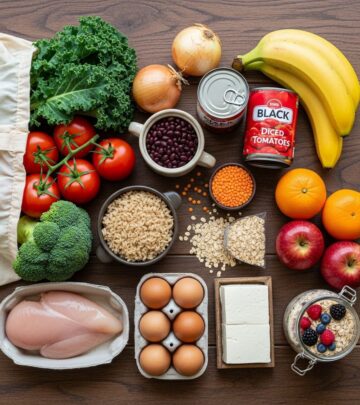
The foundation of a healthy, frugal diet starts with variety in cheap, nutrient-dense foods. Focus on vegetables, grains, fruits, and legumes—these provide vitamins, fiber, minerals, and energy without needing complex recipes or cooking prowess.
Start with Vegetables: Cheap and Versatile
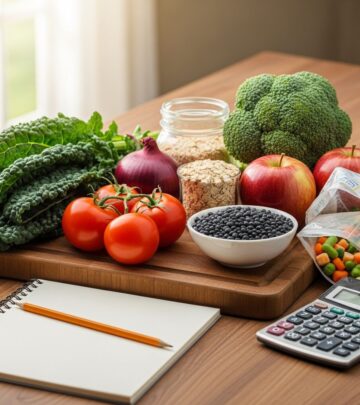
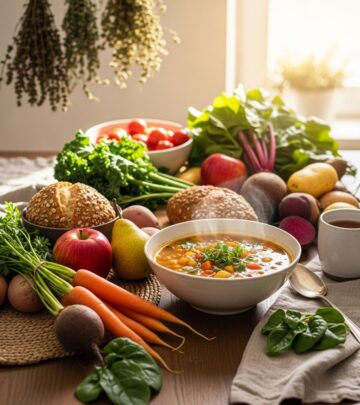
Vegetables are the cornerstone of healthy eating on a budget. Buy what’s in season and locally grown for the lowest prices—often under $1 per pound. Aim for variety: include leafy greens like cabbage or spinach, root veggies like carrots and potatoes, and colorful options like peppers or onions. You don’t need to cook elaborately; eat them raw in salads, steamed in minutes, or roasted simply.
- Stock up on sales: Frozen veggies are often cheaper and retain nutrients.
- Daily goal: Fill half your plate with veggies for satiety and nutrition.
- No-cook hack: Slice cucumbers, carrots, or bell peppers for instant snacks.
Eating a lot of vegetables ensures you’re getting antioxidants, vitamins A and C, and fiber, which support digestion and immunity. Billions worldwide thrive on veggie-heavy diets, proving you don’t need meat for health.
Grains: Your Energy Base on the Cheap
Whole grains like rice, oats, cornmeal, and flour form a budget-friendly energy source. Prefer whole over refined for more fiber and nutrients, but buy whatever’s cheapest. Raw grains cook quickly in bulk, yielding meals for days.
- Rice or oats: Boil once a week for porridge, salads, or sides.
- Bread and pasta: Convenient prepared options when time is short.
- Tip: At least half your grains should be whole to avoid nutrient gaps like those from all-white rice.
Grains provide complex carbs for sustained energy, making them ideal for non-cooks who can pair them with veggies for balanced meals.
Fruits: A Modest Splash of Sweetness
Fruits add vitamins and natural sweetness without excess calories. You don’t need much—one apple and a glass of 100% juice daily suffices. Opt for affordable options like bananas, apples, or seasonal berries over pricey exotics.
- Whole fruits beat juice for fiber and fullness.
- Budget buy: Frozen berries for smoothies—no blender needed, just thaw.
- Health boost: Prevents scurvy and supports heart health.
Moderation keeps costs low while delivering essential vitamin C and antioxidants.
Legumes: Protein Powerhouses for Pennies
Beans, lentils, and peas are inexpensive protein sources that pair perfectly with grains for complete amino acids. Canned versions are no-cook ready; dry ones simmer in 20-30 minutes.
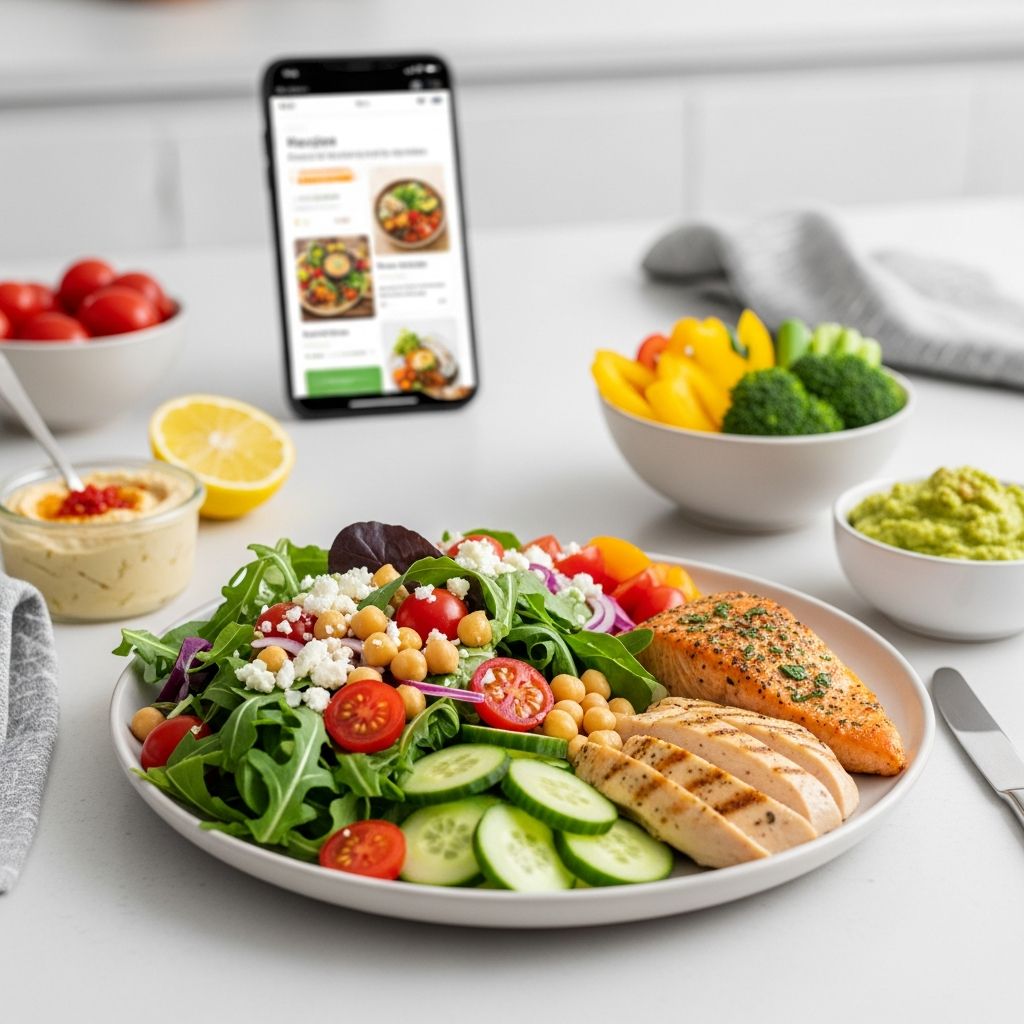
- Chickpeas, black beans, lentils: Rinse and eat cold in salads.
- Buy in bulk: Dry beans cost pennies per serving.
- Variety tip: Rotate types to cover mineral needs like iron and zinc.
Legumes fill you up, stabilize blood sugar, and slash grocery bills dramatically.
No-Cook and Minimal-Effort Meal Ideas
Hating cooking? These ideas require zero to minimal stove time, using your staples.
| Meal Type | Ingredients | Prep Time | Cost per Serving |
|---|---|---|---|
| Breakfast | Oats + banana + yogurt | 2 min (soak overnight) | $0.50 |
| Lunch | Canned beans + chopped veggies + olive oil | 5 min | $0.75 |
| Dinner | Rice salad: Cold rice + legumes + greens | 10 min | $1.00 |
| Snack | Apple + carrot sticks | 1 min | $0.30 |
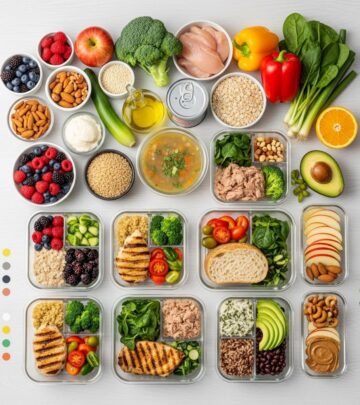
Batch-prep grains and legumes weekly to assemble meals instantly. Total daily cost: under $3, beating fast food nutrition and price.
Enhance with Optional Add-Ins (If Budget Allows)
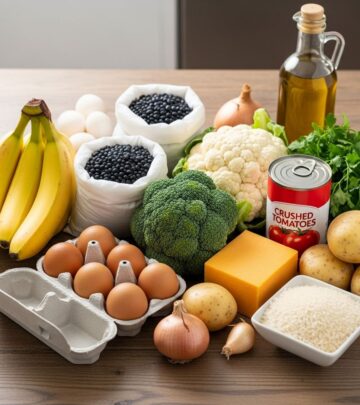
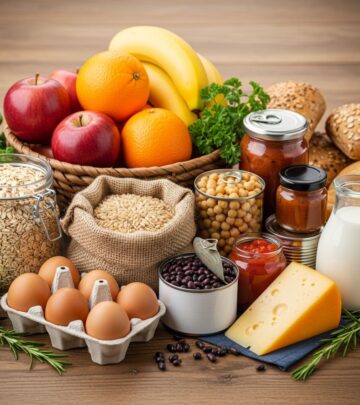
Vegetables, grains, fruits, and legumes cover basics. Add these sparingly for variety:
- Eggs or yogurt: Cheap protein boosts.
- Nuts/seeds: Sprinkle for healthy fats.
- Lean meat/fish: Occasional sales only—over-reliance hikes costs and health risks.
Eat less animal products than you can afford for better health and savings. Focus on nutrient density: liver or fatty fish if including meat.
Smart Shopping Strategies for Frugal Health
- Shop sales and seasons: Veggies drop 50% in peak times.
- Buy generic/frozen: Same nutrition, half the price.
- Avoid processed: Whole foods are cheaper long-term.
- Plan weekly: Prevents impulse buys.
- Portion control: Eat lightly to stay satisfied without overeating.
Holistic analysis shows home staples beat fast food when factoring health costs.
Common Myths Busted
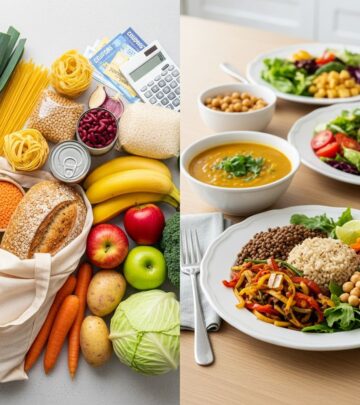
- Myth: Healthy eating is expensive. Staples like beans ($1/lb) and rice ($0.50/lb) make $5/day feasible.
- Myth: Poor access to healthy food. Basics are everywhere, healthier than fast food.
- Myth: Need meat daily. Plant-based variety suffices for billions.
Frequently Asked Questions (FAQs)
Q: Can I really get all nutrients without meat?
A: Yes, diverse veggies, grains, fruits, and legumes provide complete nutrition. Add eggs/dairy if desired.
Q: How do I eat healthy under $5/day?
A: Prioritize bulk staples, shop sales, minimize meat/juice. Examples: Oatmeal breakfast, bean salad lunch.
Q: What if I hate all cooking?
A: Use no-cook options like canned beans, raw veggies, cold grains. Batch minimal cooking weekly.
Q: Are frozen foods as healthy?
A: Often more so—nutrients locked in at peak ripeness, cheaper than fresh out-of-season.
Q: How to add variety without boredom?
A: Rotate colors/types: Green leafy, orange roots, beans in different spices.
Long-Term Benefits and Motivation
Adopting this approach controls weight, cuts medical bills, boosts energy, and simplifies life. Readers report managing IBS without meds via light, balanced eating. Start small: Swap one meal weekly. Track savings—$100+/month possible.
Variety prevents deficiencies; tweak for low-fat/low-carb preferences once basics are set. Subsidizing healthy staples mentally reinforces choices.
References
- Healthy, Frugal Eating — Wise Bread. 2008-10-15. https://www.wisebread.com/healthy-frugal-eating
- Best Money Tips: Eating Healthy on a Slim Budget — Wise Bread. Accessed 2026. https://www.wisebread.com/best-money-tips-eating-healthy-on-a-slim-budget
- Recent Comments on Wise Bread — Wise Bread. Accessed 2026. https://www.wisebread.com/comments/book%20flights?page=2919
- Ask the Readers: How Do You Eat Healthy on a Budget? — Wise Bread. Accessed 2026. https://www.wisebread.com/ask-the-readers-how-do-you-eat-healthy-on-a-budget-chance-to-win-25?page=1&quicktabs_2=0
- Eating at the Intersection of Cheap and Healthy — Wise Bread. Accessed 2026. https://www.wisebread.com/eating-at-the-intersection-of-cheap-and-healthy
- Best Money Tips: Eat Healthy for Under $5 a Day — Wise Bread. Accessed 2026. https://www.wisebread.com/best-money-tips-eat-healthy-for-under-5-a-day
Similar Articles








Read full bio of Sneha Tete