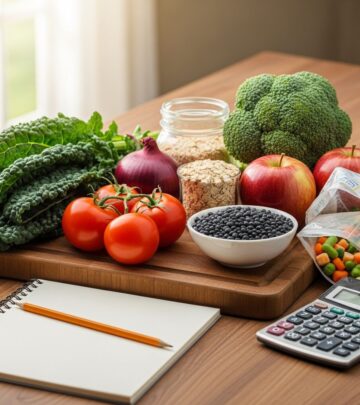
Best Money Tips: Eat Healthy During Holidays
Smart strategies to enjoy holiday feasts without overspending on food or compromising your health and waistline.
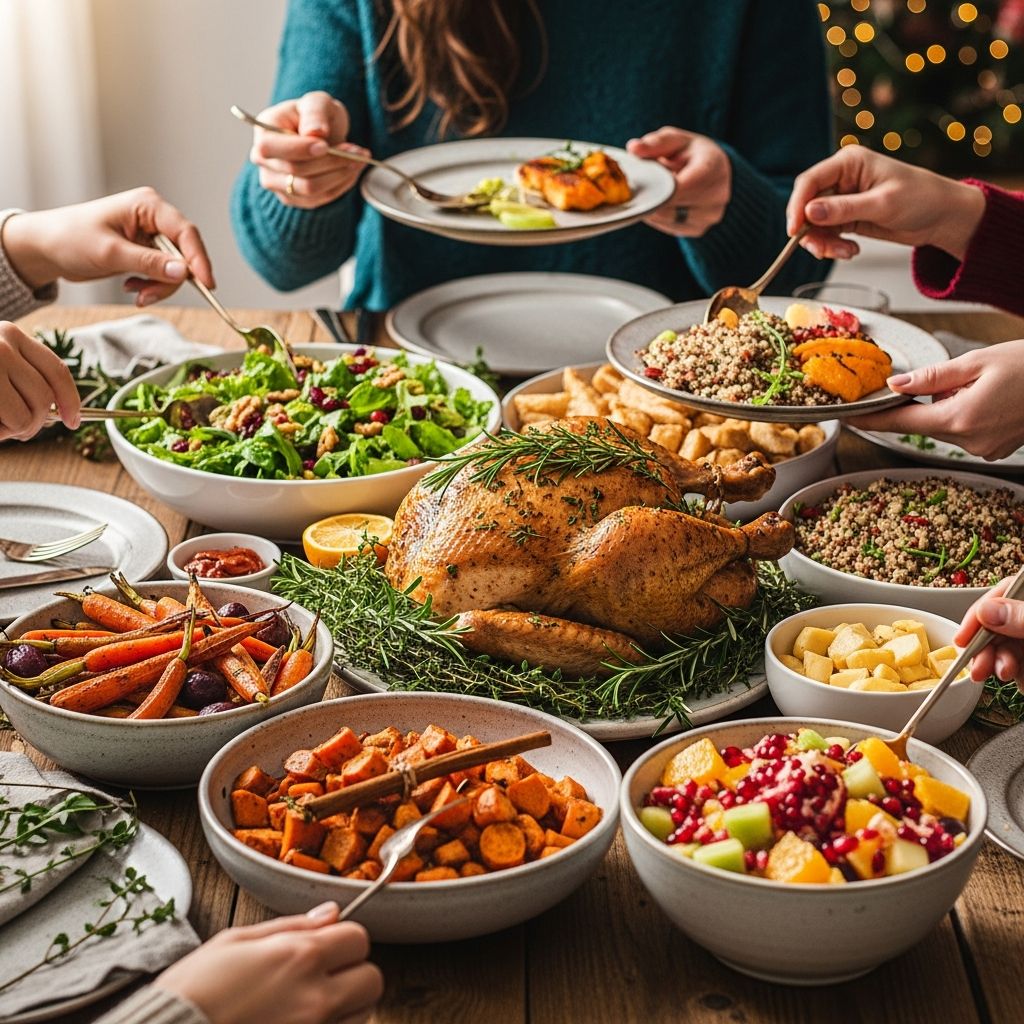
The holiday season brings joy, family gatherings, and tempting feasts, but it also challenges our wallets and waistlines. With rising food costs, learning to eat healthy without overspending is essential. This guide shares practical, frugal strategies to savor the holidays nutritiously and affordably, drawing from expert health advice adapted for budget-conscious consumers.
Plan Ahead: The Key to Frugal and Healthy Holidays
Planning is your first line of defense against impulse buys and unhealthy choices. Create a holiday meal calendar to map out breakfasts, lunches, dinners, and snacks for the entire season. This prevents last-minute takeout orders that drain your budget and pile on calories.
- Inventory your pantry: Use existing staples like rice, beans, canned vegetables, and spices to build meals, reducing waste and costs.
- Shop sales strategically: Compare flyers from multiple stores and stock up on non-perishables like frozen veggies, nuts, and oats during discounts.
- Batch cook: Prepare large pots of soups, stews, or casseroles with lean proteins and veggies. Freeze portions for quick, healthy meals amid holiday chaos.
By planning, you avoid the average $1,000+ Americans spend extra on holiday groceries. Focus on versatile ingredients: buy bulk oats for breakfasts, sweet potatoes for sides, and chicken for multiple dishes.
Smart Shopping: Stretch Your Holiday Budget
Holiday grocery bills can skyrocket, but savvy shopping keeps costs down while prioritizing nutrition. Aim for a plate that’s half vegetables, a quarter lean protein, and a quarter whole grains—affordable and filling.
| Budget Swap | Cost Savings | Health Benefit |
|---|---|---|
| Canned beans vs. fresh meat | 50% cheaper per serving | High fiber, plant protein |
| Frozen berries vs. fresh | 30-40% less | Nutrient-dense antioxidants |
| Bulk oats vs. cereal | 70% savings | Sustained energy, no added sugar |
Shop the perimeter of the store for fresh produce, then hit sales on frozen and canned goods. Use apps for coupons on healthy items like Greek yogurt or almonds. Avoid pre-cut produce or packaged snacks—they’re pricier and less nutritious.
Pro tip: Go meatless a few nights weekly. Lentils and chickpeas offer protein at a fraction of beef’s cost, aligning with health guidelines for heart health.
Portion Control: Enjoy More for Less
Portions are the silent budget buster. Overeating leads to waste and weight gain. Use smaller plates to trick your brain into satisfaction with less food.
- Start with veggies: Fill half your plate with salads or steamed greens first. This crowds out calorie-dense items and saves money on expensive mains.
- Protein priority: Next, add palm-sized lean meats, fish, or beans to stay full longer without excess.
- Carbs last: Sample breads or potatoes sparingly; they’re filling but cheap to stretch.
At parties, survey the buffet: load up on free veggie trays before treats. This strategy, recommended by dietitians, curbs overeating by 20-30%. Pack leftovers immediately to prevent grazing.
Healthy Swaps: Flavor Without the Fortune
Transform traditional dishes into nutritious, wallet-friendly versions. Swaps maintain taste while slashing calories and costs.
- Mashed cauliflower instead of potatoes: Half the calories, similar creaminess, cheaper in bulk.
- Greek yogurt for sour cream: Tangy, protein-packed, and versatile in dips or sauces.
- Baked apples with cinnamon vs. pie: Natural sweetness, no added sugar, uses in-season fruit on sale.
- Herbs and spices over butter: Flavor boosts without fat or expense.
These changes cut recipes by 25-50% in calories and cost. Roast veggies with olive oil spray for crispy, addictive sides that outshine fried options.
Don’t Skip Meals: Avoid Costly Cravings
Fasting to ‘save room’ backfires, leading to binges on pricey appetizers. Eat balanced meals: protein-rich breakfasts like yogurt parfaits kickstart metabolism and prevent snacking.
Pack portable snacks—apple slices with nut butter or carrot sticks—for shopping trips. This avoids drive-thru temptations, saving $10+ per outing.
Host Smart: Potlucks and Guest Preferences
Hosting? Poll guests on dietary needs to minimize waste. Suggest potlucks where everyone brings a healthy dish, ensuring options like salads amid roasts.
- Offer build-your-own: Taco bars with lean turkey, beans, and veggie toppings control portions and costs.
- Scale recipes: Cook for actual attendees, not inflated numbers.
This frugal approach cuts hosting costs by 40% while promoting health.
Move and Rest: Boost Wellness on a Dime
Activity burns calories without gym fees. Walk holiday lights, take stairs while shopping, or dance to festive tunes. Aim for 30 minutes daily.
Sleep 7-8 hours to regulate hunger hormones—free and vital during hectic times. Hydrate with water over sodas to curb appetite and save on drinks.
Recipe: Budget-Friendly Holiday Veggie Roast
Ingredients (serves 6, under $10): 2 lbs mixed root veggies (carrots, parsnips, sweet potatoes—buy on sale), 2 tbsp olive oil, herbs, salt.
- Chop veggies, toss with oil and seasonings.
- Roast at 400°F for 40 mins.
- Serve with lean protein for a complete, festive meal.
Per serving: 150 calories, high fiber, budget hero.
Frequently Asked Questions (FAQs)
Q: Can I still enjoy holiday treats on a budget?
A: Yes! Portion them small after veggies and protein. Share desserts to sample more without excess spending or calories.
Q: How do I shop healthy without overspending?
A: Stick to sales, bulk buys, and seasonal produce. Use frozen/canned for affordability and nutrition.
Q: What’s the best way to handle party buffets?
A: Survey first, plate veggies/protein, eat slowly away from the table to avoid grazing.
Q: Are meatless meals cheaper and healthy?
A: Absolutely—beans/lentils provide protein cheaply, reducing heart disease risk per health guidelines.
Q: How much can planning save during holidays?
A: Up to $500+ by avoiding waste, impulse buys, and eating out.
Final Thoughts
Eating healthy during holidays doesn’t require sacrifice—it’s about smart choices that save money and health. Implement these tips for a balanced, joyful season.
References
- Tips for Healthier Eating During the Holidays — UAB Medicine. 2023-12-01. https://www.uabmedicine.org/news/tips-for-healthier-eating-during-the-holidays/
- Healthy Eating During the Holidays: Tips, Balance and a Recipe to Try — Bayhealth. 2025-11-01. https://www.bayhealth.org/community-wellness/blog/2025/november/healthy-eating-during-the-holidays
- Holiday Nutrition Tips: Staying Well During the Holidays — WelbeHealth. 2024-11-15. https://welbehealth.com/holiday-nutrition-tips/
- Healthy Holiday Eating — University of Minnesota 10,000 Families Study. 2024-12-05. https://10kfs.umn.edu/node/781
- 13 Ways to Cut Costs on Holiday Feasts — Wise Bread. 2019-11-20. https://www.wisebread.com/13-ways-to-cut-costs-on-holiday-feasts
Similar Articles








Read full bio of Sneha Tete