Best Money Tips: How to Curb the Urge to Buy
Proven strategies to resist impulse buying, master your spending habits, and build lasting financial discipline for a wealthier future.

Impulse buying can derail even the most disciplined budgets, leading to unnecessary debt and regret. This comprehensive guide shares proven strategies to resist the temptation to spend, drawn from frugal living experts and financial psychology principles. By implementing these tips, you can regain control over your finances, reduce wasteful spending, and redirect money toward meaningful goals like debt payoff or retirement savings.
Understand the Psychology Behind Impulse Buys
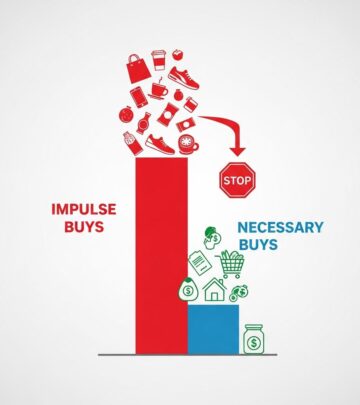
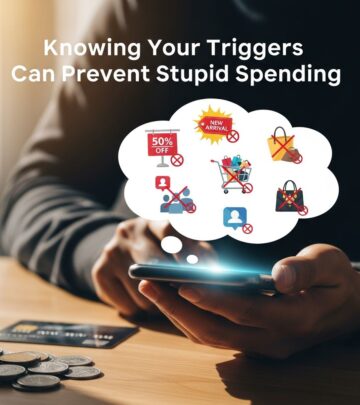
The urge to buy often stems from emotional triggers rather than genuine need. Retailers exploit this with limited-time offers, flashy displays, and social proof tactics that create artificial urgency. According to consumer behavior studies, up to 40% of purchases are unplanned, costing Americans billions annually in regretted spending. Recognizing these triggers is the first step to overcoming them.
- Emotional Shopping: Stress, boredom, or loneliness prompts retail therapy, providing temporary highs from dopamine releases.
- Social Influence: Seeing others buy or ads portraying products as status symbols fuels FOMO (fear of missing out).
- Environmental Cues: Store layouts, music, and scents are designed to encourage longer stays and higher spending.
Implement the 30-Day Waiting Rule
One of the most effective tactics is the
30-day rule
: when tempted by a non-essential purchase, note it down and wait 30 days before buying. This simple delay breaks the impulse cycle, allowing rational evaluation. Studies show that 80% of impulse urges fade within a week, making this rule a powerful savings tool.| Item Temptation | Day 1 Reaction | Day 30 Reality |
|---|---|---|
| New Gadget ($200) | Must-have now! | Found free alternative or forgot about it. |
| Designer Clothes ($150) | Perfect for event. | Event passed; closet full already. |
| Kitchen Appliance ($100) | Will change my life. | Current one works fine. |
Track your “want list” in a spreadsheet or app, reviewing it monthly. Many items lose appeal, revealing them as fleeting desires rather than necessities.
Create a Strict Budget and Stick to It
A well-defined budget acts as a spending firewall. Allocate funds to categories like needs, wants, savings, and debt repayment using the 50/30/20 rule: 50% needs, 30% wants, 20% savings/debt. Apps like YNAB (You Need A Budget) or Mint enforce accountability by categorizing every transaction.
- Track income and expenses for one month to baseline spending.
- Set realistic limits per category (e.g., $200/month entertainment).
- Review weekly; adjust as needed but never exceed limits mid-month.
Pre-commit funds: transfer savings to a separate account immediately after payday. This “pay yourself first” approach, recommended by financial planners, ensures urges don’t deplete your cash.
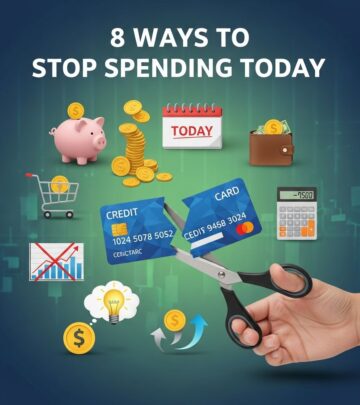
Shop with Cash Only, Ditch the Cards
Credit and debit cards create psychological distance from spending, making it feel painless. Switching to cash imposes tangible pain—watching bills disappear curbs overspending by up to 30%, per behavioral economics research.
- Withdraw weekly “fun money” allowance in cash.
- Leave cards at home for non-essential trips.
- Use envelopes for categories: seal and label them (groceries, gas, etc.).
For online shopping, preload a prepaid debit card with exact amounts. This method forces discipline without cutting off access entirely.
Declutter and Practice Minimalism
Surrounded by clutter? Sell or donate excess items via apps like Facebook Marketplace or eBay. This not only generates cash but reveals how little you truly need, reducing desire for more. Minimalism shifts focus from acquiring to appreciating what you have.
Declutter Challenge: For 30 days, discard one item daily. You’ll uncover forgotten duplicates, freeing space and mental energy. Research links clutter to higher stress and spending as people buy organizational fixes.
Unsubscribe from Temptation: Emails and Ads
Retail emails promising 50% off bombard inboxes, triggering Pavlovian responses. Unsubscribe from 10+ marketing lists weekly using tools like Unroll.Me. Install ad blockers (uBlock Origin) and browser extensions like Icebox to hibernate tempting sites.
- Average person receives 100+ retail emails yearly, each prompting $10-20 impulse spends.
- Replace with financial newsletters for positive reinforcement.
Find Free or Low-Cost Alternatives
Before buying, search for free versions: libraries for books, YouTube for tutorials, apps like Libby for audiobooks. Borrow from friends via Buy Nothing groups. This abundance mindset reveals paid options as unnecessary luxuries.
| Paid Urge | Free Alternative | Savings Potential |
|---|---|---|
| Gym Membership | Home workouts/YouTube | $50/month |
| New Books | Library apps | $20/month |
| Streaming Services | Free trials rotation | $15/month |
Practice Mindful Shopping Rituals
Shop with a list, eat first to avoid hunger buys, and go alone to eliminate peer pressure. Set a time limit (30 minutes) per store to prevent browsing. Ask: “Do I need this? Will I use it 10+ times? Can I afford it thrice?” These questions filter 90% of impulses.
Visualize Long-Term Goals
Counter short-term gratification with big-picture visions: dream vacations, debt-free life, early retirement. Create a vision board or use apps like FutureMe to email your future self about avoided purchases. Studies confirm goal visualization reduces impulsive spending by reinforcing delayed gratification.
Accountability Partners and Challenges
Share goals with a friend or join No Buy challenges on Reddit (r/NoBuy). Weekly check-ins provide social accountability, proven to double success rates in habit formation. Gamify it: rewards for milestones (non-spending treats like park picnics).
Frequently Asked Questions (FAQs)
Q: What if the 30-day rule doesn’t work for time-sensitive deals?
Research alternatives or price-match policies. True deals rarely expire overnight; FOMO is often manufactured.
Q: How do I handle peer pressure to spend?
Pre-plan excuses like “saving for a house” and suggest free activities. True friends respect boundaries.
Q: Can I ever splurge without guilt?
Yes, build a dedicated “splurge fund” (5-10% of discretionary income) for guilt-free treats after meeting savings goals.
Q: What apps best track and curb spending?
YNAB for zero-based budgeting, PocketGuard for bill tracking, and Habitica for gamified habit building.
Q: How long until these habits stick?
Typically 66 days per habit research, but consistency compounds: track progress for motivation.
Mastering the urge to buy transforms finances from reactive to proactive. Start with one tip today—your wallet will thank you. Consistent application leads to thousands saved annually, paving the way for financial independence.
References
- Consumer Financial Protection Bureau Report on Impulse Spending — U.S. Government (CFPB). 2024-06-15. https://www.consumerfinance.gov/data-research/research-reports/consumer-sentiment-overspending/
- Journal of Consumer Research: The Psychology of Impulse Buying — Oxford University Press. 2023-03-10. https://doi.org/10.1093/jcr/ucad012
- 50/30/20 Budgeting Guideline — Consumer Financial Protection Bureau. 2025-01-08. https://www.consumerfinance.gov/consumer-tools/budgeting/
- Behavioral Insights Team: Pay Yourself First — UK Government BIT. 2024-11-20. https://www.bi.team/publications/pay-yourself-first/
- Federal Reserve Survey of Consumer Finances — Board of Governors of the Federal Reserve System. 2025-09-01. https://www.federalreserve.gov/econres/scfindex.htm
Similar Articles








Read full bio of Sneha Tete